
Sir David Attenborough’s 100th birthday has inspired an outpouring of admiration and celebration from across the United Kingdom and around the world. Royals, actors, environmentalists, musicians, broadcasters, and millions of viewers have united to honor the legendary natural historian whose voice and documentaries have shaped generations’ understanding of the natural world.

The King and Queen wished him a joyful birthday and encouraged him to enjoy the celebrations planned in his honor. Their tribute reflected the affection and respect Attenborough has earned throughout decades of public service, education, and environmental advocacy.
Sir David responded emotionally to the flood of birthday messages, saying he felt “completely overwhelmed” by the kindness shown toward him. Although unable to answer every message personally, he expressed sincere gratitude to everyone who had sent their wishes and to those organizing local celebrations around the world. Even at 100 years old, Attenborough continues to inspire people across generations with his warmth, curiosity, and dedication to protecting Earth’s wildlife.
One of the central events marking the occasion is a grand concert at London’s Royal Albert Hall. The special celebration, broadcast on BBC One and iPlayer, serves as the climax of a week filled with documentaries, tributes, and programming dedicated to Attenborough’s extraordinary career. Hosted by presenter Kirsty Young, the 90-minute event honors both his life and his immense contribution to broadcasting and conservation.
Prince William also shared a touching message through the Earthshot Prize organization, praising Attenborough for his lifelong commitment to environmental awareness. The Prince of Wales thanked him for decades of support and described his work as a continuing source of inspiration. William emphasized how Attenborough’s storytelling has encouraged people around the world to care more deeply about the future of the planet.
Meanwhile, Prince Harry, the Duke of Sussex, offered his own tribute in an article published by Time magazine. He described Attenborough as a “secular saint,” praising his ability to make climate change feel immediate and personal rather than distant or abstract. Harry noted that young people continue to trust and listen to Attenborough because he provides not only knowledge about nature but also a sense of stability and continuity during uncertain times.
Celebrities from many different fields joined the celebration. Former England football captain David Beckham called Attenborough “our national treasure,” while actress and activist Joanna Lumley created a cheerful birthday video featuring residents of Stroud in Gloucestershire singing and sending greetings. Naturalist and television presenter Chris Packham wrote that no person in history had done more to inspire humanity’s love for life on Earth.
The World Wide Fund for Nature also produced a moving tribute video featuring voices from famous actors and public figures including Dame Judi Dench, Morgan Freeman, Miranda Richardson, Asa Butterfield, Sam Heughan, Iwan Rheon, Geri Halliwell-Horner, and wildlife presenter Liz Bonnin. The video used Louis Armstrong’s classic song What a Wonderful World alongside breathtaking footage of animals and landscapes from across the globe.
Oscar-winning composer Hans Zimmer reflected on his collaborations with Attenborough and stated that despite all his success in Hollywood, nothing felt more important than working on projects connected to protecting the planet. Zimmer suggested that Attenborough’s documentaries carry a significance beyond entertainment because they help humanity understand what is at stake environmentally.
Actor Sir Ian McKellen praised Attenborough as a symbol of the BBC at its very best. He highlighted the broadcaster’s ability to create intelligent, serious programming that still appealed to mass audiences. McKellen said Attenborough’s enthusiasm and wonder had brought joy to millions of people while also encouraging viewers to appreciate the beauty of wildlife and natural history.
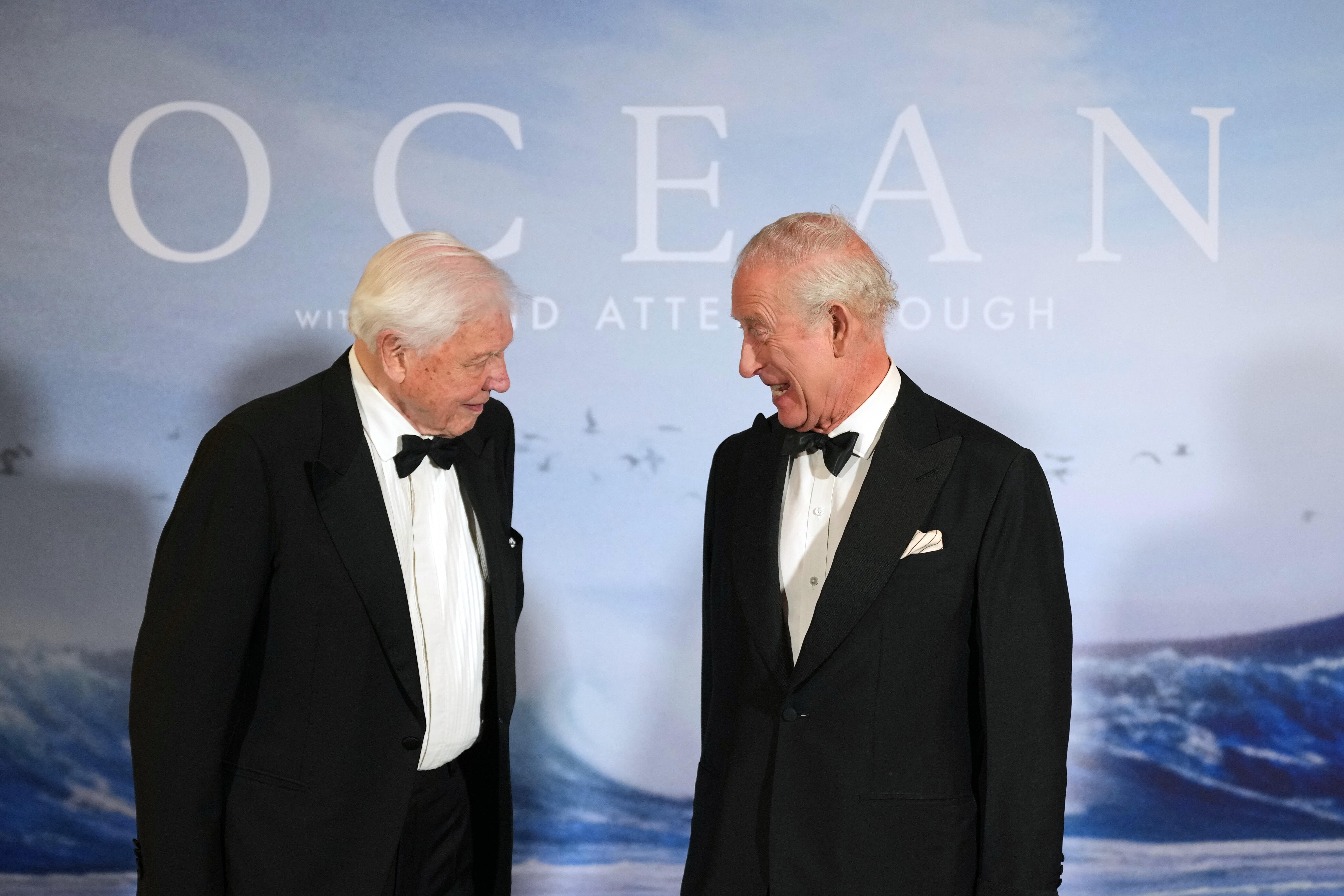 The Royal Albert Hall concert includes appearances by several prominent guests such as Sir Michael Palin, Steve Backshall, Liz Bonnin, and Chris Packham. Together, they reflect on Attenborough’s influence, career milestones, and enduring legacy. The evening also revisits some of the most iconic wildlife sequences ever filmed for television.
The BBC Concert Orchestra performs music connected to Attenborough’s documentaries, including memorable themes from Planet Earth II and Frozen Planet II. Audiences can relive unforgettable scenes such as the dramatic chase between snakes and iguanas or the powerful footage of orcas battling ocean waves.
Music is another major part of the celebration. Dan Smith, lead singer of Bastille, joins the orchestra for a performance of the band’s hit song Pompeii, famously featured in Planet Earth III. Icelandic group Sigur Rós performs Hoppípolla, a song closely associated with promotions for Planet Earth and Planet Earth II. Additional performers include singer Sienna Spiro and harpist Francisco Yglesia.
The BBC has dedicated an entire week of programming to celebrate Attenborough’s centenary. Recent broadcasts revisited the making of the groundbreaking 1979 series Life on Earth, which revolutionized natural history television and became one of the most influential documentaries ever produced. Another series, Secret Garden, explored hidden wildlife living in ordinary British gardens, once again demonstrating Attenborough’s gift for revealing wonder in unexpected places.
Kate Phillips, the BBC’s chief content officer, described Attenborough’s 100th birthday as an “extraordinary” moment and called him a truly remarkable individual. Few broadcasters have had such a lasting impact not only on television but also on science communication and environmental awareness worldwide.
Born in west London on May 8, 1926, Attenborough joined the BBC in 1952 and gradually transformed natural history filmmaking. Over the decades, he became famous for landmark productions including The Blue Planet, The Trials of Life, and the celebrated Life Collection. His calm narration, scientific curiosity, and passion for conservation turned him into one of the most respected figures in global media.
Beyond his professional achievements, Attenborough’s personal life has also shaped public affection for him. He had two children with his wife Jane, who passed away in 1997. His older brother, Richard Attenborough, was the Oscar-winning actor and director best known for films such as Gandhi and Jurassic Park.

At 100 years old, Sir David Attenborough remains one of the most admired and influential voices on Earth. His documentaries have transformed how humanity sees nature, climate change, and its own responsibility toward the planet. More than just a broadcaster, he has become a global symbol of wisdom, curiosity, and hope for the future of the natural world.


