
Scott Mitchell, the widower of beloved EastEnders star Barbara Windsor, has shared the profoundly emotional moment when he had to make the heart-wrenching decision to place his wife into a care home — and reflected on the hardest lessons he learned while caring for her over four years.
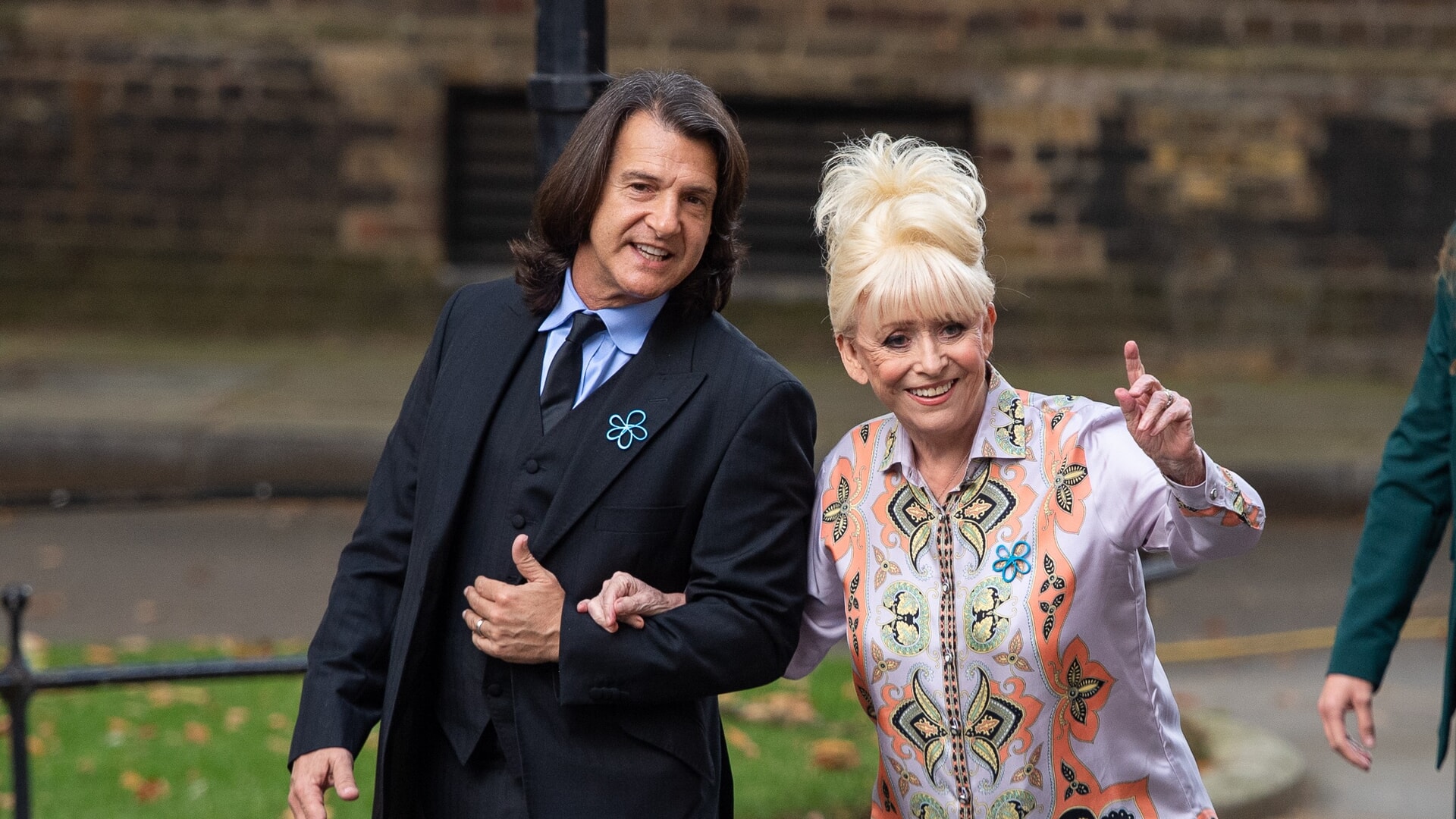 The 63-year-old, who married the soap legend in 2000, spoke candidly during an appearance on Natalie Cassidy: Caring Together, a BBC programme following actress Natalie Cassidy as she trains to be a carer. The episode focused on dementia care, a topic Scott knows all too well, having been Barbara’s primary caregiver from her diagnosis in 2014 until she passed away in December 2020.
Barbara, famed for her iconic role as Peggy Mitchell on EastEnders from 1994 to 2016, kept her Alzheimer’s diagnosis private until 2018, even as the disease slowly altered her life and her remarkable career. Scott spoke about his early experiences navigating the challenges of dementia care and the emotional toll it took on both him and his wife.
“I knew hardly anything about what was about to come with dementia. I had no idea it would affect her mobility, or how much it would change every aspect of our daily lives,” Scott said.
He described the sudden shift in their relationship as he transitioned from husband to full-time carer. Tasks that had once been routine for Barbara — such as choosing an outfit, preparing meals, or managing her day-to-day activities — became moments of frustration and fear for Scott, who initially found it hard to adjust to the reality of the disease.
“You do literally have to learn on the job,” he explained. “At first, when Barbara said something that didn’t make sense, I’d argue or contradict her. It took me time to realise that the right approach was to go with her reality, to accept and support her world rather than challenge it. I learned that my irritability came from fear — fear of what was happening to the woman I loved.”
Scott recounted a particularly poignant memory: Barbara, once confident and independent, called from upstairs crying because she couldn’t decide what to wear.
“She had done this all her life,” he said. “To see her struggle with something so simple broke my heart.”
It was four years before Scott sought professional help, after initially managing everything himself.
“I was her primary carer for the first four years. You want to do everything for your loved one; it feels like your responsibility,” he said. “But there comes a point where you have to accept that you can’t do it alone.”
The most devastating moment came when he was advised to place Barbara in a care home.
“The hardest thing I ever had to do was let Barbara go into a care home. Her neurologist told me, ‘Scott, you’ve taken this as far as you possibly can.’ It felt like a dagger through my heart,” he recalled. “How could I let her go, to be with strangers, after sharing nearly 27 years together in our home?”
Despite the emotional strain, Scott described caring for Barbara as a profound privilege.
“Caring for Barbara was most likely the biggest privilege of my life, but also possibly one of the hardest things I have ever done,” he said.
Natalie Cassidy’s Learning Experience
Natalie Cassidy, reflecting on the experience for the camera, admitted that her own exposure to dementia was limited prior to the series.
“Today is the day I’m most worried about, because it’s dementia day. It’s such a cruel, cruel disease,” she said. “I haven’t personally experienced dementia in my family yet, but seeing how it affected Barbara makes me realise the real impact.”
During the episode, Natalie participated in a simulated dementia experience. She wore spiky insoles, oversized gloves, heavy headphones, and sunglasses to mimic the sensory confusion and challenges people with dementia face daily.
“The noise on the headphones was overwhelming, like tuning into a distorted radio with voices on top of it. It was frightening,” Natalie said. “I kept thinking, this is like a nightmare. I hope I never have to experience it again.”
After the simulation, she reflected on Barbara’s struggles.
“To think that this is what Barbara was going through every day was heartbreaking,” Natalie added.
Dementia Awareness and Advocacy
Michelle Dyson CB, CEO of the Alzheimer’s Society, emphasised the importance of programmes like Caring Together in educating the public about dementia.
“One in three people born in the UK today will go on to develop dementia in their lifetime, yet many misconceptions remain. Dementia is not just memory loss; it affects cognition, behaviour, sensory perception, and emotional wellbeing,” she said.
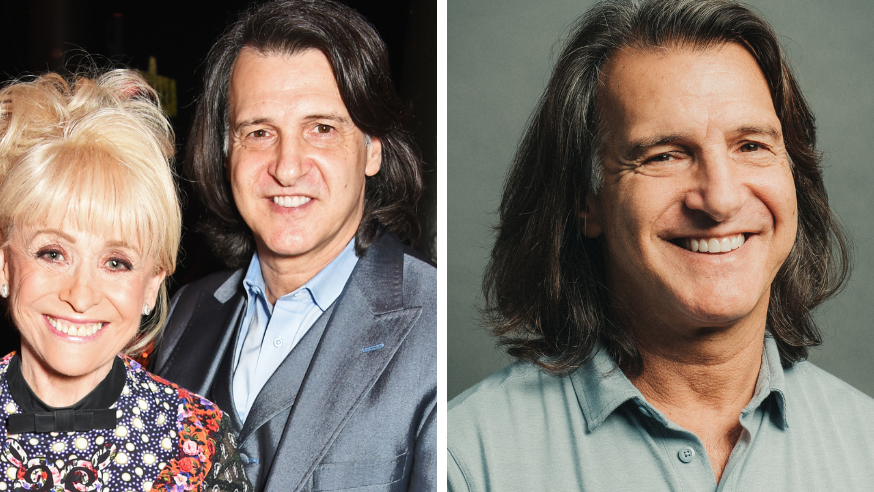 Dyson highlighted the challenges families face in navigating care systems, often encountering a lack of support, limited training for carers, and complex bureaucracy.
“Families and professional carers alike struggle with understanding what support they are entitled to, and the system can feel ineffective and isolating. We urge anyone affected to seek help and use resources such as the Dementia Support Line on 0333 150 3456,” she added.
The charity also stresses the need for trained, compassionate carers to meet the growing demand. With dementia expected to affect more than 1.4 million people in the UK by 2040, raising awareness and understanding is crucial.
Personal Reflections from Scott Mitchell
Scott has remained vocal about his ongoing emotional journey following Barbara’s death. In December, he admitted that approaching the five-year anniversary of her passing was particularly emotional.
“This milestone has hit me hard. I can’t believe it has been five years. People continue to approach me to share their memories of Barbara, which is both touching and bittersweet,” he said.
He continues to honour Barbara’s legacy through his advocacy work in dementia awareness.
“Barbara’s name still carries weight in the world of dementia care, and I’m proud that our experiences can help raise awareness,” Scott added.
Reflecting on the challenges of her illness, he recalled witnessing Barbara’s decline with pain and helplessness.
“Barbara was incredibly vibrant, highly intelligent, and had a wonderful memory. To see her slowly taken away by this cruel, horrible disease was devastating,” he said.
Understanding Dementia
Dementia is an umbrella term for a range of progressive neurological conditions that impair memory, thinking, and other cognitive functions. Alzheimer’s disease is the most common form, but some individuals experience mixed types of dementia.
The Alzheimer’s Society reports over one million people live with dementia in the UK today, with more than 500,000 diagnosed with Alzheimer’s. The number of cases is expected to rise sharply over the coming decades as the population ages.
Currently, there is no cure, though treatments and medications can slow progression, improve quality of life, and help manage symptoms when diagnosed early.
 Scott’s reflections serve not only as a tribute to Barbara but also as a reminder of the importance of awareness, support, and compassion in caring for loved ones facing dementia.
“Caring for Barbara was the hardest thing I’ve ever done, but also the most rewarding. Every day, I learned patience, empathy, and the need to embrace each moment,” Scott concluded.
Through his openness, Scott hopes to encourage others in similar situations to seek help, to cherish time with loved ones, and to advocate for better care and understanding for all those affected by this life-changing condition.


