
Richard Madeley has found himself at the centre of a heated television row after viewers accused him of sounding too sympathetic towards inmates while visiting one of the most feared prisons on Earth.
The former This Morning presenter travelled to El Salvador for his Channel 5 documentary Inside the World’s Mega Prison, stepping inside the notorious Centro de Confinamiento del Terrorismo — better known as CECOT.
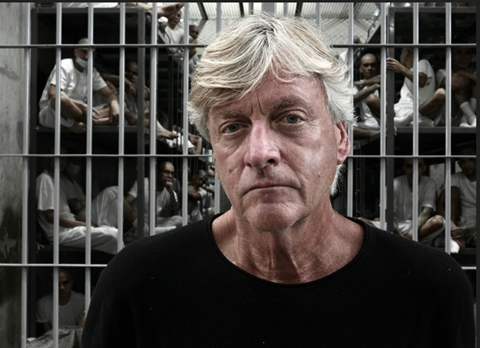
The vast maximum-security prison has become infamous around the world for its brutal-looking conditions, strict rules and enormous population of gang members and violent criminals. Many of the men held there are expected to spend the rest of their lives behind bars.
But while the prison itself was meant to be the focus of the documentary, it was Richard’s reaction that quickly became one of the biggest talking points. ⚡
During the programme, the 70-year-old broadcaster appeared visibly shaken as he walked through the facility and saw rows of heavily tattooed inmates packed into huge cells. The prisoners were shown sleeping on stacked metal bunks without mattresses, living under constant lights, and possessing very few personal items.
For Richard, the reality of what he was seeing appeared to hit hard.
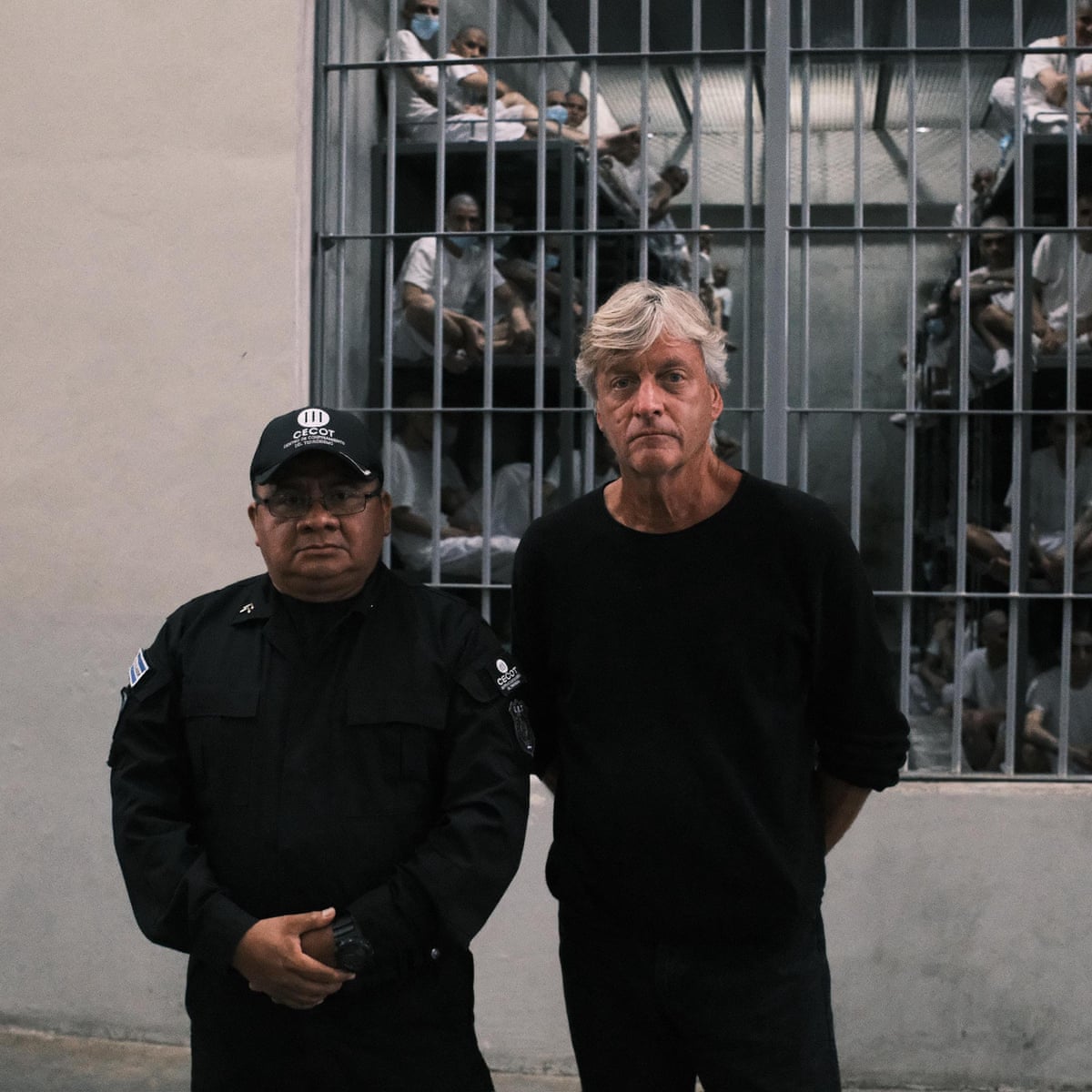
He admitted the experience had been “more of a shock” than he had expected, and described the sight of the prisoners as deeply troubling.
“Whatever the reason these men are here, we accept they are very dangerous criminals,” he said. “This is a terrible sight. It plucks at the heart.”
Those words divided viewers almost immediately.
Some felt Richard was simply reacting as any human being might when confronted by extreme conditions. Others, however, accused him of showing too much compassion towards men who had been imprisoned under El Salvador’s uncompromising crackdown on violent gangs.

As the documentary aired, social media lit up with criticism. One viewer compared Richard to Steve Coogan’s fictional broadcaster Alan Partridge, calling the moment “painful.” Another questioned why he appeared to feel sorry for “monsters,” while a third argued that he might have reacted differently if one of his own loved ones had been affected by the crimes linked to such inmates.
The backlash was sharp — and very personal. 💥
For many watching at home, the prison represented punishment, protection and justice after years of gang violence. They did not want sympathy. They wanted accountability.
But Richard’s documentary raised a more uncomfortable question: how far should a society go when punishing the most dangerous criminals?
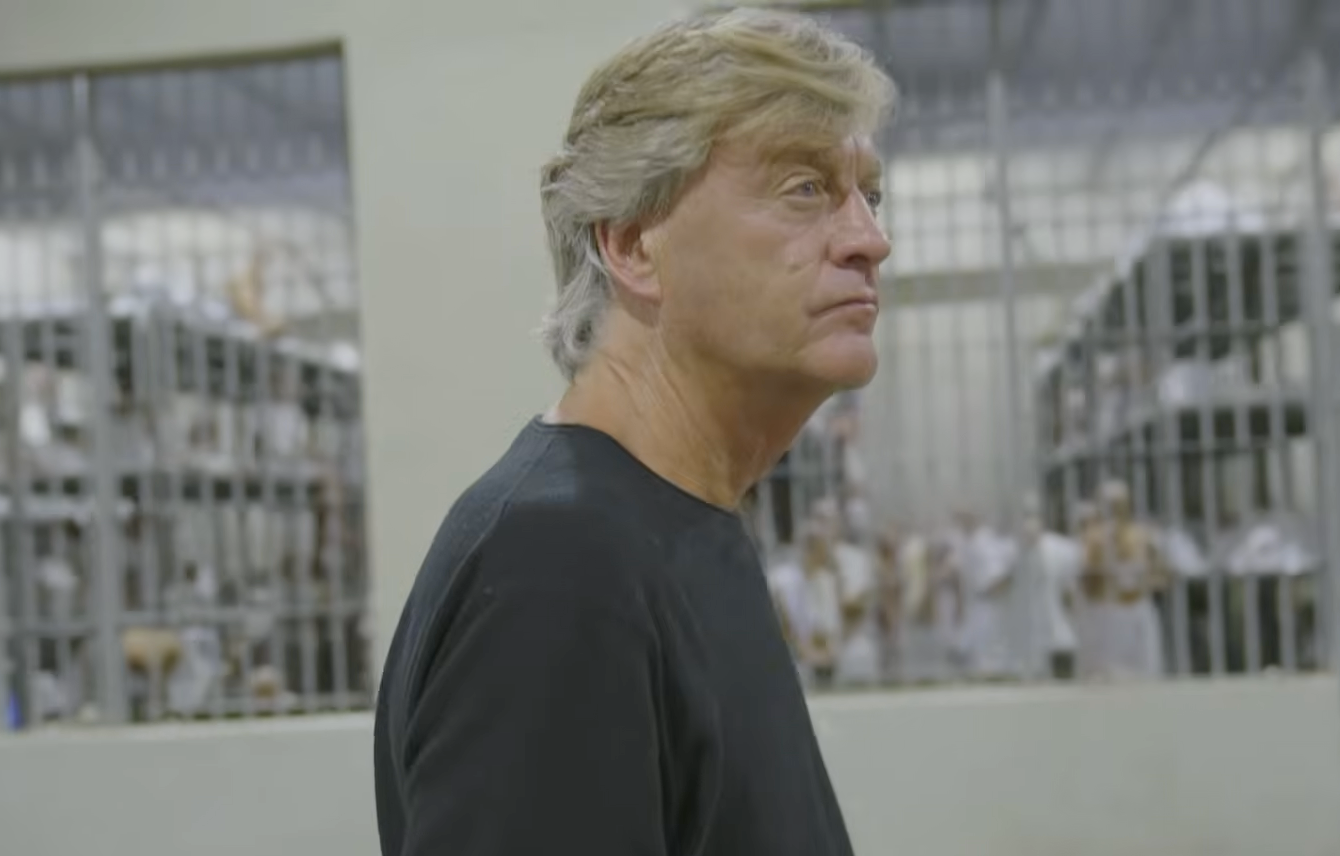
Inside CECOT, Richard questioned prison officers about the harsh regime. He asked whether such strict treatment was truly necessary and pointed out that many prisoners would likely die inside the facility. He also suggested some viewers might see the conditions as cruel.
Prison staff defended the system, insisting inmates still received food, healthcare and access to legal support. They argued that the prison was designed to hold dangerous men securely and prevent them from continuing to control criminal networks from behind bars.
The contrast made for tense viewing.
On one side was Richard, visibly unsettled by what he had witnessed.
On the other was a system built on absolute discipline, fear and control. 👀
The presenter later admitted he had “never seen anything like this” during his long television career. Given the scale and intensity of the prison, that reaction was hardly surprising. CECOT is not designed to look comfortable. It is designed to send a message.
And that message is terrifyingly clear.
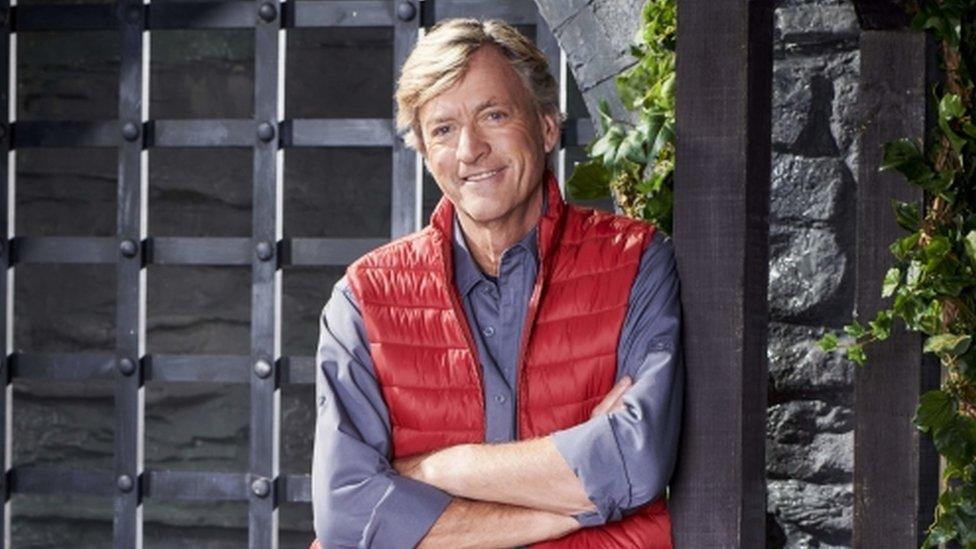
For supporters of El Salvador’s hardline approach, the prison is proof that the country is fighting back against violent crime. For critics, it raises disturbing questions about human rights, due process and the emotional cost of locking thousands of people away in such severe conditions.
Richard found himself caught in the middle of that debate.
His critics saw his reaction as soft, awkward and out of touch. His defenders may argue that he was doing what a documentary presenter should do — observing, questioning and acknowledging the uncomfortable humanity of a brutal system, even while recognising the seriousness of the crimes involved.
That tension is what made the programme so gripping.

It was not just about prison walls, metal bunks and armed guards. It was about whether viewers could look at some of the world’s most feared inmates and still feel discomfort at the conditions in which they are held.
For Richard Madeley, the trip to CECOT was clearly unforgettable.
For viewers, his reaction was unforgettable too — though not always for the reasons he may have hoped.
And as the “Alan Partridge” comparisons spread online, one thing became clear: this was never going to be a quiet documentary.
It was shocking, uncomfortable and fiercely divisive — exactly the kind of television that leaves Britain arguing long after the credits roll. 📺🔥


