
Nadia Sawalha, the 61-year-old actress and television presenter best known for her long-standing role on Loose Women, is at the centre of a growing controversy. Leading figures in the entertainment industry have publicly called on ITV to ban her from appearing on the channel, following accusations that she has shared antisemitic content online.
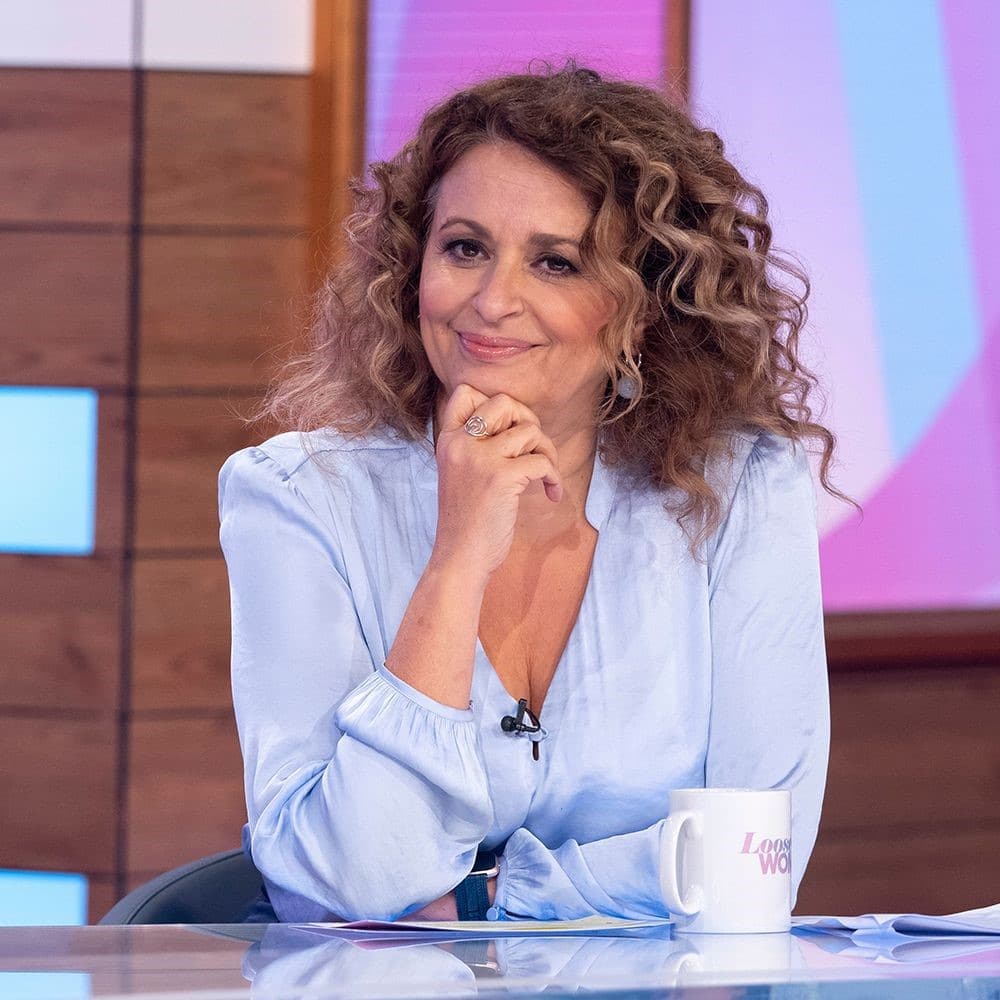 The debate escalated after Sawalha stepped down from the Loose Women panel last month amid a storm of criticism. The actress had publicly defended her husband, Mark Adderley, after he faced scrutiny for anti-Israel remarks, and she herself posted a series of videos on Instagram described by critics as “unhinged.”
Although she has not returned to the ITV daytime show since April, reports indicate that channel executives are reportedly considering reinstating her in the coming weeks — a move that has prompted some of the UK’s most prominent Jewish figures to intervene.
A Unified Industry Response
In a letter spanning 15 pages, signatories including former ITV executive Claudia Rosencrantz, ex-BBC Director Danny Cohen, and Fulwell Entertainment co-CEO Leo Pearlman laid out their concerns. They warned that Sawalha’s return could cause significant reputational harm to ITV and undermine the public trust expected of a mainstream daytime television presenter.
“Nadia Sawalha has been posting repeated examples of conspiratorial rhetoric, inflammatory commentary, disinformation, and antisemitic discourse,” the letter reads. “This behaviour goes far beyond legitimate criticism of government policy or debate surrounding the conflict in Gaza. It is an endorsement and amplification of antisemitic conspiracy narratives.”
The letter also referenced the nature of her online interactions, alleging that she had engaged in conduct widely interpreted as threatening, hostile, or dismissive toward Jewish people. ITV executives named in the correspondence include Dame Carolyn McCall, Kevin Lygo, and Andrew Cosslett.
“Given the indisputable fact that Britain’s Jewish community is now the target of more hate crimes per capita than any other minority group, we expect ITV will welcome the opportunity to address these serious concerns,” the signatories continued.
Accusations Against Sawalha and Adderley
The controversy extends beyond Sawalha herself. Her husband, Mark Adderley, recently faced suspension from the Green Party after making a social media comparison between Israel and Nazi Germany. Sawalha publicly defended him, calling him “the most decent kind, super smart man with the hugest of hearts.”
Together, the couple have appeared in videos online suggesting “Israeli false flag” operations were behind incidents such as the assassination of American conservative commentator Charlie Kirk and a missile strike on a British base in Cyprus. Critics argue that these videos indicate extremist sympathies and have used them as evidence in the formal appeal to ITV.
“It is no longer sufficient to ignore these posts as private opinions,” the letter warns. “Her continued presence on a light-hearted daytime panel is incompatible with the standards of judgment, responsibility, sensitivity, and public trust expected of a mainstream television presenter.”
Public Reaction and Advocacy
The campaign to hold Sawalha accountable has been amplified by advocacy groups, including Labour Against Antisemitism. Alex Hearn, a spokesperson for the organisation, told the Daily Mail last month:
“Nadia Sawalha has been posting vile, unhinged rants online for some time now. It is time ITV took action against her.”
Hearn’s statement reflects broader concern within the entertainment industry and the Jewish community, who fear that allowing Sawalha back on air without consequence could normalize extremist commentary.
The formal letter, signed by an array of industry insiders, highlights reputational risks to ITV and underscores the responsibility broadcasters have in regulating the online behaviour of public figures representing their brand.
 Sawalha’s Track Record and ITV Role
Sawalha has been a familiar face on British television for decades, first gaining prominence as a contestant on Celebrity Squares in the 1980s before establishing herself as a co-host on Loose Women. Her approachable on-screen persona has long been a hallmark of the show, where she has discussed everything from family life to health and lifestyle issues.
Despite her experience, critics argue that her recent online conduct demonstrates a disregard for the ethical standards expected of a presenter on a national platform. The signatories contend that her behavior, particularly the defence of inflammatory social media posts, contradicts the professional responsibility that comes with representing ITV.
“Repeated promotion, legitimisation, and endorsement of antisemitic conspiracy narratives cannot be excused as casual commentary,” the letter notes.
The group also highlights concerns that Sawalha has mocked or trivialized allegations of antisemitism, further exacerbating the public’s unease over her potential return.
The Channel’s Dilemma
ITV now faces a complex decision. On one hand, Sawalha is a seasoned presenter with a loyal fan base; on the other, the backlash from high-profile industry figures and the Jewish community presents serious reputational risks. The network is understood to be weighing the potential consequences carefully, especially in light of increasing scrutiny over media representation and online conduct.
An ITV spokesperson has not provided a comment at this stage, but insiders indicate that discussions over Sawalha’s status on Loose Women are ongoing. The network’s response will be closely watched, not only by her fans but by industry observers and advocacy groups.
The Wider Context
The Sawalha controversy occurs against a backdrop of heightened awareness around social media responsibility, antisemitism, and hate speech. Broadcasters are under pressure to ensure that their platforms are not used to amplify harmful rhetoric, and the entertainment industry is increasingly held accountable for the actions of its personalities both on and off camera.
In recent years, other celebrities and public figures have faced similar scrutiny, with social media activity sometimes resulting in suspension, fines, or removal from high-profile roles. The case of Nadia Sawalha underscores the delicate balance between freedom of expression and the duty of care that networks have toward their audiences and the communities they represent.
Next Steps
At present, Sawalha has not publicly responded to the letter or the growing calls for her removal. ITV’s decision will likely consider factors such as public sentiment, legal implications, and the potential impact on Loose Women’s viewership.
 Meanwhile, the Jewish community and concerned industry professionals continue to apply pressure, framing the issue as a matter of ethical responsibility and social accountability.
Whether Sawalha will return to ITV or face a more permanent ban remains uncertain. However, the situation highlights the broader debate over the influence of social media on mainstream broadcasting and the responsibilities of public figures who hold a platform.
“This is about the standards we expect from those we invite into our homes through television,” the letter states. “It is about protecting the public from being exposed to rhetoric that promotes hate and division.”
As ITV deliberates, the eyes of the public, media, and advocacy groups remain fixed on Sawalha, her husband, and the network’s next move. The outcome may set a precedent for how broadcasters handle allegations of online extremism among their on-air talent, potentially reshaping industry standards for years to come.


