
The 20th series of Britain’s Got Talent (BGT) has just wrapped, and the aftershocks of its season finale continue to dominate social media feeds across the UK. While the show has celebrated astonishing acts, breathtaking performances, and emotional moments, one story has arguably overshadowed the contestants themselves: the polarizing debut of KSI as a full-time judge.
 The YouTube star and influencer, best known for his digital content, music, and boxing ventures, officially joined the judging panel this year, taking over from former judge Bruno Tonioli. Alongside long-standing panelists Simon Cowell, Amanda Holden, and Alesha Dixon, KSI brought a fresh energy to the table—but his presence has sparked a storm of mixed reactions from audiences.
Social Media Backlash
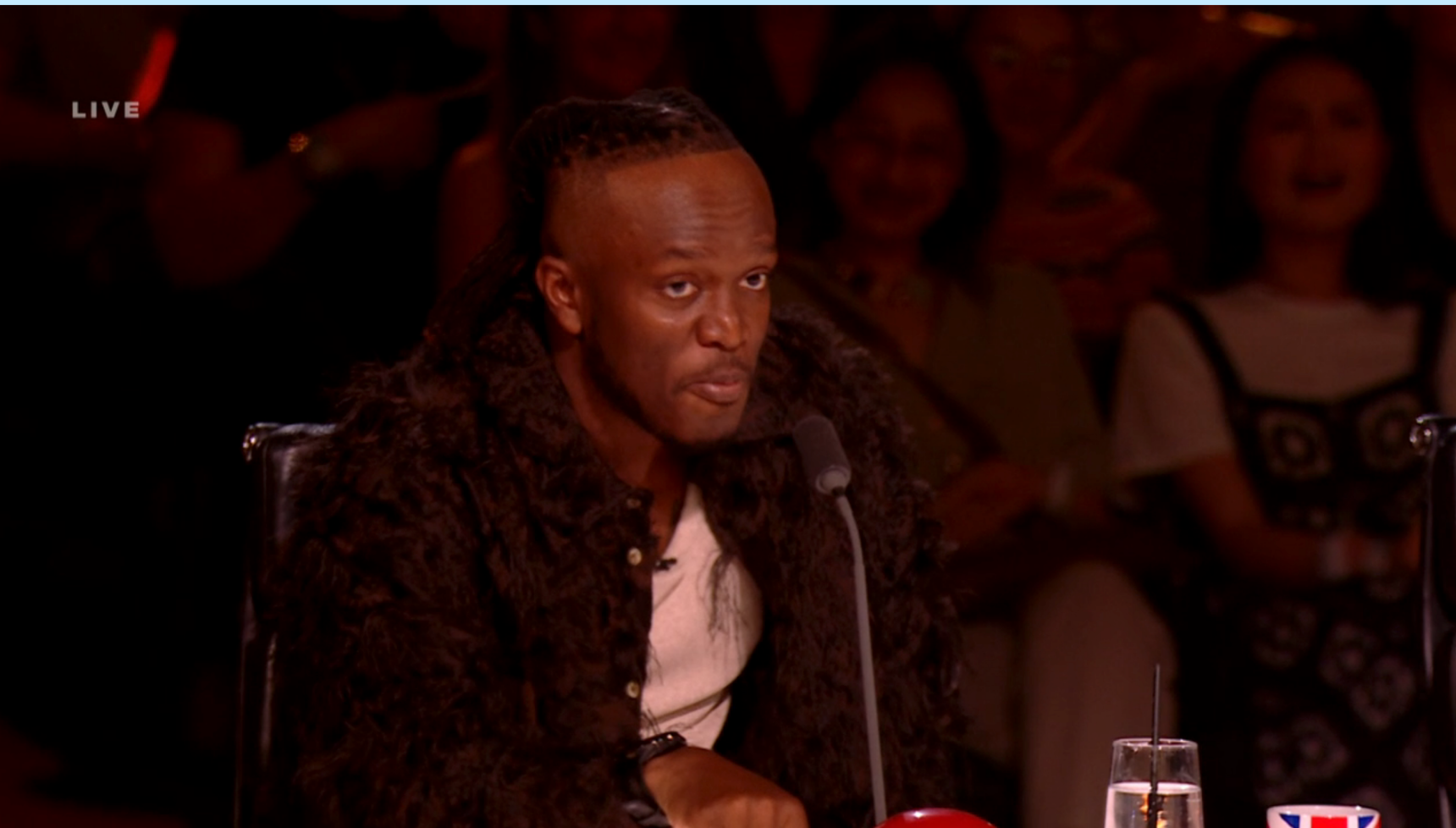
Within hours of the Saturday night final, social media erupted with criticism aimed squarely at the influencer. Fans took to Twitter, Instagram, and TikTok to express their frustration over KSI’s judging style, with many declaring that he had been “rude” to the acts. One viral meme, styled after The Apprentice’s iconic “You’re fired!”, boldly captioned: “KSI, you are going home. He’s the worst judge ever.”
Other viewers were less subtle, questioning both his expertise and his attitude on the show. “Is it just me, or is KSI sometimes incredibly rude to the acts? I’d honestly prefer David Walliams back. Who even is he to judge talent?” tweeted one disgruntled fan. Comments like these reflected the divide between the traditionalist BGT audience and a younger generation more familiar with KSI’s persona.
The criticism wasn’t confined to casual viewers. BGT fan forums and Facebook fan groups lit up with debates about whether the influencer’s presence was overshadowing the performers themselves. Many argued that a talent show’s focus should remain on the contestants, their stories, and the unique acts competing for the coveted £250,000 prize and a chance to perform at the Royal Variety Performance.
Support and Defense
Yet not all responses were negative. While KSI faced scathing comments online, a substantial portion of the audience supported his inclusion. In one social media poll, over 60% of respondents backed KSI, praising his blunt, unfiltered style as a refreshing addition to the panel.
Supporters argued that the show had been stagnating in recent seasons and that KSI’s presence had reignited conversations about BGT. One fan wrote: “He’s blunt, but that’s what makes it watchable. Before he joined, people were losing interest. Now, everyone’s talking about it again!” Others echoed the sentiment, noting that his unconventional feedback created lively debate and encouraged contestants to reflect critically on their performances. “KSI has been a great addition,” commented another viewer, highlighting that his approach, while polarizing, added energy to the series.
A Polarizing Presence
The reaction to KSI underscores the tension inherent in casting influencers or non-traditional media personalities as judges on long-standing reality shows. While younger audiences may resonate with his candid, humorous style, older viewers—accustomed to the measured, seasoned critiques of Simon Cowell or David Walliams—have been less forgiving.
This season’s finale, featuring ten acts vying for the top spot, showcased a range of talent—from singing sensations to jaw-dropping novelty acts. However, the judging panel, particularly KSI, frequently became the focus of commentary on live broadcasts and social platforms. Critics argued that the influencer occasionally overshadowed the contestants with quips and banter, rather than constructive feedback.
Despite the controversy, KSI’s impact on the series cannot be denied. Ratings for BGT 2026 were among the highest in recent years, and the conversations sparked online—both positive and negative—have kept the show trending. From TikTok reaction videos to meme compilations on Twitter, the influence of a younger, digital-native audience has become increasingly evident.
 ITV and BGT 2027
As ITV opens applications for BGT 2027, speculation around the judging panel is intensifying. Fans are asking whether KSI will be invited back or if the producers will opt for a more traditional voice. The debate has become emblematic of a broader question: should legacy shows like Britain’s Got Talent adapt to younger audiences by bringing in internet celebrities, or should they maintain the classic judging formula that has defined their success?
Insiders suggest that discussions are already underway, with producers weighing the benefits of KSI’s youthful, dynamic presence against the backlash from traditional viewers. A source close to the show said: “KSI definitely brought a new energy. People are talking, and that’s good for ratings. But some executives are concerned about the complaints from loyal viewers.”
The split reaction illustrates the modern reality television landscape, where legacy audiences, social media-driven communities, and influencer culture collide. Shows like BGT must now navigate a delicate balance between keeping core viewers happy while evolving to stay culturally relevant.
KSI’s Approach
Throughout the series, KSI maintained his signature style: candid, outspoken, and unafraid to challenge contestants. Some performers appreciated the direct feedback, finding it motivating, while others struggled with the sharp tone. KSI’s approach, at times, blended humour with tough criticism, creating viral moments and trending discussions after nearly every episode.
For example, during the semi-finals, his remark to a singing act sparked both laughter and controversy online, prompting debates about whether such remarks were fair or unnecessary. These moments, while divisive, kept the show in public conversation—something producers have increasingly recognized as valuable in the age of social media.
Public Reaction
The response has ranged from scathing critiques to enthusiastic praise, highlighting KSI’s polarizing effect. Fans have expressed frustration that social media chatter frequently focuses more on judges than the acts themselves, while others argue that lively judging panels enhance the drama and storytelling.
One viewer wrote: “I hate that people are talking about KSI more than the contestants, but I can’t deny it makes the show fun to watch. He’s the twist we didn’t know we needed.” Another added: “I just want the acts to shine, but KSI’s energy keeps the conversation going. It’s a love-hate thing.”
The Future of BGT Judging
With BGT entering its 20th year, the show faces both the challenge and opportunity of reinventing itself. KSI’s first full series has already proven that injecting influencer culture into traditional television can provoke discussion, engagement, and debate. Whether he returns for 2027 remains uncertain, but his impact on the show is undeniable.
Producers now face a critical decision: continue embracing the attention-grabbing panelist who divides opinions yet boosts conversation—or return to a more conventional judging model that prioritizes traditional expertise over social media influence. Either path will shape how Britain’s Got Talent engages both long-time fans and new audiences in the years to come.
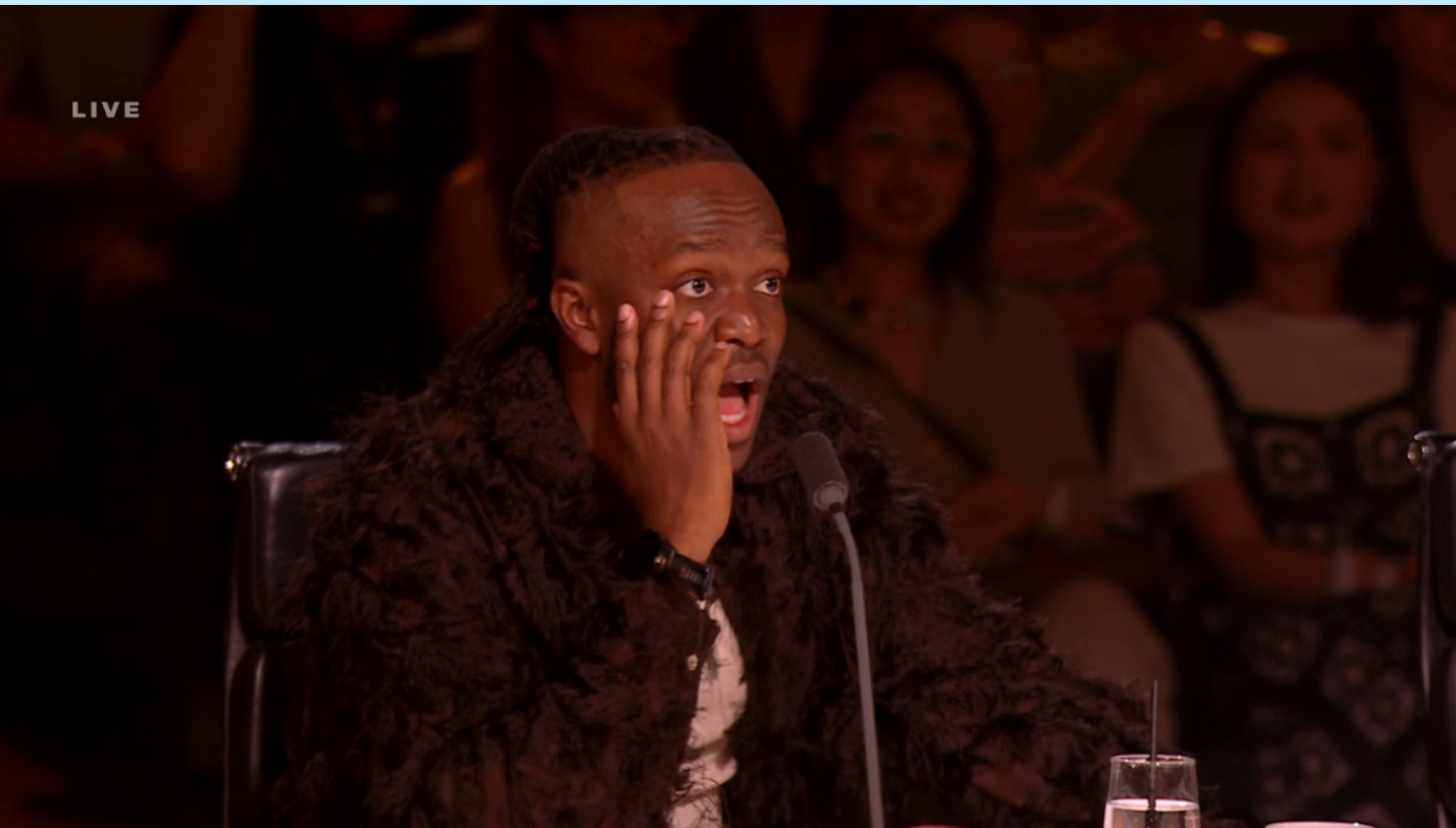
KSI’s tenure on Britain’s Got Talent has become a defining feature of this series, igniting debates that extend far beyond the ITV studio. From viral memes and social media critiques to loyal fan polls and impassioned commentary, the YouTube star has proven that reality television today is as much about conversation as it is about talent.
While some viewers call for his removal, others celebrate the energy and unpredictability he brings to the panel. His future on the show remains a hotly debated question—but one thing is clear: KSI has left an indelible mark on the 20th series of Britain’s Got Talent, reminding producers and audiences alike that evolution, controversy, and conversation are inseparable elements of modern TV success.
Whether he stays or goes, his first series has already cemented him as a figure impossible to ignore—and a judge whose legacy will be remembered as the influencer who shook up the cobbles and divided a nation


