
For decades, Colin Farrell has been known for his intense, charismatic performances on screen, from blockbuster hits to critically acclaimed dramas. But behind the cameras and the red carpets, the Irish actor has quietly navigated one of the most challenging journeys any parent can face: raising a child with a rare neurological disorder.
For the first time, Farrell has spoken candidly about his son James, now 20, who lives with Angelman syndrome—a genetic condition characterized by developmental delays, difficulties with speech, movement challenges, and seizures. Diagnosed at just two and a half years old, James was initially misdiagnosed with cerebral palsy, a confusion common due to overlapping symptoms.
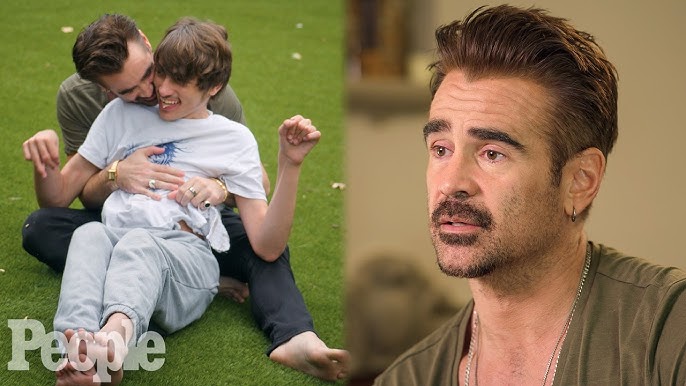
In an exclusive interview with People Magazine, Farrell revealed the profound impact James’ diagnosis has had on his life, describing the journey as both heart-wrenching and enlightening. “The only reason I’m speaking is I can’t ask James if he wants to,” Farrell explained. “I speak to him as if he’s 20 with perfect fluency and cognitive ability, but I can’t discern a specific answer from him. I have to make a call based on knowing James’s spirit, his goodness, and who he is as a young man.”
 Life With Angelman Syndrome
Angelman syndrome presents unique challenges, and Farrell has witnessed them firsthand. “Seizures are one of the things parents struggle with greatly,” he said. “Thankfully, James hasn’t had a breakthrough seizure in 10 or 11 years, but I’ve been in the back of ambulances, I’ve been in the hospital with him.”
The experience has given Farrell an intimate understanding of the daily realities families face when caring for children with intellectual and neurological disabilities. Beyond the medical challenges, the actor has highlighted the scarcity of social support for these families, especially in the United States where many resources end when a child reaches 21. Farrell described the anxiety of navigating the system, even with a career that has afforded him financial stability. “I still struggle with finding the kind of support that James deserves, and should rightfully have,” he admitted.
Launching a Foundation for Families
Motivated by his personal experience, Farrell is taking action. He has launched a California-based foundation aimed at supporting individuals with intellectual disabilities and their families. The organization focuses on providing housing, day programs, workforce support, and advocacy to ensure lasting change for families navigating similar journeys. Farrell framed the effort as being “all in James’ honor.”
“If James could respond,” Farrell said, “he would say, ‘Dad, why are you even asking me? It’s a no-brainer.’ That’s exactly why we’re doing it.”
Through this initiative, Farrell hopes to make a tangible difference for families who, like his own, struggle to find reliable and consistent support for their children. “I want the world to be kind to James,” he said. “I want the world to treat him with kindness and respect.”
Lessons From Parenthood
Caring for James has changed Farrell’s perspective on life in ways that extend beyond parental responsibility. “Watching him grow up has given me the ability to look at the human being, the human body, and life as a marvel,” Farrell reflected. “I see struggles he faces that most of us would never consider, things that are taken for granted every day.”
Farrell’s story is also one of advocacy, using his public platform to shed light on challenges faced by families of children with rare neurological conditions. He has consistently spoken about the need for awareness, empathy, and systemic support to help these families navigate daily life, education, and medical care.
 Building a Community of Support
In addition to practical aid, Farrell’s foundation aims to create a sense of community. “It’s not just about providing services; it’s about giving families a network, a voice, and reassurance that they are not alone,” he said. “Raising a child with special needs can be isolating, and my hope is to reduce that burden.”
Through the foundation, Farrell is working to connect families, provide resources, and amplify the stories of those who often go unheard. By doing so, he hopes to create a ripple effect, encouraging society to consider the broader needs of people with intellectual disabilities and their caregivers.
Personal Reflections
Speaking openly about James’ condition has not been easy for Farrell, but he is determined that transparency will foster understanding and advocacy. He reflected on the misdiagnosis and the years of uncertainty: “Cerebral palsy was a label, but it didn’t capture James’ reality. Understanding Angelman syndrome and its impact has been a learning curve for all of us.”
Farrell also described the emotional impact of parenting a child with Angelman syndrome, sharing both the highs and the lows. “There are moments of joy, laughter, and pride,” he said. “And there are moments of deep frustration, fear, and exhaustion. But every step of the way, James teaches me patience, empathy, and resilience.”
Looking to the Future
Now, as James reaches adulthood, Farrell’s focus is on creating opportunities and advocating for long-term stability. His foundation is designed to help individuals with intellectual disabilities live fuller, richer lives while supporting their families in ways that extend beyond immediate medical needs.
“This isn’t just about James,” Farrell explained. “It’s about every family facing similar challenges. It’s about building systems that provide dignity, choice, and hope.”
A Message of Compassion
Farrell’s candor and advocacy serve as a reminder of the power of celebrity to draw attention to important issues, especially in areas often overlooked by the public. He emphasized the need for a kinder, more understanding world for individuals with disabilities: “If I can help one family feel supported, or help one person with intellectual disabilities feel seen and valued, then it’s all worth it.”
James’ journey, and Farrell’s commitment to it, highlights the intersection of personal experience and social responsibility. By transforming his private challenges into public action, Farrell is not only supporting his son but helping to pave the way for a more compassionate and equitable society.
 Final Thoughts
Colin Farrell’s decision to speak publicly about James’ Angelman syndrome and to launch a foundation in his son’s honor is a testament to the actor’s courage, love, and vision. It underscores the challenges families face when navigating rare neurological disorders and provides hope for future generations of children and their caregivers.
Through his efforts, Farrell is using his platform to foster awareness, build community, and create lasting support systems that extend beyond Hollywood. As James continues to grow and thrive, the world watches a father’s devotion transformed into action, advocacy, and a beacon of hope for countless families around the globe.


