
A groundbreaking new treatment for advanced prostate cancer has shown astonishing results, offering hope to men with terminal diagnoses and reshaping the future of cancer care.
This new immunotherapy, a cutting-edge drug known as VIR-5500, works by harnessing the body’s own immune system to fight off cancer. The treatment has already shown a remarkable ability to halt and even shrink tumours in patients — an achievement previously unheard of in the fight against prostate cancer.
 Until now, immunotherapy had failed to make significant headway with prostate cancer. Trials using similar treatments often resulted in little to no reduction in tumour size, and severe side effects were common. However, early trials of VIR-5500 have stunned experts by demonstrating a dramatic reduction in tumour size in nearly half of the patients who took part in the study.
The drug’s “cloaking device” is a key part of its success. The treatment remains inactive until it reaches the tumour, which helps to prevent the typical side effects that have previously plagued cancer therapies. By effectively targeting cancer cells, VIR-5500 brings the body’s immune cells into action, attacking the cancer wherever it is located.
Hope for Terminal Patients
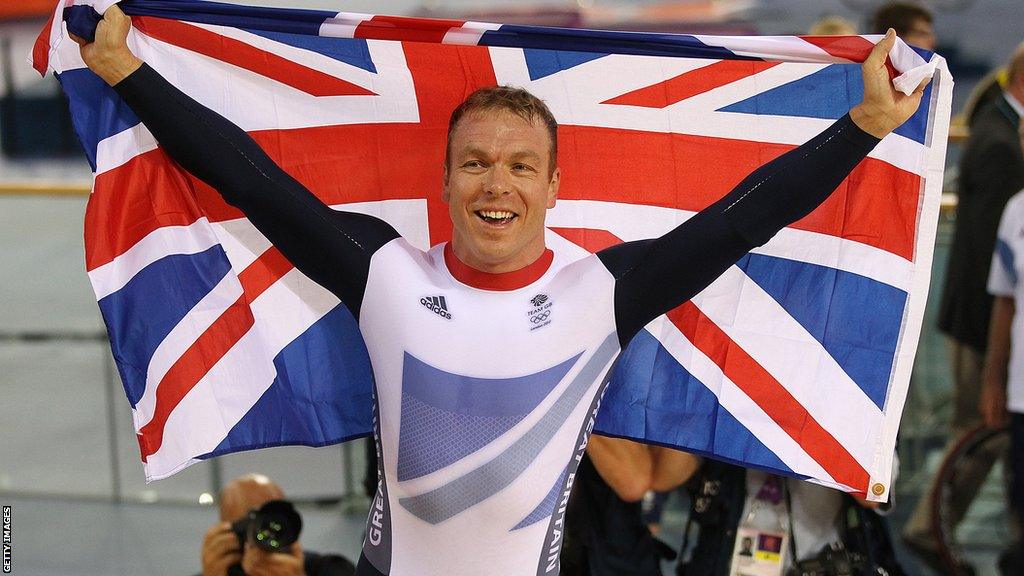
Prostate cancer is the most common form of cancer in British men, with an estimated 55,000 new cases diagnosed annually. Notably, high-profile figures like Olympic cycling champion Sir Chris Hoy, who is living with a terminal diagnosis, have brought significant attention to this condition.
Researchers from the Institute of Cancer Research (ICR) and Royal Marsden NHS Foundation Trust have been leading trials of this promising treatment. They tested 58 men whose prostate cancer had stopped responding to conventional treatments. The results were nothing short of extraordinary.
Nearly 45% of patients saw their tumours shrink during the trial. Of the 17 patients who received the highest dose of the treatment, 53% experienced a staggering 90% drop in their prostate-specific antigen (PSA) levels — a blood marker that indicates prostate disease. The remaining 82% of patients saw their PSA levels reduced by at least 50%.
This “T-cell engager” works by binding to both the body’s immune T-cells and a protein found on prostate cancer cells. By doing so, it enables the T-cells to come into contact with the cancer cells, effectively turning the immune system into a weapon against the disease.
Side Effects? Mild and Manageable
In addition to the impressive results seen in tumour shrinkage, the treatment has been associated with very mild side effects in 88% of the patients. This represents a huge improvement over previous cancer therapies, which often resulted in debilitating side effects that made treatment unbearable.
The drug’s design allows it to remain in the bloodstream for longer periods, meaning fewer doses are required. This breakthrough, funded by Vir Biotechnology, is set to pave the way for more extensive trials.
Professor Johann de Bono, a leading researcher on the project, expressed optimism for the future. “There is certainly hope that drugs like VIR-5500 will increase the likelihood of a cure for patients with advanced prostate cancer,” he stated. “We are hopeful that, in the not-too-distant future, a cure will be within reach for men whose cancer has already spread.”
Why This is a Game-Changer
The news of this treatment’s success is especially significant considering how little progress has been made in treating advanced prostate cancer, which often has a terminal outcome once the disease spreads. Patients who once faced grim prospects now have a glimmer of hope thanks to this innovative therapy.
Moreover, the VIR-5500 treatment could mark a major turning point in how we approach cancer therapies. It’s not just about treating the disease — it’s about harnessing the body’s natural defenses, boosting the immune system to fight off cancer in a way we’ve never seen before.
As experts and researchers celebrate this leap forward in cancer treatment, the implications for prostate cancer patients — and potentially for other forms of cancer — are staggering. With continued research and larger clinical trials, this immunotherapy could become a lifeline for thousands of patients around the world.

The Road Ahead
Looking forward, VIR-5500 will progress to larger trials, and experts remain cautiously optimistic that this could one day be the game-changing cure that many prostate cancer patients desperately need. For men like Sir Chris Hoy, who is living with the disease, the breakthrough brings hope that one day, treatments like these could not only slow the disease but stop it in its tracks.
Though this treatment offers a beacon of hope, experts remind us that more research is needed before we can fully understand its long-term impact. But if current results are anything to go by, the future of prostate cancer treatment looks brighter than ever.
In the meantime, the work of organizations like the Institute of Cancer Research and Royal Marsden NHS Foundation Trust continues to be at the forefront of this life-saving research. For now, patients and their families can find comfort in knowing that there is still hope — a hope that once seemed distant but is now well within reach.


