
Gene Shalit, the exuberant film critic whose enormous mustache, colourful bow ties and playful turns of phrase made him one of American morning television’s most unforgettable personalities, has died at the age of 100.
The veteran broadcaster passed away peacefully on Friday, his family announced, bringing to a close an extraordinary life that stretched across a full century and transformed the way movie criticism was delivered on television.

Shalit spent approximately 40 years entertaining viewers of NBC’s Today show, where his distinctive appearance and pun-filled reviews turned even the briefest film segment into a performance.
His family described his years on the programme as an “extraordinary era,” recalling a remarkable career in which he interviewed Hollywood legends, reviewed thousands of films and became instantly recognisable to generations of viewers.
His death came less than three months after he celebrated his milestone 100th birthday on March 25.
Today marked the occasion on air, with Al Roker revealing that the retired critic was enjoying the fresh air of the Berkshires surrounded by his children and grandchildren.
For viewers who grew up watching him, Shalit was impossible to confuse with anybody else.
His dramatic handlebar mustache stretched across his face beneath oversized glasses, while his thick hair, bright bow ties and infectious enthusiasm gave him the appearance of a wonderfully eccentric professor.

Yet beneath the flamboyant image was a sharp and highly experienced journalist whose command of language became the foundation of his appeal.
Shalit did not merely tell audiences whether a film was good or bad. He delivered verdicts through jokes, rhymes, puns and carefully crafted one-liners that could be warm, wicked or wonderfully groan-inducing.
At a time before online reviews, social media and streaming platforms transformed entertainment journalism, his opinion reached millions of homes over breakfast.
Born Eugene Shalit in New York City in 1926, he was raised in New Jersey and showed an early passion for writing.
He founded a newspaper while at school and later studied at the University of Illinois at Urbana-Champaign, graduating in 1949 with a degree in science and letters.
During his university years, he wrote humorous and observational columns for The Daily Illini, including What Shalit Be? and Campus Scout.
The playful titles hinted at the fondness for wordplay that would later become his broadcasting trademark.
After college, Shalit pursued journalism and publicity work, including a period as press agent for television personality Dick Clark.
He subsequently wrote for newspapers and magazines before appearing on Today in a part-time capacity.
:max_bytes(150000):strip_icc():focal(749x0:751x2)/gene-shalit-4-032726-11c9f94714af47d7afea99526c946b80.jpg)
His Critics Corner feature became a familiar part of the programme, and by 1973 he was working as a full-time member of the Today family.
Over the following decades, Shalit shared the screen with some of the most prominent broadcasters in American television history, including Barbara Walters, Bryant Gumbel, Jane Pauley and Katie Couric.
He also interviewed an extraordinary range of stars, among them Sophia Loren, Carol Channing, Harrison Ford, Oprah Winfrey and director Steven Spielberg.
Although film criticism was his speciality, his interests extended across books, theatre and the broader world of entertainment.
His humour made him an ideal guest on television game shows, while his visual appearance became so famous that it was repeatedly parodied.
Eugene Levy imitated him on the Canadian comedy programme SCTV, while Horatio Sanz portrayed him on Saturday Night Live.
Shalit also inspired a Muppet character and lent his own voice to an animated version of himself on SpongeBob SquarePants.
Family Guy later added another parody to the growing list — evidence of how deeply his image had entered American popular culture.
Such tributes might have reduced another critic to little more than a caricature.
But those who worked closely with Shalit remembered the intellect, preparation and curiosity behind the television persona.
His longtime producer Guy Ludwig once praised his remarkable intelligence and ability to enlighten audiences without overwhelming them.
Shalit could be sharp, but entertainment always remained central to his style.
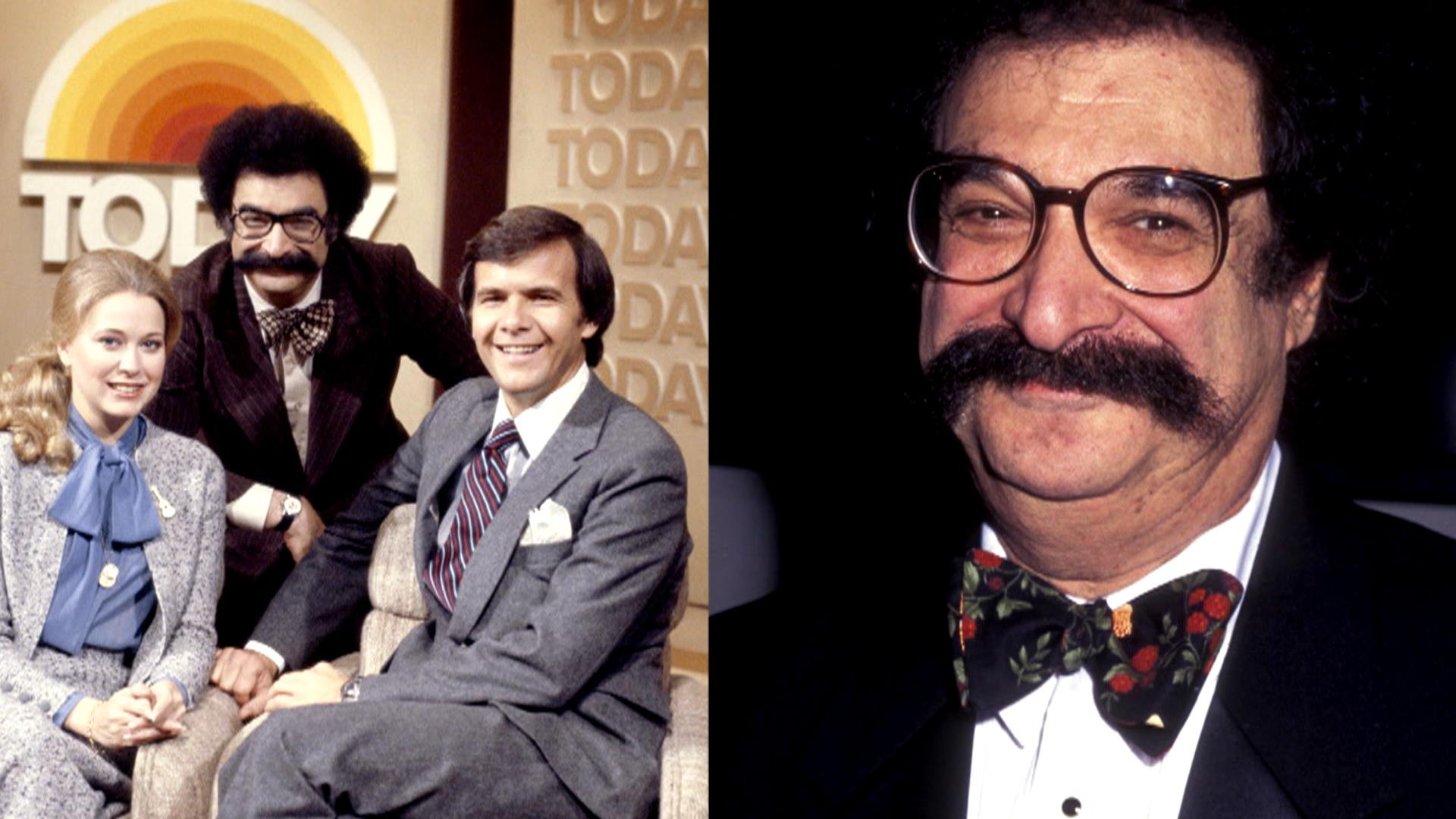
After four decades on Today, he retired from the programme in 2010, leaving behind one of the longest and most distinctive tenures in morning television.
His departure marked the end of an era in which critics were not simply commentators but major television personalities capable of influencing the national conversation around a new release.
Away from the cameras, Shalit’s life was shaped by deep family devotion and personal loss.
He married Nancy Lewis in 1950, and the couple had six children together: Peter, Willa, Andrew, Nevin, Emily and Amanda.
Nancy died from cancer in 1978 after 28 years of marriage. Shalit never remarried.
He continued raising their family while maintaining the relentless demands of his broadcasting career, eventually becoming a grandfather five times over.
His 100th birthday celebration offered a final reassuring glimpse of the man behind the famous mustache — no longer delivering rapid-fire reviews from a television studio, but quietly enjoying nature and the company of those he loved most.
The announcement of his death prompted affectionate memories from viewers who remembered his booming voice, mischievous smile and unmistakable presence.
For some, his passing represented the loss of a beloved television figure. For others, it marked the disappearance of an entire style of criticism — personal, theatrical and joyfully eccentric.
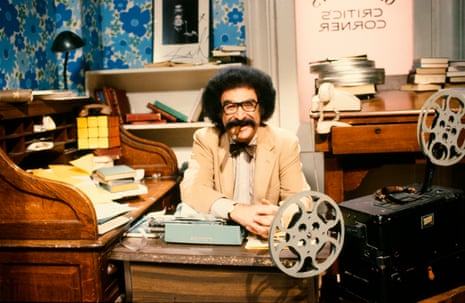
Gene Shalit understood that audiences did not always want a lecture before breakfast.
Sometimes they wanted wit, passion and a gloriously terrible pun delivered by a man wearing an enormous bow tie.
He gave them exactly that for 40 remarkable years.
:max_bytes(150000):strip_icc():focal(749x0:751x2)/gene-shalit-2015-TODAY-122325-6ef760caeb074bffabf2ee2592e31446.jpg)
As Hollywood and the television industry mourn one of their most colourful voices, Shalit leaves behind something increasingly rare: a career that was intelligent without becoming cold, influential without becoming self-important and utterly impossible to imitate.
One hundred years, six children, five grandchildren and countless films later, the curtain has fallen on a true American television original. 🕊️


