
Susie Wiles has spent decades operating behind the scenes of American politics, rarely seeking attention while managing some of the most intense pressure in Washington.
Now, the famously private White House chief of staff is confronting an intensely personal challenge after revealing that she has been diagnosed with early-stage breast cancer.
The 69-year-old political strategist confirmed the news in March, explaining that doctors had detected the disease early and that she felt encouraged by a strong prognosis.
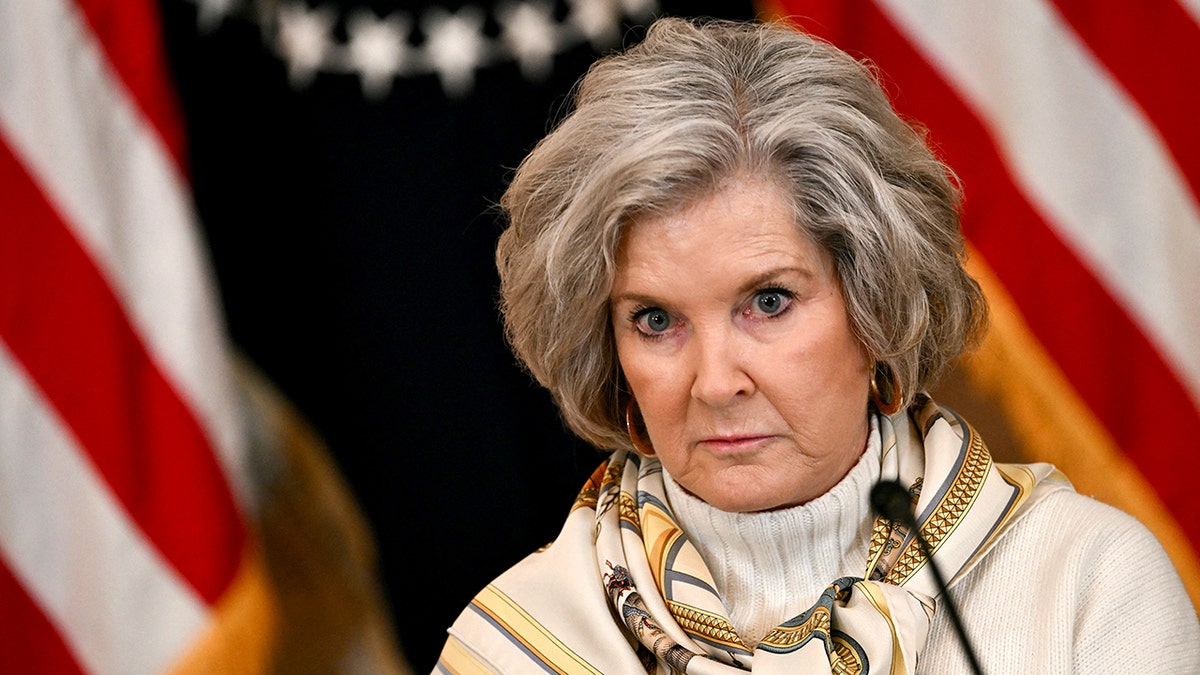
Wiles also made clear that she intended to continue serving in one of the most demanding positions in the United States government while receiving treatment in the Washington area.
Her decision reflected the disciplined and understated approach that has defined her career.
Rather than presenting herself as fearless, Wiles acknowledged that she had joined millions of women who continue raising families, working and serving their communities while undergoing cancer treatment.
Her message was not one of denial.
It was a declaration that illness would become part of her life without being allowed to consume her entire identity. 💗
President Donald Trump publicly expressed his support, describing Wiles as one of the strongest people he knows and praising her commitment to remain at work.
He said her medical team had offered an excellent outlook and predicted that she would emerge from the ordeal stronger than before.
Moments after the diagnosis became public, Wiles appeared beside Trump during a White House event wearing a pale pink jacket.
_(cropped).jpg/250px-Susie_Wiles_(crop)_(cropped).jpg)
Several people embraced her as she entered the room, while Trump pulled out her chair before she sat beside him.
The scene was unusually tender for a political environment more often defined by confrontation and relentless competition.
Yet Wiles appeared composed, maintaining the calm expression familiar to those who have watched her guide Trump’s political operation from behind the cameras.
Her public presence continued in May when she attended the Independent Women’s awards gala at the Waldorf Astoria in Washington.
Wiles received the organisation’s Barbara K. Olson Woman of Valor Award, recognising her influence, leadership and historic role as the first woman to become White House chief of staff.
The evening became especially emotional when Trump appeared through a surprise video tribute.
He praised Wiles’ professionalism and resilience while referring to the health battle she had begun only weeks earlier.

For a woman known for avoiding the spotlight, standing before the gala audience and discussing cancer represented an unusually vulnerable moment.
Wiles spoke about the countless women who confront the same diagnosis while continuing to care for children, report to work and support those around them.
She presented herself not as an exceptional figure standing above those women, but as someone who had suddenly become one of them.
That perspective gave her appearance a significance extending far beyond party politics.
Cancer does not distinguish between Democrats and Republicans, public figures and private citizens, or those working in the White House and those balancing jobs in communities across America.
Behind every diagnosis is a person forced to absorb frightening news, make complicated medical decisions and confront uncertainty about the future.
Wiles’ experience has also demonstrated that resilience can take many forms.
For some patients, strength means continuing to work. For others, it means stepping back, accepting help and giving the body time to recover.
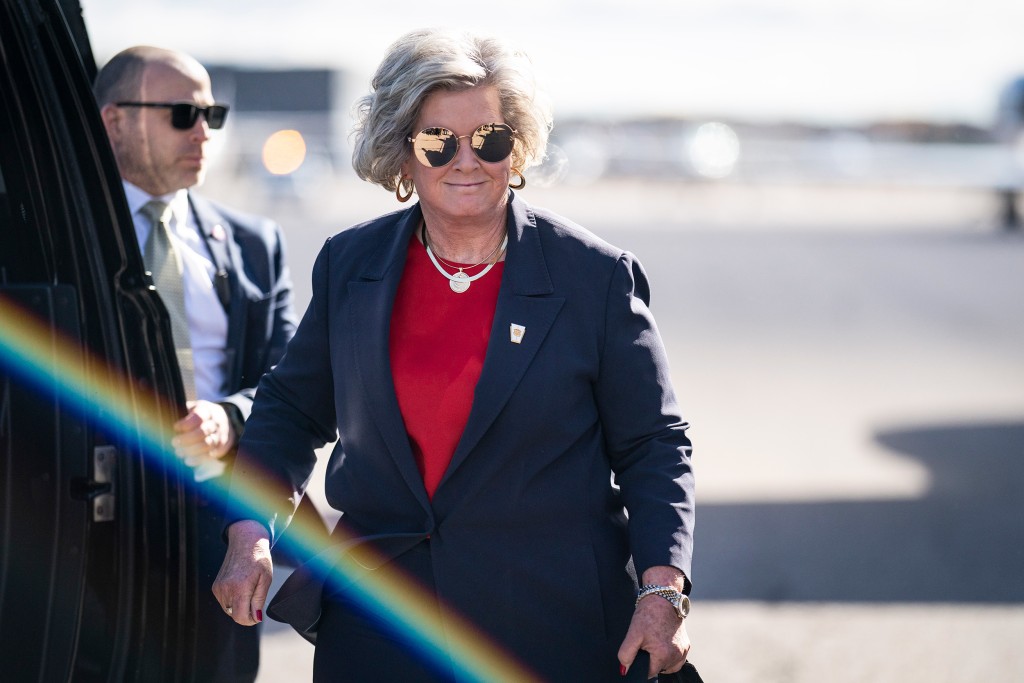
There is no single correct way to face cancer, and Wiles’ choice to remain active should not create an expectation that every patient must do the same.
Her decision is deeply personal, guided by her doctors, circumstances and determination to continue a job she has spent years preparing to perform.
Wiles became the first female White House chief of staff when Trump returned to office in January 2025.
She had previously managed his successful 2024 campaign and developed a reputation as a disciplined strategist capable of imposing order on a famously unpredictable political operation.
Unlike many Washington figures, Wiles rarely pursues television appearances or personal publicity.
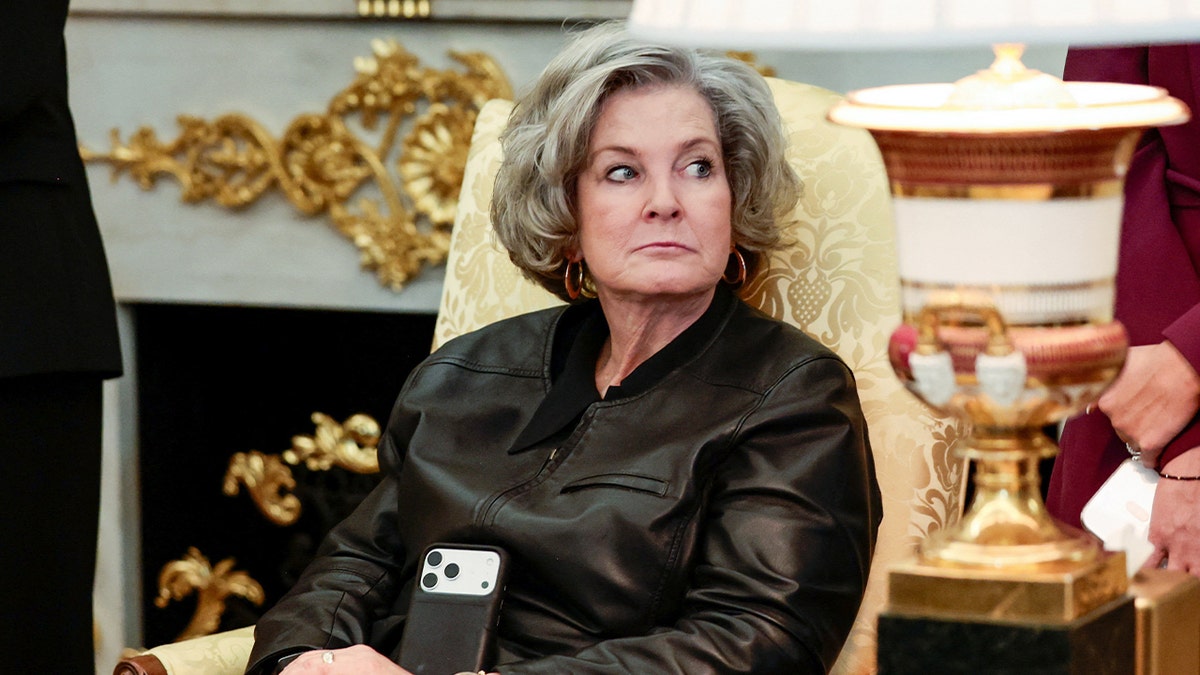
She is more commonly photographed sitting quietly beside the president, reviewing notes or observing meetings from the edge of the room.
That discretion has earned her a reputation as one of the administration’s most influential yet least theatrical figures.
Her cancer announcement therefore carried particular weight.
Wiles did not release a dramatic account of fear or provide private treatment details. She expressed gratitude to the doctors who identified the disease early and focused on the importance of prompt medical attention.
The diagnosis also offered a powerful reminder of the potential value of screening and early detection.
Although individual outcomes vary and no medical journey should be simplified, finding breast cancer at an early stage can provide doctors with more treatment options and patients with greater reason for hope.
Wiles has not publicly disclosed the precise form of her cancer or the complete course of treatment recommended by her doctors.
Those details remain private, as they should unless she chooses to share them.
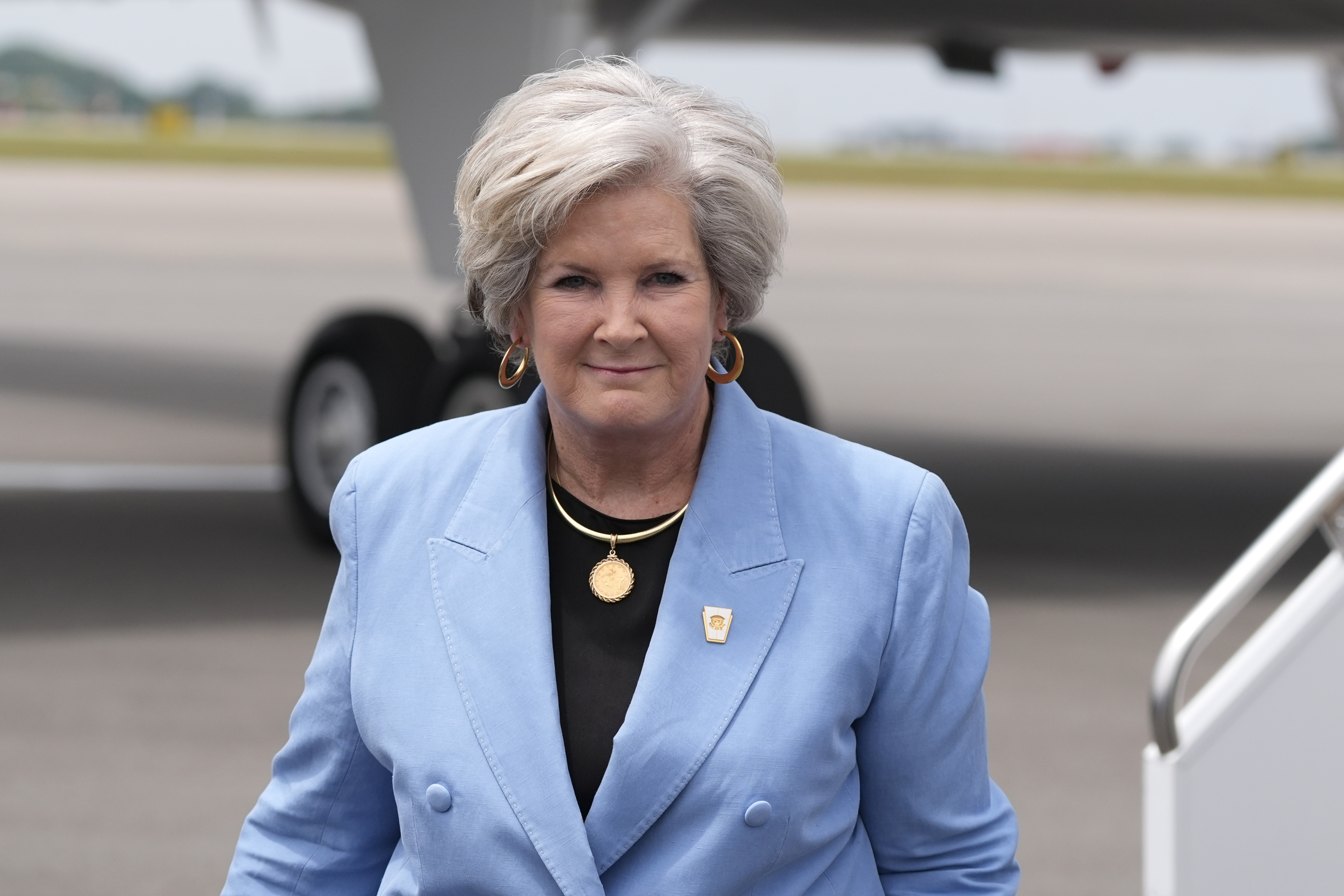
What she has revealed is enough to show the delicate balance she is now attempting to maintain.
There are medical appointments and treatments, but also policy meetings, presidential travel and the daily responsibility of managing the White House.
There is public praise, but also the quiet fear that can accompany any cancer diagnosis.
And there is optimism without any suggestion that the road ahead will be effortless.
Wiles’ story is powerful not because she holds one of Washington’s most important jobs, but because her response will feel familiar to families everywhere.
A life-changing diagnosis arrives, the world appears to pause — and then ordinary responsibilities continue.
For now, Susie Wiles remains at the president’s side, carrying out her duties while placing her trust in her medical team.
She is confronting cancer in the same manner that she has approached political campaigns and national leadership: calmly, privately and with fierce determination.
Her battle is still unfolding, and no one should attempt to write its ending prematurely.
But in choosing hope while acknowledging the seriousness of the journey, Wiles has already offered a compelling image of courage.
Sometimes strength does not roar.
Sometimes it simply returns to work, accepts the support of others and takes the next difficult step with grace. 🕊️


