
Trey Yingst is not the kind of television journalist who looks comfortable sitting still — and that may be exactly why viewers cannot stop watching him.
At just 32, the Pennsylvania-born Fox News foreign correspondent has become one of the most recognisable young reporters on American television, known for his fearless dispatches from some of the world’s most dangerous conflict zones. He is the man viewers have seen in a helmet and flak jacket, reporting from the edge of chaos, speaking calmly while history unfolds around him. 🌍
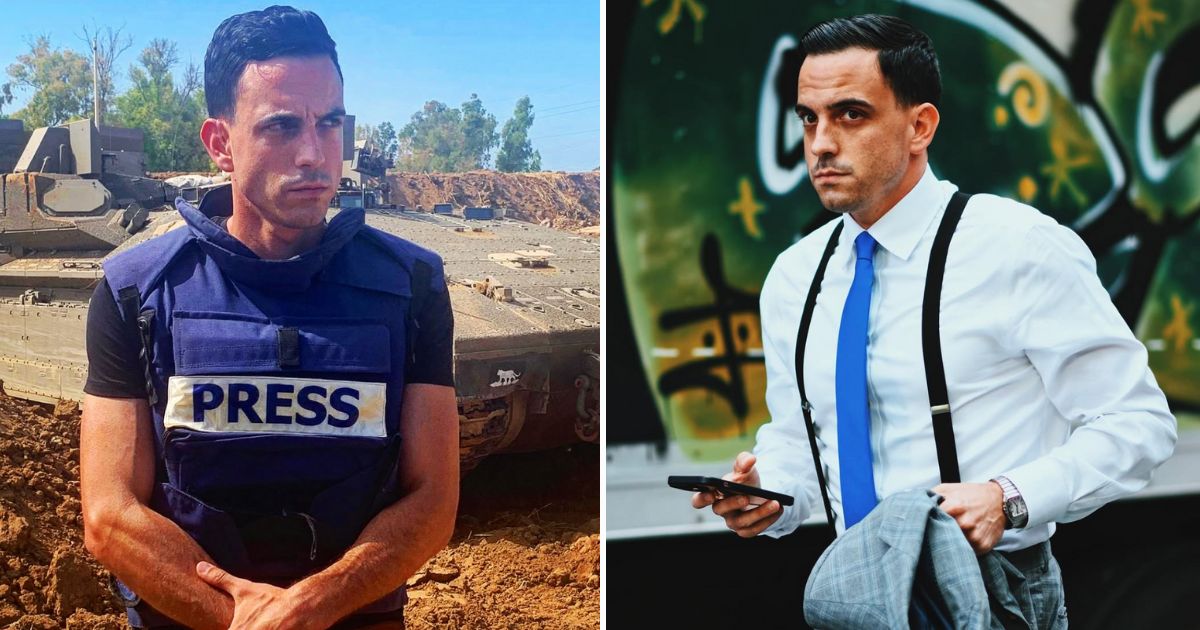
But behind the viral clips, battlefield updates and dramatic live shots is a far more layered story — one shaped by ambition, family heartbreak, mental resilience and a deep belief that journalism should never lose sight of humanity.
Yingst grew up in Hershey, Pennsylvania, before graduating magna cum laude from American University with a degree in broadcast journalism. While many students were still learning the theory of reporting, Trey was already living it. He co-founded News2Share while still in school, documenting unrest and conflict from places including Ferguson and Ukraine.
That early drive helped launch him into national journalism at an unusually young age. By 24, he was covering the White House, standing in rooms where power was questioned daily. But it was overseas, in the field, where Yingst would truly build his reputation.
His reporting style is immediate, raw and deeply visual. Whether posting from war-torn streets, hospitals, bomb shelters or tense military checkpoints, he has become a digital-age correspondent — one who does not simply wait for the nightly broadcast, but brings audiences directly into the moment through social media.
With hundreds of thousands of followers on X, formerly Twitter, Yingst has built a powerful online presence that blends urgency with intimacy. His battlefield footage, behind-the-scenes images and personal reflections have helped him reach viewers who may never sit down to watch a traditional news bulletin. 📱

Yet for all the danger and speed of his professional life, some of Yingst’s most powerful moments have been deeply personal.
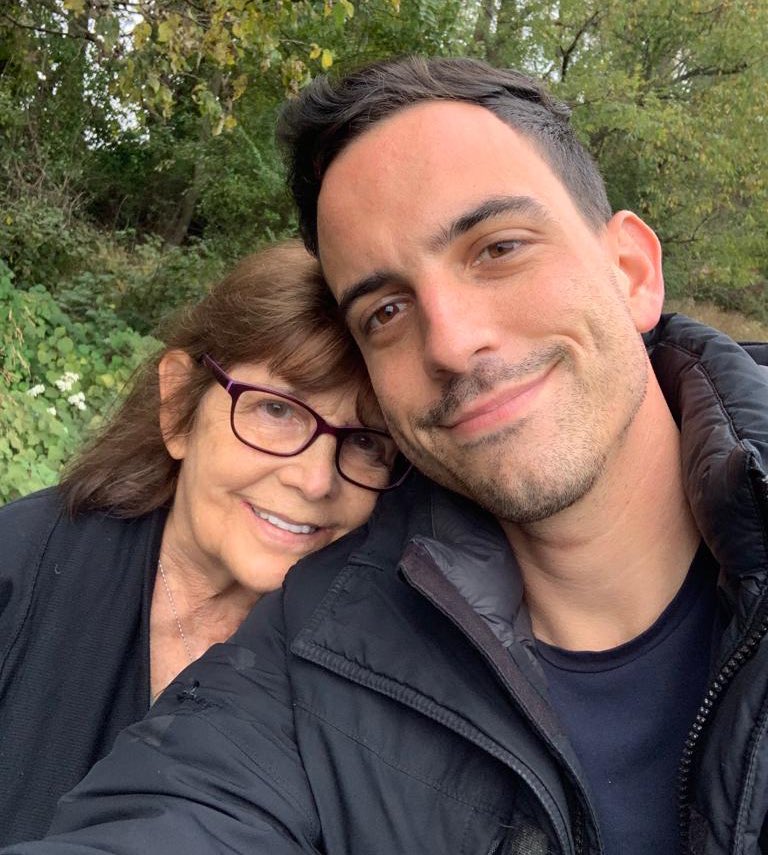
In 2022, he suffered the devastating loss of his mother, Debbie Ann Lee Yingst, who died on Thanksgiving after a long illness. A social worker and, in Trey’s words, an “incredible human,” Debbie clearly shaped the compassion that now runs through much of his work.
In a moving tribute, he wrote that she had taught him about empathy and selflessness, asking others to honour her by doing something kind for someone else. It was a quiet message, but one that revealed so much about the man behind the microphone. 💔
That same spirit can be seen in the way Yingst reports on conflict. He does not treat war as spectacle. He searches for people inside the devastation — grieving families, exhausted doctors, frightened civilians, soldiers under pressure and children caught in circumstances they never chose.

That mission is also reflected in his project Experience Humans, which uses portrait photography to share the stories of people living through conflict. In a world where war can quickly become numbers, strategy and politics, Yingst keeps returning to faces, names and human stories.
But the work has come at a cost.
Yingst has spoken candidly about the psychological toll of witnessing violence, grief and destruction up close. He has opened up about PTSD, anxiety and the need to protect mental health while doing a job that often requires walking directly into trauma.
His routine is strict and deliberate: meditation, workouts, cold exposure, clean eating and preparation before entering dangerous environments. “I prepare for war in times of peace,” he has said — a line that captures both discipline and survival. 💪
That honesty matters. In journalism, especially war reporting, there has long been pressure to appear unaffected. Yingst’s openness challenges that idea, showing that strength is not the absence of fear or pain, but the ability to face them honestly.

In 2024, he expanded his work with the release of Black Saturday, a book chronicling the October 7 Hamas attacks and their aftermath. The project cemented his role not only as a correspondent, but as a witness to one of the defining conflicts of the modern era.
Still, while Yingst shares so much of the world’s pain with his audience, he keeps his own private life largely out of view. His relationship status remains a mystery, with little confirmed publicly about romance, marriage or children. For a man constantly visible in some of the world’s most intense places, he has managed to keep part of himself firmly protected.

Perhaps that is part of the fascination. Trey Yingst gives viewers a front-row seat to history, yet keeps his personal story just beyond the frame.
Fearless but thoughtful, ambitious but empathetic, modern but grounded in old-fashioned reporting values, he represents a new kind of foreign correspondent — one who understands that in war, the most powerful stories are not only about what is destroyed, but about the people still standing. ⚡


