
Scotland Yard is employing an unprecedented tactic to manage a highly sensitive and potentially volatile pro-Iran rally this weekend. The Al Quds Day rally, a regular event held every year during Ramadan, has drawn significant attention this year due to the ongoing war in Iran and concerns over the large number of participants. In a bid to prevent serious public disorder during the rally, Scotland Yard has decided to use the River Thames as a barrier to physically separate the pro-Iranian regime demonstrators and counter-protesters. This tactic has never been used before, according to Assistant Commissioner Ade Adelekan, who stated that this was a unique set of circumstances requiring an equally unique response.

The Al Quds Day march, which has previously been a platform for anti-Israel demonstrations, has gained extra scrutiny this year due to the ongoing war in Iran and the involvement of multiple protest groups. The Metropolitan Police have expressed concerns that the rally could attract up to 12,000 people, significantly surpassing the numbers seen in previous years. This would not only increase the risk of confrontation between the opposing groups but also pose a challenge to public safety.
The police initially requested to prohibit the march entirely, marking the first time since 2012 that such a request was made. However, the Home Secretary, Shabana Mahmood, approved the prohibition of the march but clarified that it was not possible to ban a static demonstration, which would allow the protest to take place in one fixed location rather than a moving march. The protestors are now expected to remain in one area near Albert Embankment on the south side of the River Thames, while their opponents will be positioned across the river at Millbank on the north side. This division across the river is intended to prevent the two sides from clashing.
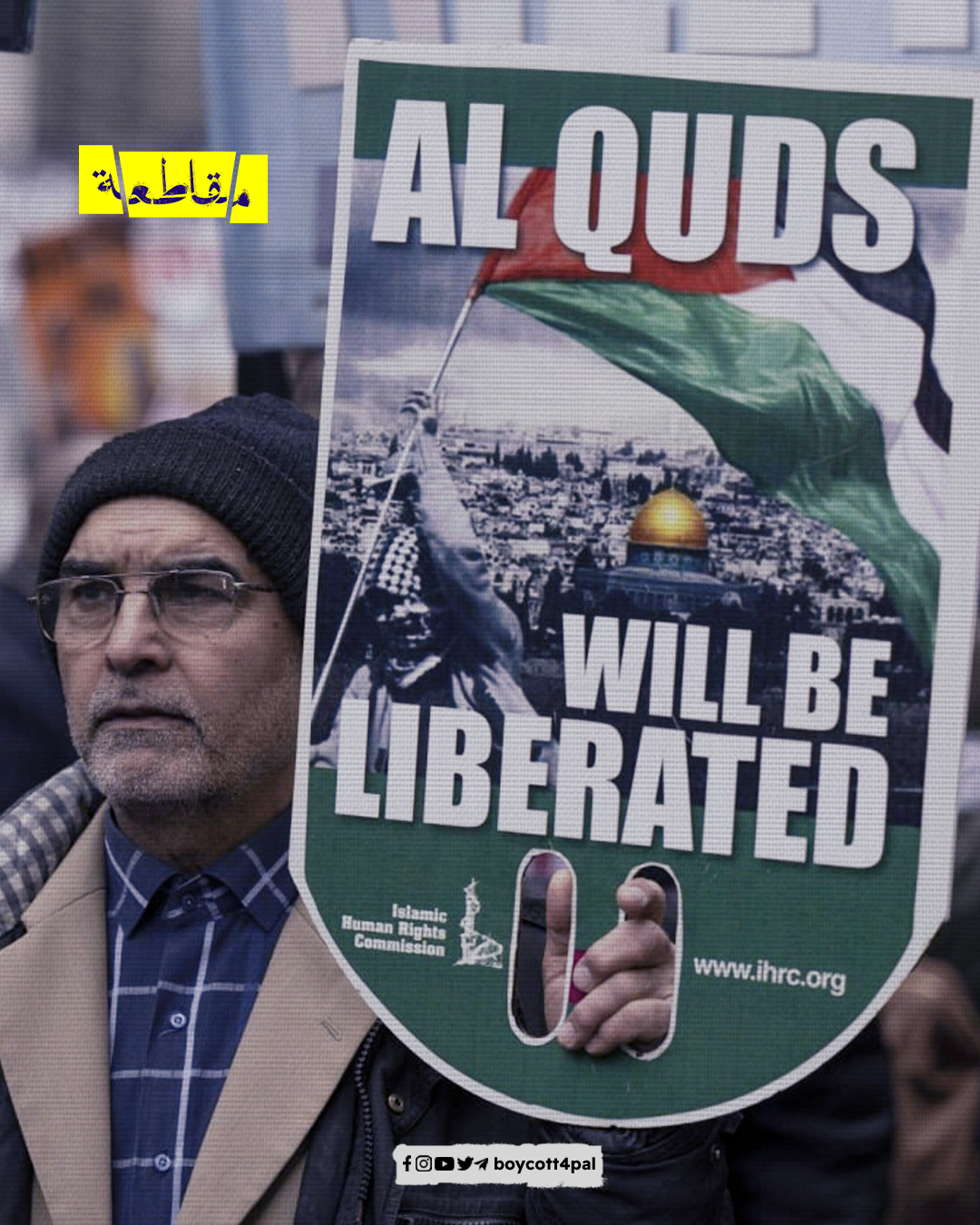
In addition to the use of the river as a physical barrier, the police will close Lambeth Bridge, which links the two protest sites, except for emergency vehicles. The Metropolitan Police will deploy over 1,000 officers to oversee the demonstration, drawing on support from other forces as part of mutual aid. This includes efforts to control any potential counter-protest groups that may have differing views on the matter. Some of these counter-protest groups, including the Lion Guard of Iran, Stop the Hate, and the Free Iran Coalition, have already expressed their intention to attend the rally in opposition to the pro-Iran demonstrators.
Assistant Commissioner Adelekan explained that this physical segregation of protest groups would help ensure the safety of all participants. By placing the two sides far apart and ensuring that they use separate transport hubs, the police hope to prevent any major clashes. He emphasized that while the police cannot guarantee complete safety, they were doing everything in their power to mitigate risks.

While freedom of speech remains a core right in the United Kingdom, the police have emphasized that there will be a zero-tolerance approach toward hate crimes. Any individuals found to be inciting violence or hatred during the protest could face arrest. This includes both sides of the protest, as the police are committed to preventing any forms of extremism or hate speech.
The Al Quds Day demonstration, named after the Arabic term for Jerusalem, has long been a controversial event, especially due to the political and religious messages associated with it. Past demonstrations have featured calls for the destruction of Israel, and protesters have often carried the flags of groups like Hezbollah, which is backed by Iran. The police’s decision to intervene comes at a time of heightened tensions in the Middle East, with the war in Iran further complicating the political landscape.

The Metropolitan Police have reassured the public that their primary objective is to ensure public safety while also protecting the right to protest. This delicate balance of rights and safety is something the police have had to navigate carefully, especially as protest numbers are expected to exceed previous years. Assistant Commissioner Adelekan stated that while this event represents a challenge for the police, they are determined to manage the situation effectively and keep the two opposing sides as far apart as possible.
In light of these efforts, the police are also re-deploying neighborhood policing officers to ensure security in areas with high Jewish populations, who may feel vulnerable during such demonstrations. As for the specific details of the protest, the Al Quds Day organizers, led by the Islamic Human Rights Commission (IHRC), have defended their right to demonstrate, even as some critics allege that the event has been used as a platform to promote anti-Semitic views.
The police’s actions have sparked a national debate on how best to handle protests in the current political climate. With so many people holding conflicting views, particularly in light of the recent Iran conflict, finding a resolution that respects both freedom of speech and the safety of the public is a challenging task. The outcome of this weekend’s demonstration may shape how future protests are handled in the UK, particularly as global political issues continue to intersect with local demonstrations.

As the event approaches, many are watching closely to see how the police’s unprecedented tactics play out in dividing the groups and maintaining public order. Despite the many challenges ahead, Scotland Yard is determined to ensure that safety and peace are upheld during this highly sensitive demonstration.


