
Rupert Lowe Raises Alarm in Commons Over Thousands of Missing Migrants and Foreign Offenders
A heated debate in the House of Commons has thrown fresh scrutiny on Britain’s immigration enforcement system after Rupert Lowe claimed that tens of thousands of irregular migrants — including convicted foreign offenders — have disappeared from official monitoring.
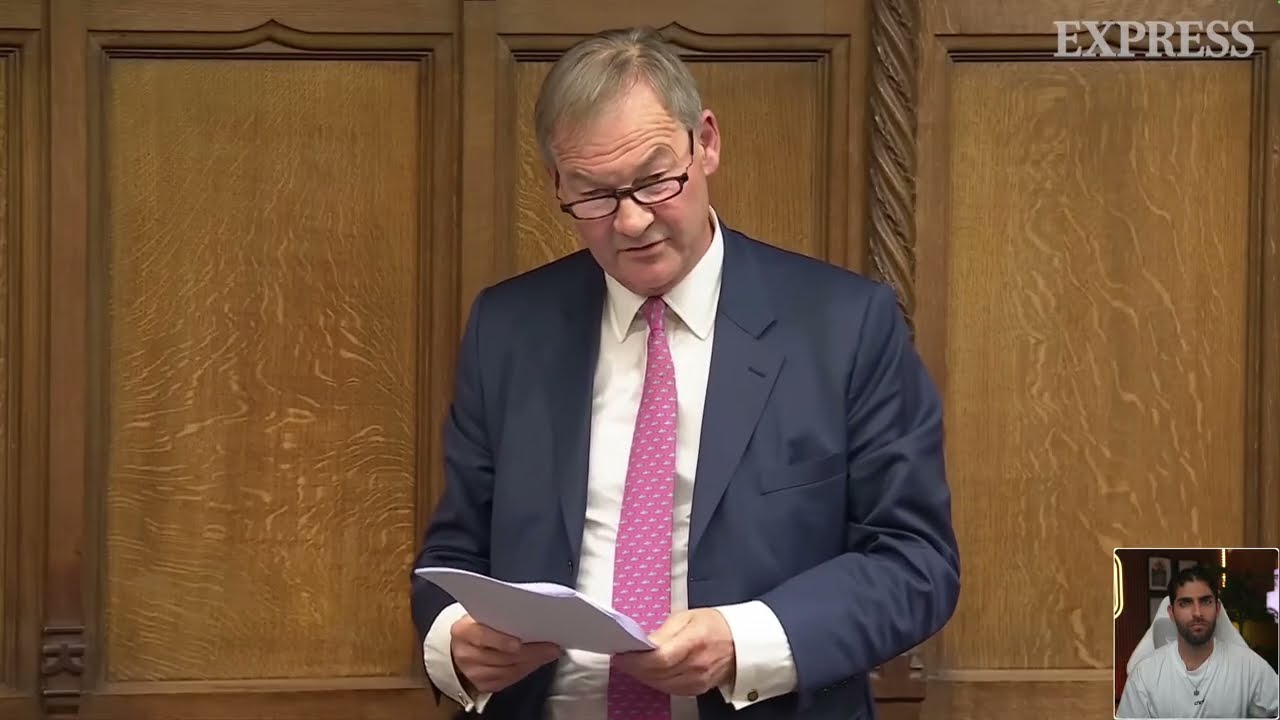
During the parliamentary session, the Reform UK MP presented figures suggesting that more than 53,000 individuals recorded within the immigration system are currently unaccounted for, having either breached immigration bail conditions or absconded after release from detention.
Among them, Lowe said, were 736 foreign national offenders who had served prison sentences in the UK and were scheduled for deportation but have since vanished.
“A Serious Failure of Border Enforcement”
Addressing MPs, Lowe argued that the scale of the problem points to deep weaknesses in how the UK Home Office tracks individuals once they enter the immigration system.
He warned that the missing offenders include individuals convicted of serious crimes, including sexual offences and violent attacks.
For Lowe, the issue is not merely administrative but a matter of national security.
“The failure to track these individuals represents a profound breakdown in border management and public safety,” he told the Commons.
Dispute Over Government Data
Central to Lowe’s argument was a series of parliamentary questions he had submitted to the Home Office seeking detailed figures on absconders and foreign offenders.
In several responses, officials stated that the requested information was not centrally held or could only be compiled at disproportionate cost.
However, Lowe told MPs that internal Home Office data — reportedly supplied by a whistleblower — appears to contain detailed statistics on the same figures.
He suggested the discrepancy raises serious questions about whether Parliament has been given incomplete information about the scale of the issue.
Concerns Over Public Safety
During the debate, Lowe cited several high-profile criminal cases involving foreign nationals as examples of the potential risks posed by failures in the deportation and monitoring system.
He said constituents across the country had contacted him expressing fears about safety in their communities — particularly among women and parents concerned about their children.
For critics of current immigration policy, such incidents underline the urgency of stronger enforcement and more effective tracking mechanisms.
Growing Political Pressure
The Home Office has not confirmed the precise figures cited in the debate, stating that it does not comment on speculation.
However, the issue has become part of a broader political argument over immigration levels, deportations and transparency within the UK’s asylum system.
Lowe said he intends to continue pressing ministers for clearer answers and encouraged whistleblowers within government departments to come forward with further evidence.

A Wider Debate Over Border Control
The Commons exchange highlights a deeper political divide over immigration policy.
Some MPs argue that stricter enforcement, faster deportations and improved data transparency are essential to restoring public confidence.
Others stress the need to balance enforcement with legal protections and international obligations.
Yet the debate made one point unmistakably clear: questions about immigration control and public safety remain among the most politically charged issues facing Westminster.
As scrutiny intensifies, pressure is likely to grow on ministers to demonstrate that the government’s immigration system can both track those within it — and remove those who should not remain in the country.


