
In a move that has left many in the Democratic Party furious, Pennsylvania Senator John Fetterman has pledged to support Markwayne Mullin for the position of Secretary of Homeland Security, following Kristi Noem’s recent departure from the role. The announcement has sparked widespread criticism within the Democratic ranks, with many accusing Fetterman of veering too far from the party line.
A Bold, Controversial Decision

Fetterman’s decision to publicly support Mullin, a Republican Senator from Oklahoma, came immediately after Noem’s exit was confirmed. On X, Fetterman wrote, “I’m not sure how many fellow Democrats will vote to support our colleague @SenMullin as the next DHS Secretary, but I am AYE.” This rapid pledge to support Mullin has caused a stir, especially considering the intense divisions that have marked the ongoing debate over the future of DHS and the broader handling of national security issues.
The backlash from Fetterman’s fellow Democrats was swift. Matt McDermott, a Democratic strategist, criticized the move, commenting, “This is so embarrassing, man. Just resign.” Meanwhile, California Governor Gavin Newsom added his voice to the criticism, calling Markwayne Mullin “erratic” and “unstable,” citing his past actions and statements, including comments made during a Senate hearing in which he had clashed with union workers.
Rising Tensions Over Immigration
Fetterman’s position on immigration has been increasingly contentious. In recent weeks, he has publicly supported U.S. Immigration and Customs Enforcement (ICE) agents, an agency many Democrats have historically criticized. Fetterman stated that ICE agents were “just doing their job,” and expressed frustration with those who treat them as criminals.
However, his unflinching support for Mullin, a figure known for his hard-right stances on immigration and other policies, has sparked questions about Fetterman’s future within the party. Sam Stein, a political journalist and editor of The Bulwark, questioned whether Fetterman’s support for Mullin, given his track record on immigration, is truly aligned with the values he has historically championed.
Mullin’s Path to Confirmation

Despite the controversy surrounding Fetterman’s support, the President has endorsed Markwayne Mullin, praising his Native American roots and asserting that he would “make a spectacular Secretary of Homeland Security.” This endorsement has caused further division, as Democrats are concerned that the Trump-era policies may continue to shape the direction of the DHS under Mullin’s leadership.
Fetterman’s pledge to back Mullin signals the deepening fracture within the Democratic Party over issues of national security, immigration, and government funding. The Senate vote on DHS funding saw Fetterman as the only Democrat to join Republicans in supporting the measure, a move that further alienated him from his party’s base.
Democratic Split Over DHS Funding
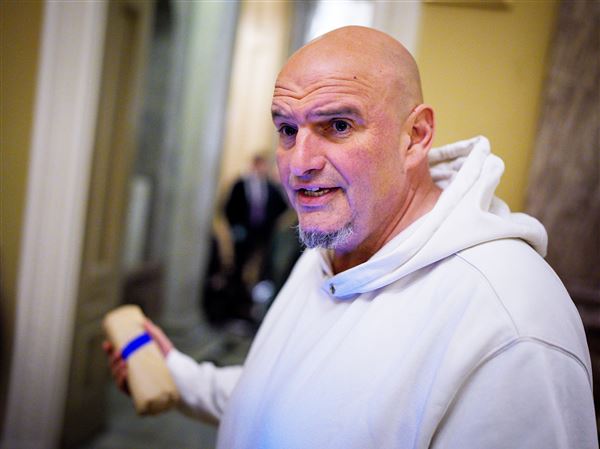
The funding for the Department of Homeland Security has been a hot-button issue, with DHS currently experiencing a funding lapse of 20 days. As the Iran war escalates, there is growing concern over the increased risk of terror threats. On March 5, the Senate vote to fund the DHS failed to meet the required 60 votes, though Fetterman’s support kept it from being a total defeat.
Meanwhile, in the House of Representatives, the majority of Democrats voted against DHS funding, although several moderates joined Republicans in passing the bill. Notable Democrats such as Henry Cuellar of Texas and Marie Gluesenkamp Perez of Washington voted alongside Republicans, adding to the rift within the party.
Looking Ahead
As John Fetterman continues to navigate the complex world of national security politics, his support for Markwayne Mullin could have significant implications for his political future. The fierce backlash from prominent figures within the Democratic Party suggests that his once solid position within the party may be in jeopardy.
The Democratic Party now finds itself divided not only over immigration policy but also over the handling of national security in the Trump era. With Fetterman’s surprising support for a Republican in a key administration role, the party is left to grapple with its own internal fractures—fractures that could impact the party’s strategy heading into the next election cycle.
For now, Fetterman’s alliance with Markwayne Mullin and his stance on DHS funding will continue to fuel debate within the party. Only time will tell whether this move strengthens his position or marks a turning point in his political journey.


