
Rachel Reeves Warns of “Tax Tipping Point” as £75 Billion Levy Threatens UK Economy
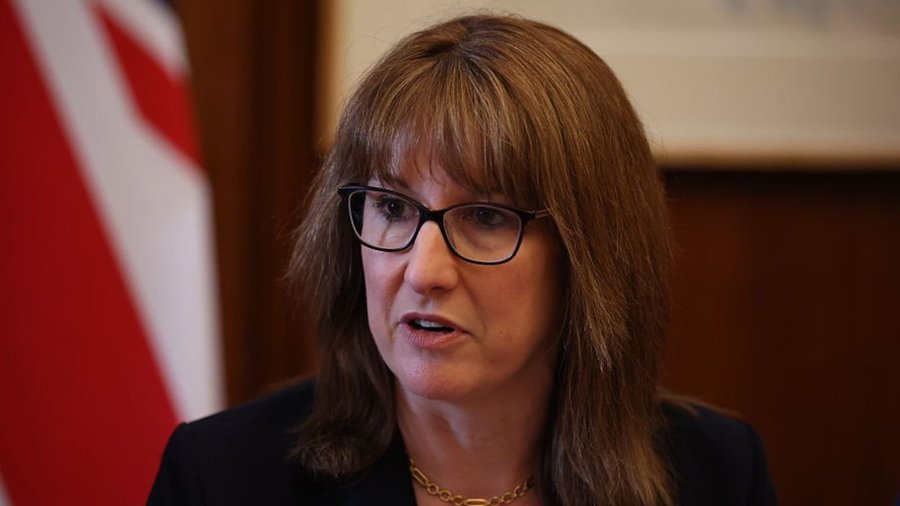
Rachel Reeves, the Chancellor of the Exchequer, is facing growing scrutiny as the UK reaches what experts are calling a “tax tipping point.” With a £75 billion tax hike under her leadership, the UK is now bearing the highest tax burden within the G7 group, just behind France.
Experts warn that the rising tax burden, which has already pushed the overall tax take to above 40%, the highest since World War II, could lead to detrimental effects on economic growth. Critics argue that the increased taxes are reducing incentives to work and stifling business expansion, with the UK economy suffering the slowest growth in the G7. The International Monetary Fund (IMF) has downgraded its 2026 growth forecast for the UK to just 0.8%, marking a steep decline.
Business leaders are voicing concerns over the UK’s escalating tax rates, pointing out that the combination of high taxes and soaring energy costs has left UK businesses at a severe disadvantage. The energy costs in the UK are about 60% higher than in other developed economies, further discouraging investment.

The government’s policy has led many high-income earners to flee to countries with lower tax rates, such as Italy, Monaco, and Dubai, fueling fears that the UK’s approach is causing a brain drain and a loss of potential revenue.

Reeves’ administration continues to face mounting pressure as critics question the long-term sustainability of such high tax rates. The message from those observing the UK’s economic landscape is clear: without a shift in tax policy, the country’s competitiveness and growth potential could be permanently hindered.


