
Rachel Reeves Faces Criticism as Business Tax Increases Threaten 25,000 Jobs
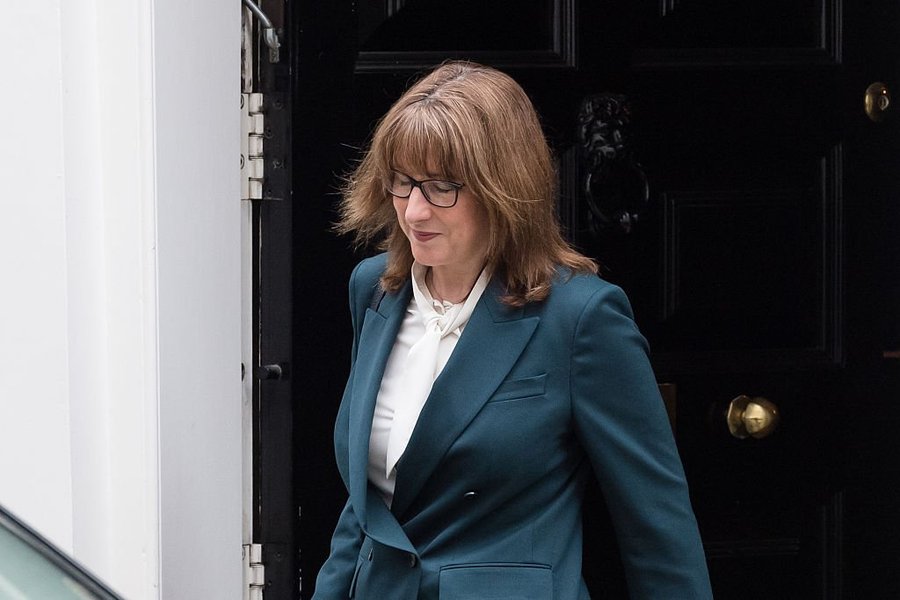
Rachel Reeves, the UK’s Chancellor, is facing growing criticism following the introduction of a significant business tax increase, which could cost up to 25,000 jobs in the manufacturing sector. A new study by Make UK, a trade association representing thousands of manufacturers across the country, reveals that the revised business tax framework is expected to impose a £939 million burden on the industry this year.
The increase, which took effect in April, has been met with alarm, as manufacturers struggle to cope with rising costs amid an already fragile economic environment. Make UK’s research suggests that instead of passing these additional costs on to customers through higher prices, many companies will be forced to cut jobs in an effort to stay afloat.

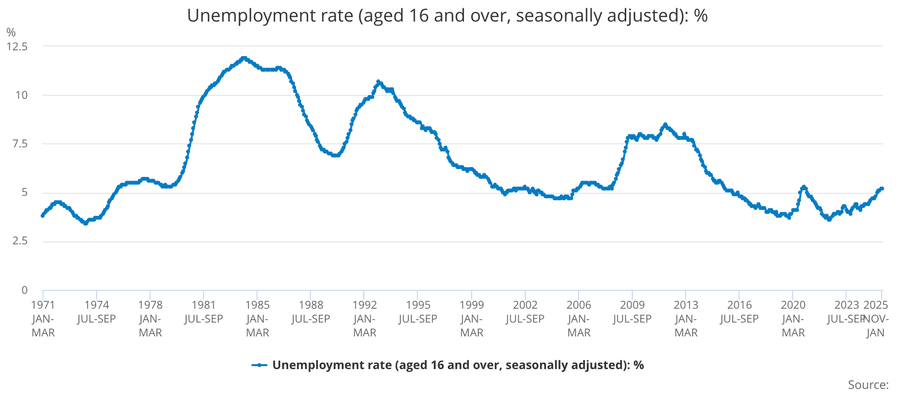
Verity Davidge, Director of Policy at Make UK, commented, “This price increase couldn’t come at a worse time and will undoubtedly deliver a heavy blow to one of the government’s most strategic sectors, which is already grappling with energy costs and rising unemployment—issues that are entirely outside of their control.” She added that, for many companies, simply surviving the current economic climate has been an achievement.
The tax hike comes at a time when the UK is also grappling with the economic fallout from the ongoing conflict in the Middle East, which has contributed to escalating energy costs and inflation. Economists have expressed concerns that these challenges will further exacerbate the job losses, with estimates suggesting up to 100,000 jobs could be lost in the UK over the coming months.
Manufacturers in the UK are particularly affected by the new tax rates, which are determined by the rental value of business properties. Those operating in larger facilities will see a disproportionate increase in their tax bills compared to smaller firms, making it harder for them to compete.
In light of these developments, Make UK is urging the government to reform the business tax system by linking it more closely to a company’s revenue and sales performance, rather than property size. This would ensure that taxes are more aligned with a company’s actual ability to pay, rather than punishing businesses based on the physical scale of their operations.
The increased tax burden is also exacerbated by rising labor costs, with the national minimum wage increasing to £12.71 in April. This adds to the financial pressures employers are already facing, making it more difficult for them to invest in energy-efficient technologies like solar panels, which could have helped mitigate some of the rising energy costs.
As the UK braces for further economic turbulence, the Labour Party’s handling of business taxation and its impact on jobs remains a critical issue. The opposition has been calling for immediate reforms to protect workers and businesses from the growing economic pressures, especially as the country heads into the upcoming local elections.


