
 Lisa Riley, the much-loved Emmerdale star, has been candid about the highs and lows of her remarkable weight-loss journey—and the extreme measures she needed to take to restore her body after shedding an astonishing 12 stone. From diet and exercise to multiple surgical procedures, Riley’s story is one of determination, pain, and unflinching honesty about the toll of massive weight loss.
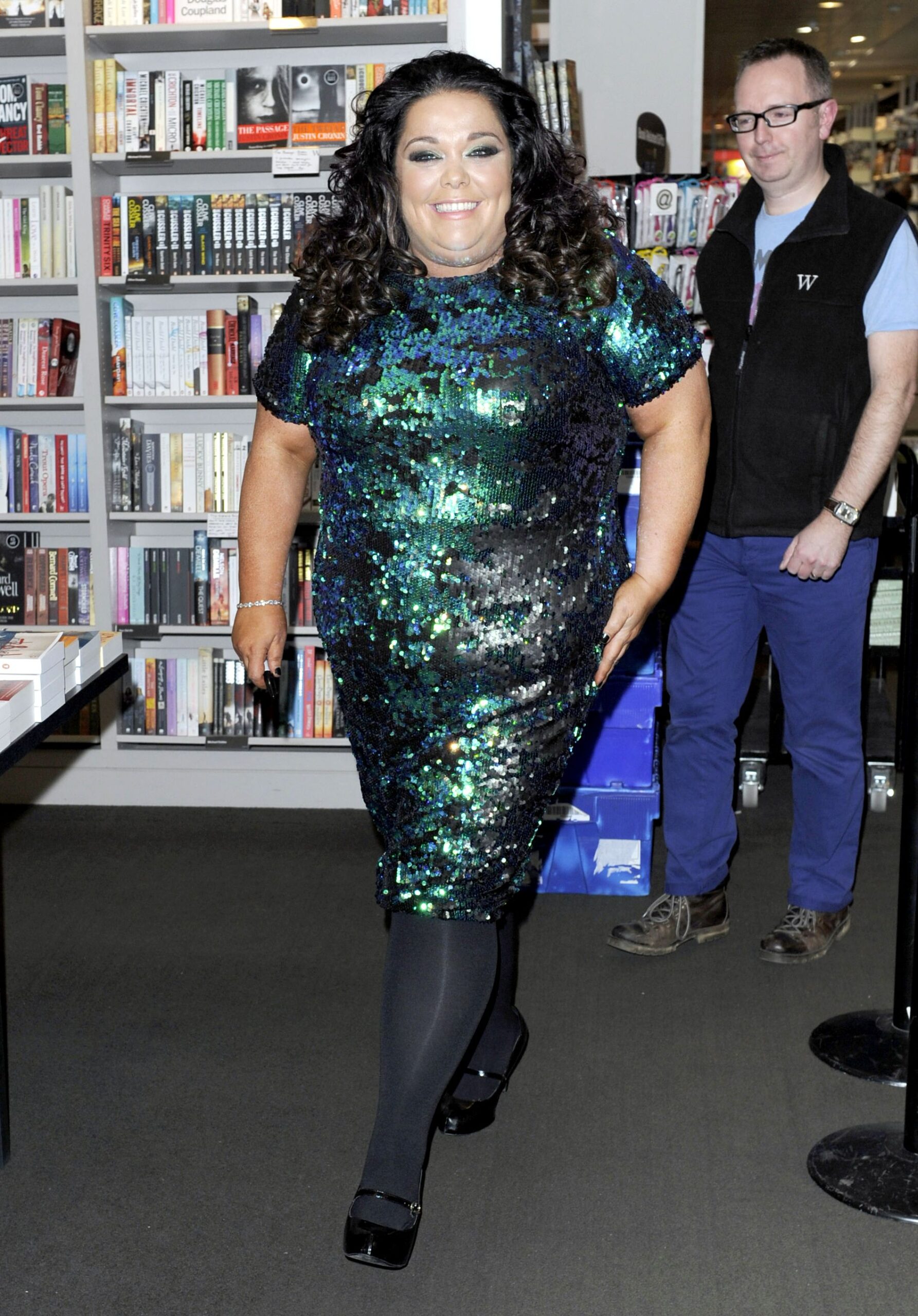 Back in 2020, Riley revealed to the Mirror that after dropping from a size 28 to a size 12, she had to undergo surgery to remove almost one and a half stone of loose skin. “People forget how gigantic I was,” she said. “With the skin removal, I lost 12 stone, one pound. The surgeon chopped off one stone, four pounds.”
The transformation was not simple or cosmetic for vanity alone. Lisa underwent a fleur-de-lis tummy tuck, had her bingo wings removed, got a boob lift, and had excess skin removed from her thighs—a total of four additional procedures to correct the aftermath of her incredible weight loss. She explained that despite her new figure, there were still challenges. “When I made the decision to lose weight, I never for one second imagined that I would end up looking like that,” she admitted. “It never occurred to me that the loose skin would be so bad. I thought, why on earth have I lost all this weight? I looked worse than I did when I was obese. And it was the pain as well. The skin was flapping about and dragging.”
 Lisa’s honesty about the physical and emotional toll of her journey is striking. Ahead of her first surgery in 2017, she revealed the fear she felt: “The night before, I was so petrified that everybody thought I wasn’t going to go through with it. I was thinking that in 11 hours I could be dead. I might not wake up.” The stakes were real. Every procedure carried risk, but for Lisa, the alternative—living with flapping, painful skin—was intolerable.
Her transformation, which took 18 months, was built on hard work and discipline. She swapped takeaways and unhealthy snacks for regular gym sessions and nutritious meals. She took full ownership of her previous lifestyle, telling the press: “Nobody made me eat 50 Twix bars, or a whole packet of sausages at one sitting. I did that to myself. No one made me not go to the gym. Some weeks I was probably having seven takeaways a week. I did that to myself. I have to take responsibility for that.”
 Even after completing her procedures, Lisa faced public scrutiny and false assumptions. “Of course every single day I get accused of having a gastric band,” she said. “I read all the nasty comments and think, why am I even looking at this? I did it through good old-fashioned willpower, driven by me finally wanting to buy nice clothes and underwear.” Her honesty and refusal to hide the truth have made her a relatable and respected figure among fans navigating their own health journeys.
Despite her dramatic transformation, Riley is aware that weight maintenance is a lifelong challenge. Appearing on Loose Women earlier this month, she said, “My weight is going to go up and down all my life, it’s the way I will be.” She acknowledged that fluctuations are natural, and maintaining a realistic, compassionate view of herself is more important than chasing a perfect figure.
Lisa’s story also highlights the psychological impact of weight loss and body transformation. Even after losing a significant amount of weight, the excess skin posed a challenge that affected both her appearance and her comfort. The surgical interventions, though invasive, were a means to restore her confidence and quality of life, allowing her to enjoy the results of her hard work.
Her journey resonates with countless fans who have faced similar struggles. By publicly acknowledging the pain, fear, and discipline required, Lisa dismantles the idea that dramatic weight loss is effortless or purely aesthetic. Instead, her story underscores the importance of persistence, self-awareness, and professional medical support.
Lisa’s approach to wellness combines both personal accountability and professional guidance. Through diet, exercise, and surgical interventions, she achieved a level of health and confidence that she says simply wouldn’t have been possible without a multifaceted approach. She emphasizes that the surgeries were not vanity procedures—they were corrective and restorative.
The star’s openness about the emotional challenges of seeing one’s body in transition also offers valuable insight. After losing 12 stone, she faced the unexpected reality of looking “worse than when I was obese,” a reminder that weight loss can bring complex, sometimes paradoxical, body-image issues. The surgeries helped reconcile that gap between expectation and reality, providing a final layer of physical and emotional resolution.
Lisa Riley’s story is a compelling combination of discipline, vulnerability, and resilience. Her willingness to speak publicly about fear, pain, and responsibility provides a rare, humanizing perspective on celebrity weight loss, far removed from clickbait “overnight transformations” often glorified in the media.
Now, as she continues to embrace a healthy lifestyle and appearances on shows like Tipping Point: Lucky Stars, Riley balances her public persona with personal authenticity. She demonstrates that lasting transformation involves more than a number on the scale—it requires mental fortitude, honest self-reflection, and sometimes, the courage to undergo life-altering medical procedures.
Her message to fans is clear: weight loss is a journey, not a one-off achievement. Challenges such as loose skin, hormonal fluctuations, and public scrutiny are part of the process, and addressing them head-on, as Riley has, is a mark of strength.
From size 28 to size 12, from takeaways to gym sessions, and from fear before surgery to empowerment afterward, Lisa Riley’s journey serves as both inspiration and cautionary tale. She reminds us that transformation is multifaceted, and that embracing support—whether from medical professionals, friends, or oneself—is essential to navigating such profound life changes.
In candidly recounting her journey, Lisa has also opened a broader conversation about weight, body image, and health, particularly for women in the public eye. By highlighting the physical and emotional struggles she faced—even after dramatic weight loss—she validates the experiences of countless fans and underscores the importance of self-compassion, patience, and resilience.
As she continues to embrace her new figure and share her story on television and social media, Riley exemplifies honesty, courage, and determination. Her journey from obesity to health, punctuated by challenging but necessary surgeries, demonstrates that true transformation is rarely simple—and that embracing the full spectrum of the experience is what ultimately leads to confidence, health, and empowerment.


