
Keir Starmer Faces Brexit Backlash Over Plan to Align UK With EU Rules
Prime Minister Keir Starmer is facing fierce criticism after reports emerged that the government is considering plans to align the UK more closely with European Union regulations — a move opponents say could undermine the spirit of Brexit.
The proposal, expected to form part of upcoming legislation aimed at rebuilding relations with the EU, has triggered a fresh political storm across Westminster.
Critics claim the plan could effectively place the UK back under the influence of Brussels by adopting future EU regulations with limited parliamentary scrutiny.
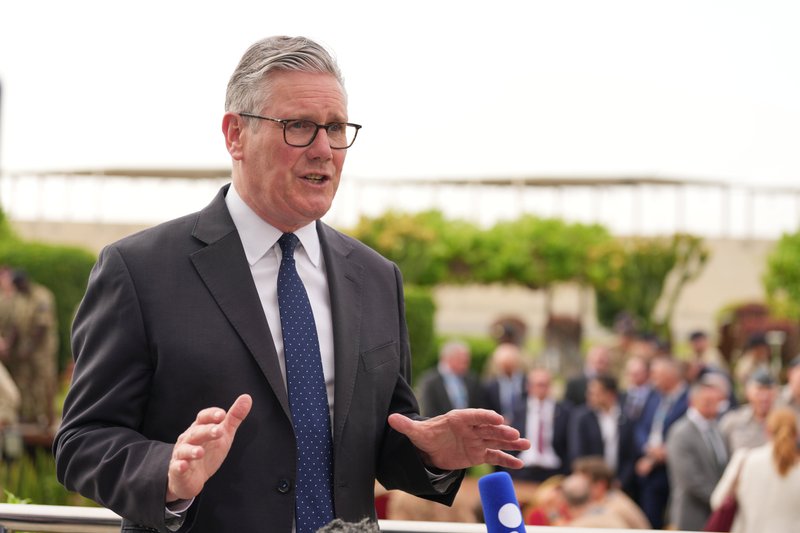
Accusations of a “Brexit Betrayal”
Among the most vocal critics is Nigel Farage, leader of Reform UK, who warned the move would represent a fundamental betrayal of the 2016 referendum result.
Farage accused the government of quietly attempting to pull Britain back into the EU’s regulatory orbit.
“Accepting their rules without a vote is a direct betrayal of the Brexit referendum,” he said. “The British people did not vote to become rule-takers.”
He added that his party would fight the proposal “every step of the way”.
Conservative figures have also criticised the idea, with shadow trade minister Andrew Griffith arguing that Labour remains unwilling to accept the democratic outcome of the Brexit vote.
Government Pushes Back
Government sources, however, have rejected suggestions that Parliament would be sidelined.
Officials insist that MPs would still have a role in approving any agreements with the EU and that legislation would follow normal parliamentary procedures.
According to the government, closer regulatory alignment could unlock significant economic benefits — including a potential £5.1 billion annual food and drink trade deal designed to reduce bureaucracy for British farmers, manufacturers and exporters.
Starmer: “It’s Time to Look Forward”
Speaking about the UK’s future relationship with Europe, Starmer defended the idea of closer cooperation.
Nearly a decade after the Brexit referendum, he argued, Britain must focus on pragmatic solutions rather than revisiting old arguments.
“We need to look forward, not back,” the Prime Minister said. “A stronger relationship with Europe is in the best interests of the United Kingdom.”
Starmer also suggested that reducing trade barriers with the EU could ultimately lower costs for British businesses and consumers.
A Divisive Issue Returns
The debate comes as the UK continues to navigate the long-term consequences of Brexit, with negotiations underway in several key areas including agriculture, energy cooperation and emissions trading.
While supporters believe closer ties could ease trade friction and strengthen the economy, critics warn that any move perceived as diluting Brexit risks reigniting one of the most polarising political debates in modern British history.
For now, Starmer’s proposals appear likely to keep the Brexit argument firmly at the centre of the UK political agenda once again.


