
Keir Starmer Faces Backlash Over Plan to Abolish Jury Trials: Geoffrey Robertson KC Accuses Labour of ‘Betrayal’
Sir Keir Starmer’s mentor, Geoffrey Robertson KC, has sharply criticized the Labour leader’s controversial proposal to axe jury trials for certain criminal cases, accusing him of a “betrayal” of Labour’s traditional values. Robertson, a prominent human rights barrister and founder of Doughty Street Chambers, has warned that the removal of jury trials would undermine the fundamental structure of British criminal justice.
The legislation, led by Justice Secretary David Lammy, would strip defendants facing sentences of up to three years from their right to be tried by a jury of their peers. Robertson has expressed concern that such a move would “dismantle” the justice system, which has long been respected for its fairness and the protection it offers to defendants. He emphasized that the jury system provides two irreplaceable advantages: independence from the state and the ability to show mercy, both essential safeguards for innocent defendants.
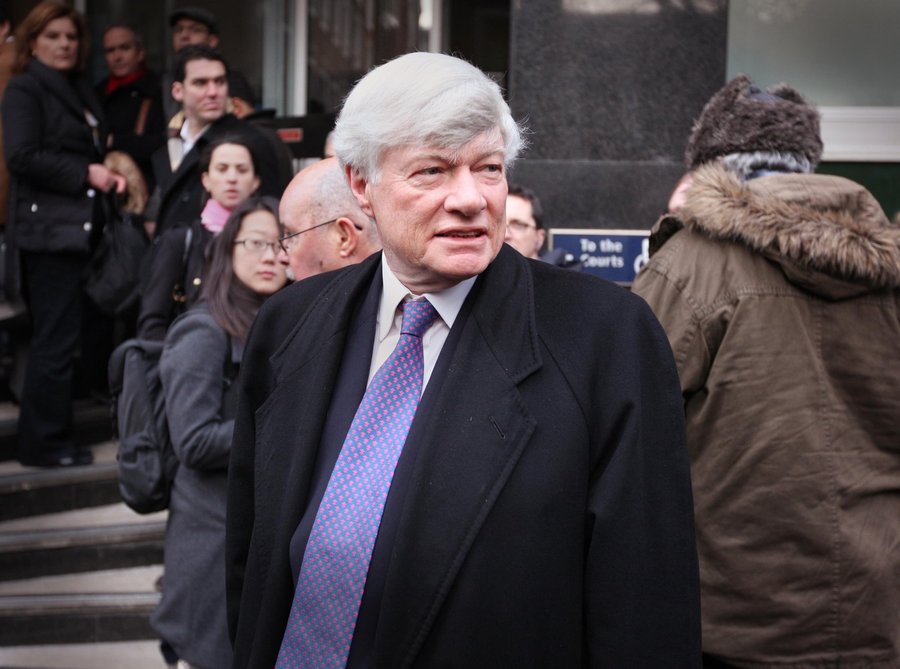
In his response, Robertson described the proposal as “ill-conceived” and “bizarre,” arguing that it would not speed up the justice process but instead could create further delays. He also voiced concerns about the long-term implications for the integrity of the legal system, particularly in cases involving minor offences such as shoplifting, which could carry lasting consequences for defendants’ lives.
The proposal has faced significant opposition not only from within Labour, with up to 60 MPs threatening to vote against it, but also from other political parties, including the Conservatives, Liberal Democrats, and Reform UK. The bill’s critics argue that it would diminish the power of the jury, a key democratic safeguard that has existed in English law for more than 800 years.
Robertson also pointed out the potential risks of a system dominated by judge-only courts, warning that such a system could lead to the erosion of the public’s trust in the justice system. He specifically referenced the case of civil servant Clive Ponting, who was acquitted by a jury in the 1980s for leaking official secrets during the Falklands War, and suggested that under the new proposals, Ponting would have been denied the protection of a jury trial.
This intervention by Robertson adds to the growing debate surrounding the proposed legislation, with critics urging the Government to reconsider its stance and explore alternative solutions to the court backlog, such as a dedicated task force to handle delayed cases or capping the length of court delays.
A Labour source defended the bill, claiming that the current criminal justice system, inherited from the Conservatives, is on the brink of collapse due to a backlog of over 80,000 Crown Court cases. They emphasized that the proposed reforms are necessary to address the crisis and ensure justice is delivered efficiently.
As the legislation moves forward, the debate over the future of jury trials in the UK is set to intensify, with both legal and political experts warning of its potential consequences for the rule of law and democratic principles.


