
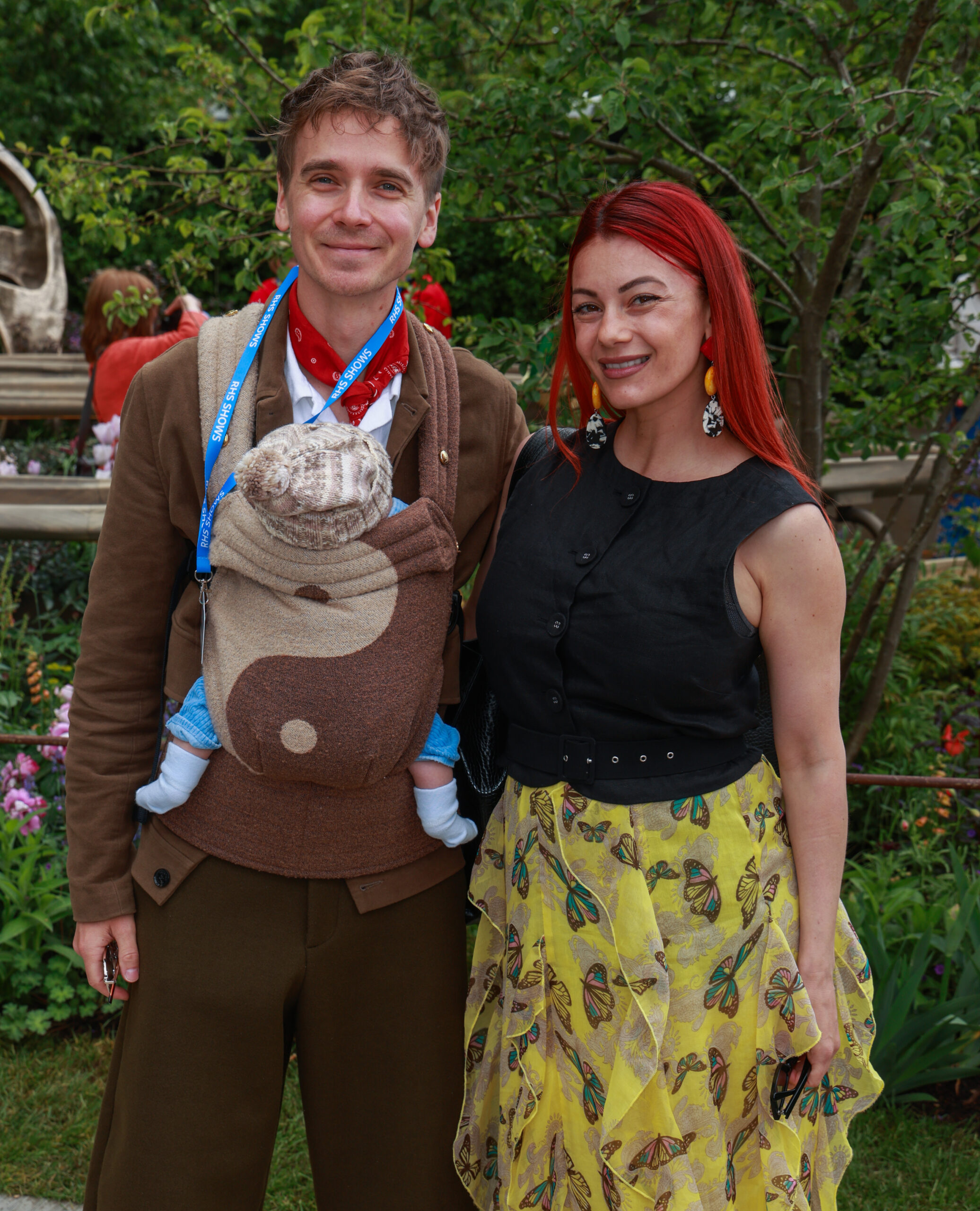
 Joe Sugg and Dianne Buswell have found themselves at the centre of a heated parenting debate after fans raised concerns over how much of their baby son, Bowden, they have been sharing online.
The couple, who first won hearts after being partnered together on Strictly Come Dancing, welcomed their first child in March and have since delighted supporters with glimpses of their new life as parents. Baby Bowden, affectionately nicknamed Bowie, has already become a familiar little face to many of their followers, appearing in sweet social media posts and family vlogs as Joe and Dianne adjust to parenthood.
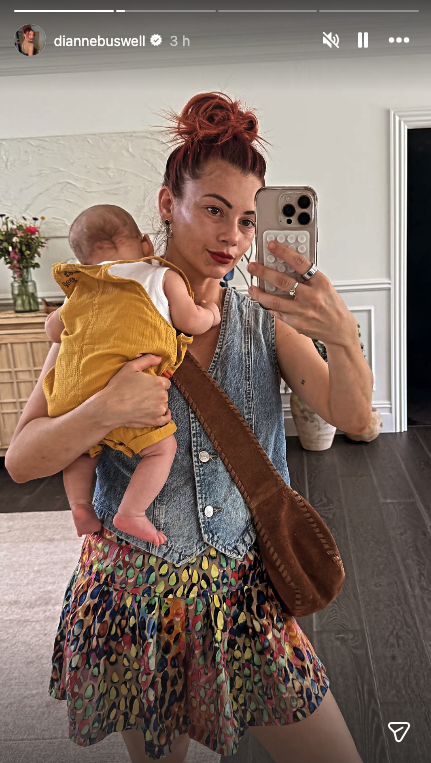 But while many fans have gushed over the adorable updates, others are now warning the couple that they may be sharing too much — and that their son is too young to understand, agree to or consent to being visible on such public platforms. 👶
The debate erupted after viewers discussed Dianne’s latest vlog online, with some questioning whether it was wise for two internet-famous parents to show their baby so frequently. Joe built his career on YouTube and social media, while Dianne has a huge fanbase from Strictly, meaning anything they post can quickly reach thousands, if not millions, of people.
For some fans, that level of exposure has raised alarm bells.
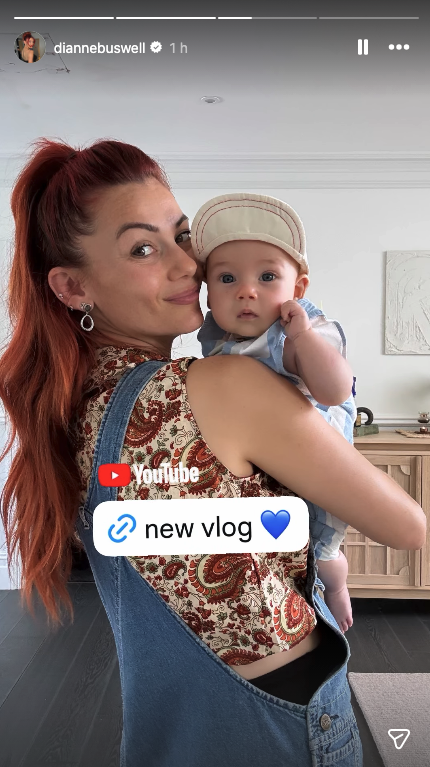 One viewer admitted they found it “weird” how much of baby Bowden the couple appear to share, stressing that while every family has different boundaries, Joe and Dianne’s public profile makes the situation more complicated. The fan also referenced a previous moment where the baby was allegedly included in sponsored-style content while in the bath, which some viewers felt crossed a line.
That comment opened the floodgates, with others weighing in on the increasingly controversial issue of “sharenting” — the modern habit of parents documenting their children’s lives online before the children are old enough to have any say in it.
One critic argued that babies and children should not be posted publicly at all, especially by influencers whose audiences often form intense parasocial relationships with them. Another claimed it was wrong to monetise a child’s image, saying bluntly that a baby “cannot consent.”
The strongest reactions came from those who felt Joe and Dianne, because of their internet careers, should understand the risks better than most. Critics argued that social media can be an unsafe space, particularly for images of young children, and that public figures have a responsibility to think carefully about what they share.
Some even said they were surprised by Joe in particular, suggesting they expected him to be more guarded given his long history online. Instead, they claimed, he and Dianne have appeared comfortable letting fans see their baby as part of their family content.
For critics, the concern is not that Joe and Dianne do not love their son. Nobody is suggesting that. The issue is whether love, pride and excitement are enough reason to place a child’s face, routines and early life moments in front of a massive audience. ⚠️
It is a debate many celebrity parents now face. Fans want updates. Followers feel emotionally invested. Cute baby content performs well. But children grow up, and the internet does not forget. What feels like a harmless family moment today could become part of a digital footprint the child never chose.
That is the uncomfortable question at the heart of the backlash: when parents are public figures, where does sharing end and overexposure begin?
Joe and Dianne have not built their brands on scandal or controversy. Quite the opposite. Their relationship has long been seen as one of Strictly’s sweetest success stories. They met on the BBC dance competition, developed a real-life romance after the show, and have since shared milestones with fans who have followed them for years. Their pregnancy announcement, birth updates and early parenting posts were met with huge excitement from supporters.
For many followers, seeing baby Bowie is simply part of that journey. They watched Joe and Dianne fall in love, build a home and become parents. To them, the baby photos are not exploitation — they are happy family memories shared by proud new parents.
That is why plenty of fans have rushed to defend the couple.
Some argued that Joe and Dianne are clearly besotted with their son and are simply enjoying the first months of parenthood. Others pointed out that many parents share pictures of their children online, famous or not, and that the couple should be allowed to make their own decisions. One supporter suggested they may choose to hide Bowden’s face as he gets older, as many celebrities do once their children begin school or become more recognisable.
Another fan said they had seen nothing troubling in the couple’s posts, only two new parents deeply in love with each other and their newborn. They pushed back against the harsh criticism, arguing that calling Joe and Dianne irresponsible or exploitative felt unfair and extreme.
That split reaction shows just how sensitive the topic has become. 💬
To some, posting children online is a normal part of modern family life. To others, it is a serious privacy issue that future generations may come to resent. The debate becomes even sharper when money, fame and brand partnerships enter the picture.
Joe’s career has always lived online. Vlogging, social media updates and personal content are part of how he connects with his audience. Dianne, too, has built a public profile that extends far beyond the Strictly ballroom. Their fans expect access, warmth and personal moments. But now that they are parents, the boundaries around that access are being questioned.
The challenge for influencer parents is that their child can quickly become part of the content ecosystem without ever choosing that role. A baby cannot understand followers, screenshots, sponsorships or permanent digital archives. They cannot say whether they want their bath time, milestones, outfits or private family moments shared with strangers.
That is why critics are urging caution rather than simply attacking the couple.
The concern is not only about embarrassment in the future. It is also about safety, image misuse and the way online audiences can develop a sense of ownership over children they have watched grow up through a screen. The more a child is shown, the more familiar strangers may feel with them — and for many parents, that is exactly the risk.
Still, Joe and Dianne’s defenders insist the couple deserve more trust. They argue that the pair know their audience, love their son and are unlikely to make decisions without thought. They also note that viewers who criticise baby content often still watch it, creating the very demand that encourages influencers to keep posting.
For now, the backlash has not turned into a full public scandal, but it has sparked a serious conversation around baby Bowden’s privacy. And as he grows older, the pressure on Joe and Dianne to define firmer boundaries may only increase.
They are proud parents. Their fans are excited. Their baby is adored. But in the age of social media, even the sweetest family updates can become controversial when a child’s future privacy is part of the equation.
For Joe Sugg and Dianne Buswell, the message from concerned fans is clear: enjoy parenthood, share the joy — but think carefully before letting the internet watch too closely. 👶✨


