
 Jameela Jamil, the former T4 presenter and actress known for her outspoken advocacy and fearless persona, has revealed she is recovering from a mental breakdown following a horrifying experience. In a heartfelt post on Substack, also shared with her Instagram followers, Jameela described a recent incident in which “a man tried to kidnap her,” triggering a cascade of trauma that she says has derailed her life.
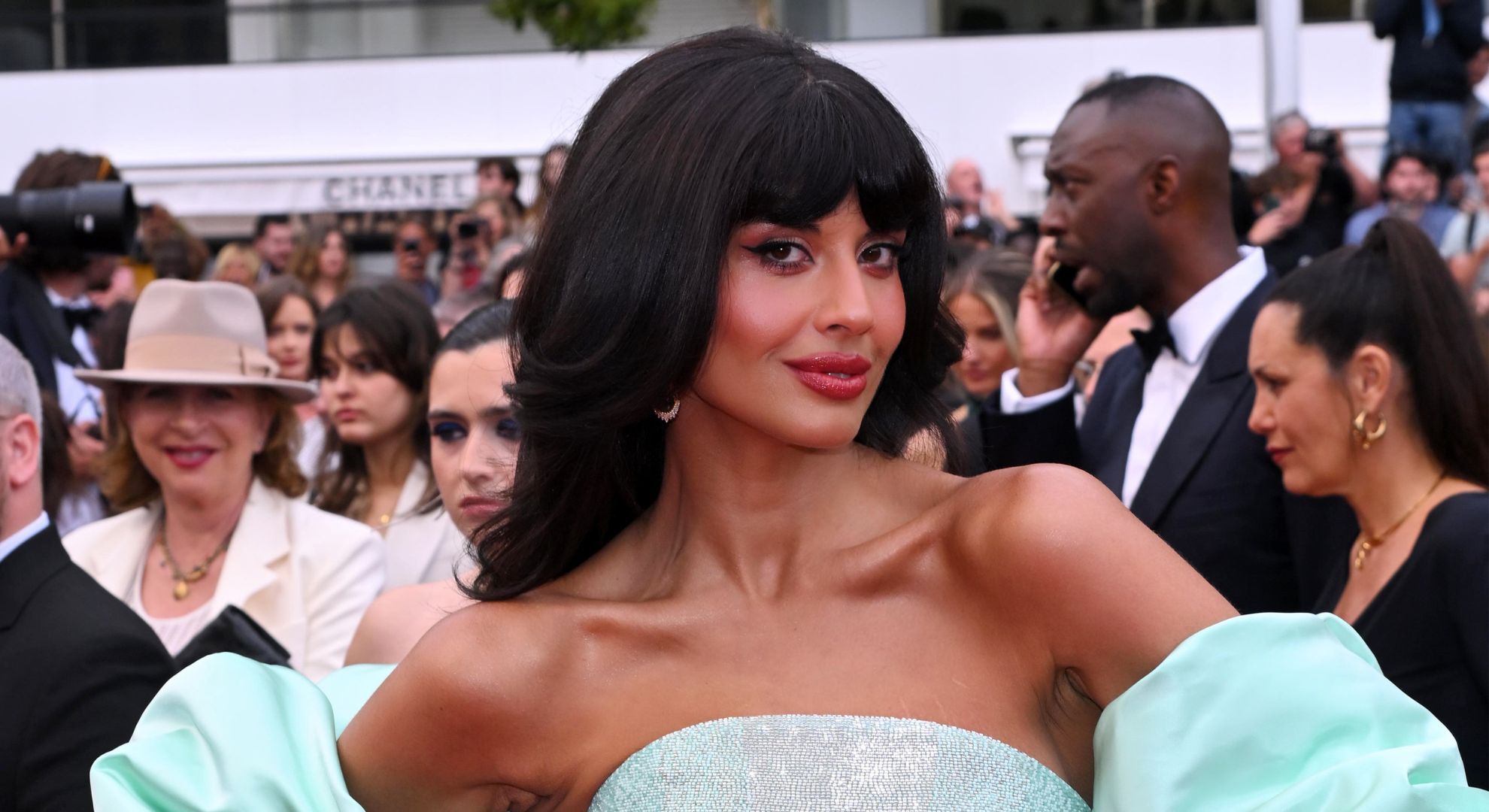 The 36-year-old star explained that the attack occurred months ago, when she accidentally stumbled into a dangerous situation. “He terrifyingly called for back up as I ran from him. This was coordinated, but not targeted. I just stumbled accidentally into the line of fire… where men take women and girls, for profit,” she recounted. Despite the terrifying circumstances, Jameela was able to defend herself and escape to safety, but the experience reopened old wounds, forcing her to confront unresolved trauma from earlier in her life.


She candidly admitted that in the aftermath, she had moments where she froze instead of fighting, describing the sensation as a full-body shutdown that intensified previous anxieties. “All the times I froze, when my body wanted to fight, kicked me headfirst into a whirlpool of previously unresolved trauma,” she wrote. The mental toll was immediate and profound, pushing her into a state she described as Dorsal Vagal Shutdown, a medical term for a complete collapse of the nervous system caused by insurmountable distress.
Jameela described the experience as disorienting and alien: “I honestly felt like an alien who had in some sort of clerical error, been housed in someone’s body. I kept wondering when the original woman (ME) would be back. Because I didn’t want her (MY) life. (Rude.)” Her words paint a vivid picture of the intense psychological impact, highlighting just how deeply violence can affect the mind and body.
Despite the trauma, Jameela’s post was not only a personal reflection but also a message of hope and support for others. She explained: “I decided to put it all down as a lighthouse for anyone who may be struggling with what I have been dealing with. I found my way out and wanted to offer you some possible solutions. I’m on day 5 of full recovery so be chill.” The actress emphasized that recovery, though difficult, is possible and encouraged openness about mental health struggles following traumatic events.
The revelations come at a time when Jameela has been vocal about her advocacy for women’s rights, body positivity, and mental health awareness. Her willingness to share such a personal and terrifying experience underscores her commitment to using her platform to shed light on issues often left in the shadows. By speaking out, she is breaking the stigma surrounding the psychological aftermath of violent encounters, especially those involving women.
Fans and fellow celebrities were quick to respond with messages of support and solidarity. Former Loose Women star Andrea McLean commented on Instagram: “Jeez, I’m so sorry to hear this, Jameela.” Other followers shared their own experiences, with one writing: “I feel this deeply, almost got kidnapped a couple of years ago & it was… an interesting aftermath.” Messages of love and encouragement poured in, reinforcing the importance of community and shared experiences in the healing process.
Jameela’s account also highlights the physical and psychological complexity of surviving trauma. She described the initial terror and adrenaline, the moments of instinctive freezing, and the subsequent mental breakdown as intertwined layers of experience. “I was attacked, and reacted in a way that derailed my entire life,” she said, emphasizing how trauma can ripple through every aspect of daily existence, from personal confidence to professional responsibilities.
In her Substack post, Jameela elaborated on the broader implications of such experiences. She reflected on the lack of guidance and support for individuals dealing with the aftermath of violence. “There is so little support or information for the aftermath of violence and the general phenomena of what we are all experiencing on some level with our nervous systems,” she wrote. Her words serve as a powerful call for increased awareness and mental health resources for survivors of trauma.
Despite the intensity of the ordeal, Jameela’s account also conveys a sense of resilience and empowerment. By confronting her fears, acknowledging the mental breakdown, and sharing the journey publicly, she demonstrates how vulnerability can coexist with strength. Her post encourages others who have experienced violence or trauma to seek help, speak openly, and prioritize recovery.
The story has resonated deeply with her audience, many of whom praised her for bravery and honesty. One Instagram follower commented: “So happy you’re ok and incredible that you’re sharing during such a deep time of healing, sending love and support.” Another wrote: “Sending you love! This should never happen, I’m sorry and thank you for sharing with us.” The outpouring of empathy highlights how personal narratives can foster connection, awareness, and collective healing.
Jameela’s reflection also draws attention to the lasting effects of trauma on the nervous system. She emphasized that even after escaping physical danger, the psychological aftermath can manifest in powerful and disorienting ways. By naming her condition, explaining Dorsal Vagal Shutdown, and detailing her emotional state, Jameela educates her followers on the realities of trauma, illustrating that recovery is both a psychological and physiological process.
In her Substack post, Jameela underscored the need for practical strategies and support networks for survivors. She framed her own recovery as a roadmap, offering suggestions and insights to anyone facing similar challenges. This blend of personal vulnerability and proactive guidance provides a compelling model for using lived experiences to help others, turning a terrifying event into a source of communal learning and resilience.
The post also reflects Jameela’s characteristic honesty and humor, even in the midst of adversity. Her description of feeling like an “alien housed in someone’s body” captures both the disorientation of trauma and her ability to articulate it in relatable, vivid terms. This openness helps normalize discussions around mental health and traumatic experiences, breaking down barriers for others who may struggle in silence.
As she continues her recovery, Jameela emphasizes the importance of patience, self-care, and professional support. Her account is not only a personal catharsis but also a resource for awareness, empathy, and advocacy. By openly acknowledging the terror, the breakdown, and the slow journey toward stability, Jameela offers both inspiration and guidance to anyone navigating similar circumstances.
Ultimately, Jameela Jamil’s story is a reminder of the unseen struggles many face following traumatic events. Her courage in sharing the details of the alleged kidnap attempt, the mental breakdown, and the road to recovery underscores the resilience of survivors and the critical importance of mental health support.
Fans, fellow celebrities, and followers continue to rally around her, sending messages of love, solidarity, and encouragement. As Jameela herself stated, “I found my way out and wanted to offer you some possible solutions. I’m on day 5 of full recovery so be chill.” Her transparency transforms a terrifying personal ordeal into a powerful narrative of survival, healing, and advocacy, proving that even in the darkest moments, sharing one’s story can light the way for others.


