
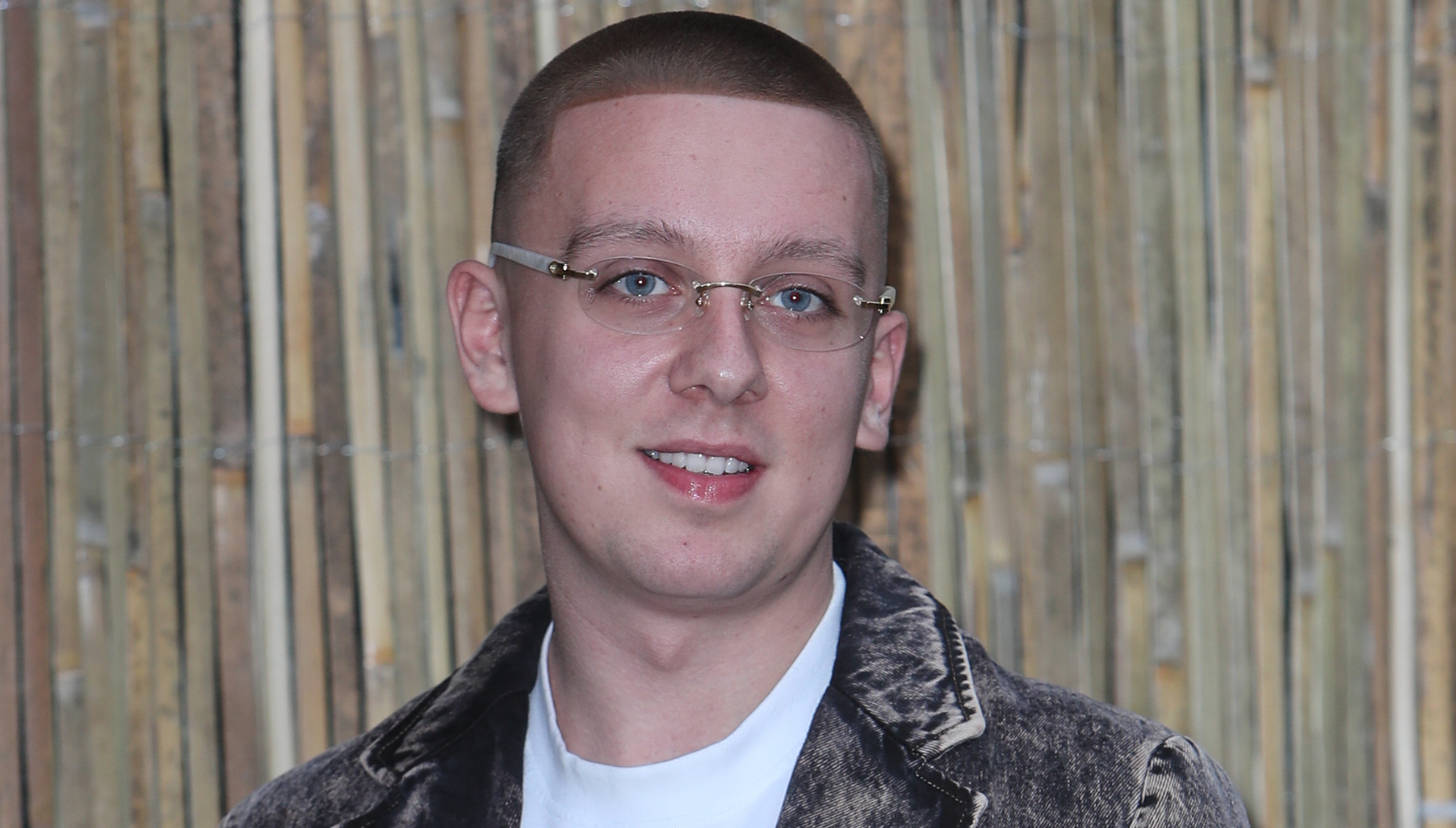
In a tear-jerking, eye-opening moment on The Assembly, Aitch, the chart-topping rapper known for his hit songs and street-smart persona, delivered an emotional plea for a radical shift in how we view Down Syndrome. What started as a simple interview quickly escalated into a stirring reflection on family, love, and the rights of the disabled, sparking a nationwide conversation that left fans and critics alike reeling. But it was his shocking comments about abortion laws relating to Down Syndrome that truly sent shockwaves through the audience.
Aitch, whose real name is Harrison Armstrong, has always been fiercely protective of his 16-year-old sister, Gracie, who was born with Down Syndrome. In his most vulnerable moment on the show, Aitch revealed the immense impact Gracie has had on his life, admitting that, despite the world’s view, her condition is not something to be pitied—it’s a blessing. His voice shook with emotion as he described how, from the moment she was born, Gracie taught him invaluable lessons about resilience, joy, and unconditional love.
A Heartfelt Tribute to Gracie: A Brother’s Love That Knows No Bounds
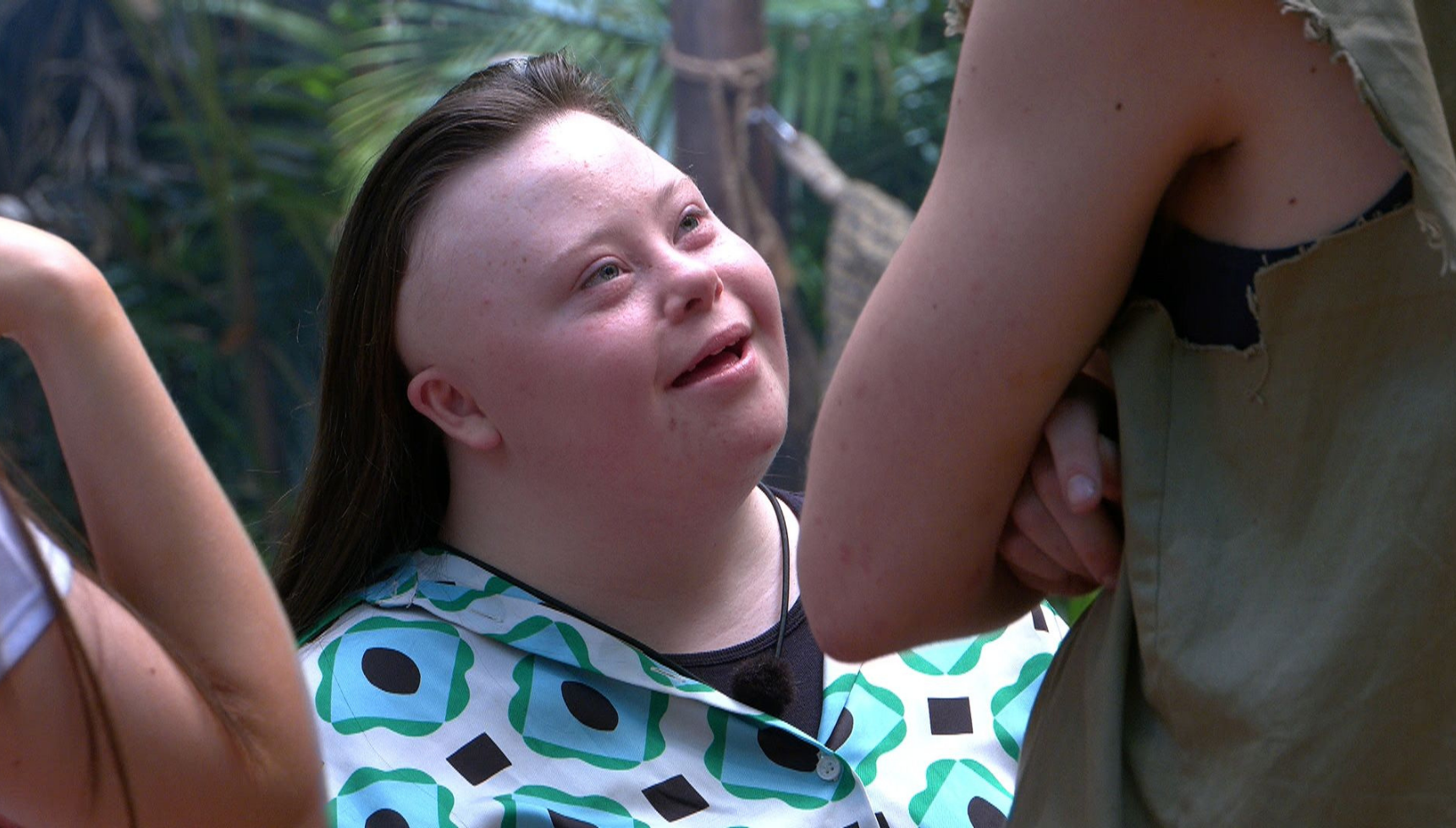
For Aitch, Gracie is the epitome of strength and beauty. He boldly shared: “I don’t want anyone to feel sorry when they hear someone in the family has Down Syndrome. It’s not something negative. It’s a blessing. The time you’ll have with them will be the best of your life.” His unwavering conviction reverberated through the room, leaving not a single dry eye among those watching. It’s clear that Aitch is on a mission: to make sure no one, especially those with Down Syndrome, feels like they’re less than anyone else.
A Personal Mission to Change Perceptions and Raise Awareness
This is why Aitch chose to appear on The Assembly—a platform he admits he wasn’t familiar with before joining. It wasn’t about fame or publicity. It wasn’t about the limelight. For Aitch, it was deeply personal. His sister, Gracie, and the message she has gifted him for life, was the driving force behind his decision. The rapper, a passionate advocate for the Down’s Syndrome Association, confessed that he wanted to use his voice to challenge the negative stereotypes that surround people with disabilities.
He shared with the show’s team of neurodivergent interviewers: “I didn’t know what to expect, but when I left that building, I wanted to do it every day. It gave me faith in humanity. It was a breath of fresh air.” Aitch’s heartfelt words weren’t just about raising awareness—they were about showing love, understanding, and respect to every person with a disability, whether visible or invisible.
The Shocking Truth Behind Abortion Laws and Their Impact on Families

But it was Aitch’s candid remarks about abortion laws related to Down Syndrome that left a lasting mark. In a deeply emotional segment, Aitch made a shocking revelation about the current laws governing abortion in the UK. He revealed his growing disgust as he learned that a woman can still legally terminate a pregnancy just one day before giving birth, if it’s discovered that the baby has Down Syndrome. But if a baby is born without such a condition, the window for termination is far narrower.
Aitch’s reaction was one of pure disbelief. “It makes me feel sick,” he admitted, his voice thick with emotion. He described how the concept of terminating a child’s life based on a diagnosis, particularly one as misunderstood as Down Syndrome, is something that “just doesn’t sit right.” His comments struck a chord with viewers, calling attention to a deeply problematic area of law that has remained largely untouched for far too long.
“I don’t think a diagnosis should define a child’s future,” he continued, his words hanging heavy in the air. “Every life is valuable, and every person—regardless of their condition—deserves a chance to live.”
A Call to Action: Let’s Change the Narrative

Aitch’s powerful words have undoubtedly sparked a conversation that will resonate for weeks to come. His insistence that people with Down Syndrome be celebrated, not pitied, is a message that challenges deeply ingrained societal attitudes. In the face of an often unyielding world, Aitch is using his platform to advocate for change—a call for society to shift its perspective and to embrace the beauty of difference.
As the show came to an end, Aitch’s emotional story was not just a reflection on his sister, but a rallying cry for the disabled community. His words echoed the urgency of accepting others as they are, with no fear or shame. As he wrapped up his segment, Aitch’s plea couldn’t have been clearer: it’s time for change, time to stop seeing Down Syndrome as something to be feared, and time to start seeing it for what it truly is—a blessing, not a burden.
In an era where issues of disability rights are too often overlooked, Aitch’s emotional plea serves as a powerful reminder that the fight for equality, compassion, and understanding is far from over. And, as Aitch would say, it’s time to make some noise about it.


