
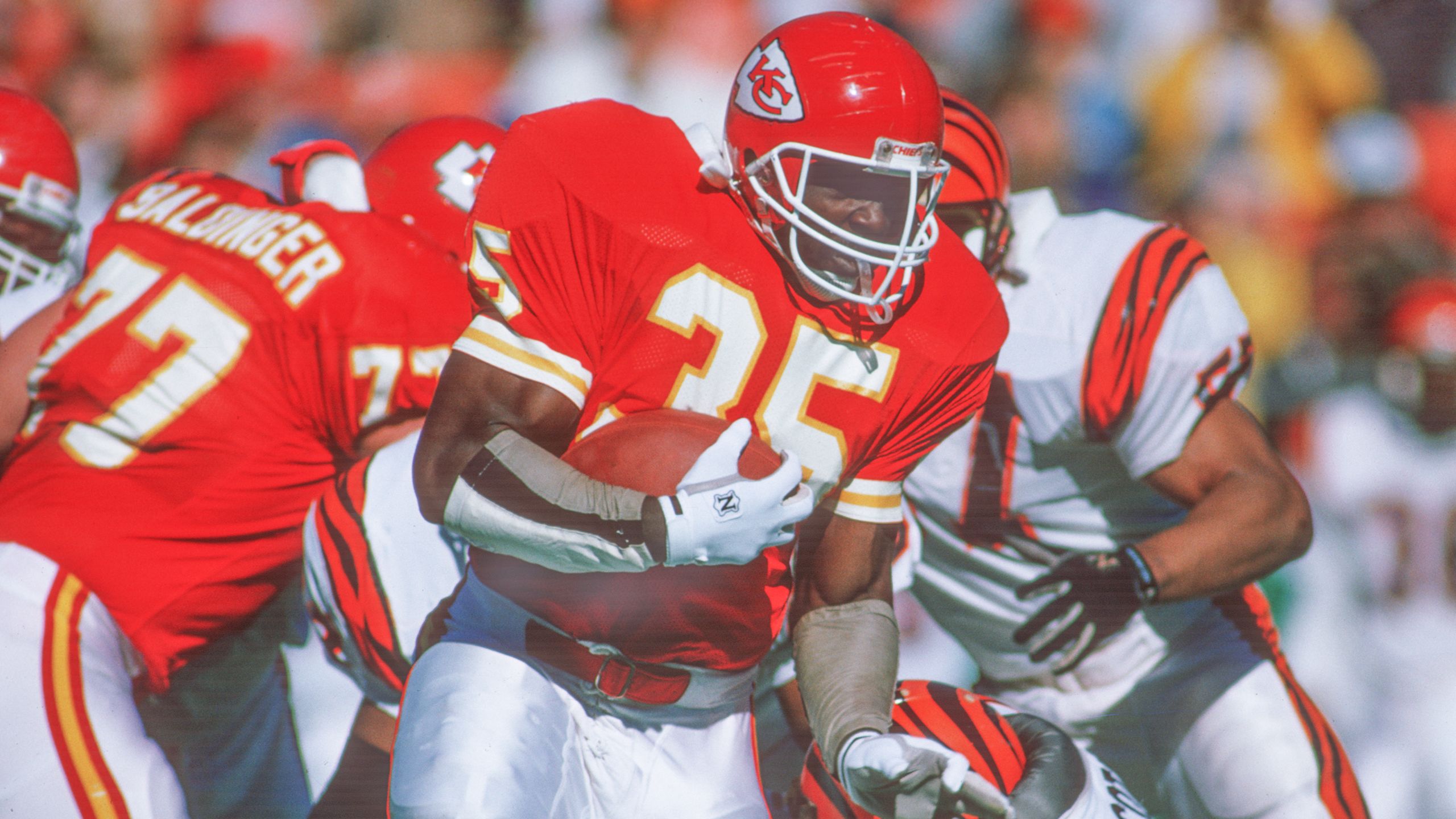
 Christian Okoye, a former player for the Kansas City Chiefs, recently shared a chilling story from his playing days, shedding light on the potentially life-threatening nature of some NFL training drills. The former running back, who was known for his powerful running style, recounted a terrifying experience during a high-intensity drill designed to sharpen tackling skills, a session that nearly resulted in a severe injury.
The Intense Drill That Nearly Ended Okoye’s Career
 In the training session, Okoye was subjected to brutal physical contact designed to push players to their limits. He vividly recalled the moment when the drill took a dangerous turn. “I couldn’t move. I couldn’t get up,” Okoye said, reflecting on the fear and helplessness he felt. The drill involved high-impact collisions, forcing players to endure extreme stress on their bodies, and left Okoye unable to function normally, with the threat of paralysis looming.
The drill, which tested the endurance and resilience of players by placing them in situations of high physical demand, ultimately led to its ban by the NFL. This was a significant move in the league’s ongoing efforts to address player safety and minimize the risk of severe injury.
Why the Drill Was So Dangerous
The high-risk nature of the exercise, with its aggressive physical demands, highlighted the darker side of training in professional football. Coaches often implement rigorous drills to prepare players for the brutal realities of the game, but Okoye’s story serves as a stark reminder of the fine line between effective preparation and reckless risk-taking.
The NFL’s Decision to Ban the Drill
 The NFL, recognizing the potential harm these kinds of drills posed to players, made the important decision to ban them. The ban was seen as a necessary step to protect players from unnecessary risk and to foster a safer training environment. This decision was part of a broader initiative by the NFL to prioritize player safety, addressing concerns about concussions, long-term injuries, and the physical toll the sport takes on athletes.
The Ongoing Conversation About Player Safety
 Okoye’s experience has sparked renewed conversation around player safety, particularly when it comes to training methods. Over the years, the NFL has made significant strides in introducing protocols aimed at reducing injuries. These include rules on practice intensity, mandatory rest periods, and changes to the way tackles and collisions are executed during training sessions.
However, despite these efforts, there are still concerns about the long-term effects of the sport. Many players push their bodies to extreme limits to maintain competitive advantage, but at what cost? Okoye’s story emphasizes the need for a careful balance between effective training and player safety, urging both teams and the league to prioritize health over performance in some cases.
A Cautionary Tale for Future Players
 Christian Okoye’s experience serves as a cautionary tale for current and future NFL players. His story is a reminder of the importance of well-being and the physical risks inherent in professional football. As the league continues to evolve, it must constantly reassess training methods to ensure that the pursuit of excellence doesn’t come at the expense of player health.
In conclusion, Okoye’s harrowing account of his training ordeal and the NFL’s subsequent decision to ban the drill highlight the importance of reevaluating practices in the league. By learning from past mistakes, the NFL can work toward creating a safer, more sustainable environment for its athletes, ensuring that players are able to continue pursuing their careers without jeopardizing their long-term health.


