
Chancellor Rachel Reeves Joins G7 Emergency Virtual Meeting Amid Rising Oil Prices and Growing Cost of Living Crisis
Chancellor Rachel Reeves is set to attend an emergency virtual G7 meeting today, as soaring oil prices threaten to exacerbate the already severe cost of living crisis faced by British households. Brent crude oil has surged beyond $116 a barrel ahead of the crucial call, where Ms. Reeves will be joined by Energy Secretary Ed Miliband to discuss the impact of Iran’s closure of the strategic Strait of Hormuz. The closure has caused a ripple effect on global energy markets, further driving up fuel costs.
The virtual summit will see Ms. Reeves advocating for a global shift towards renewable energy, urging G7 counterparts to accelerate efforts in moving away from fossil fuels. She is expected to emphasize that transitioning to cleaner energy is the only sustainable solution to shield consumers from the volatility of the global oil market.
As petrol prices continue to climb following recent tensions in the Middle East, including the US and Israel’s involvement in strikes on Iran, UK ministers are scrambling to manage the situation. However, the government has played down the likelihood of fuel shortages. Education Secretary Bridget Phillipson reassured the public on Sunday, urging drivers to “fill up their cars as normal,” while Downing Street confirmed that petrol stations across the country remain well-stocked.
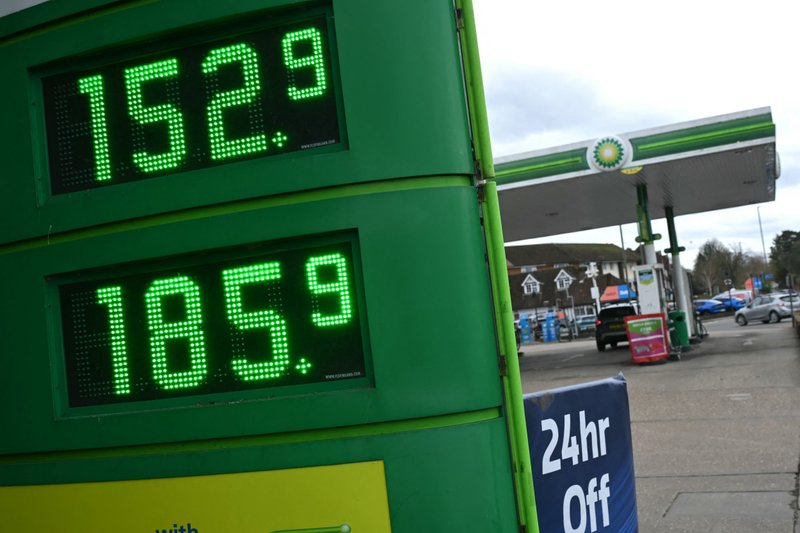
Despite these reassurances, the rising cost of petrol—currently 181.2p per litre for diesel and 152.0p for petrol—has intensified public concern. As the government faces mounting pressure, ministers have yet to announce measures to alleviate the strain on consumers, particularly as global markets continue to reel from instability in the Middle East.
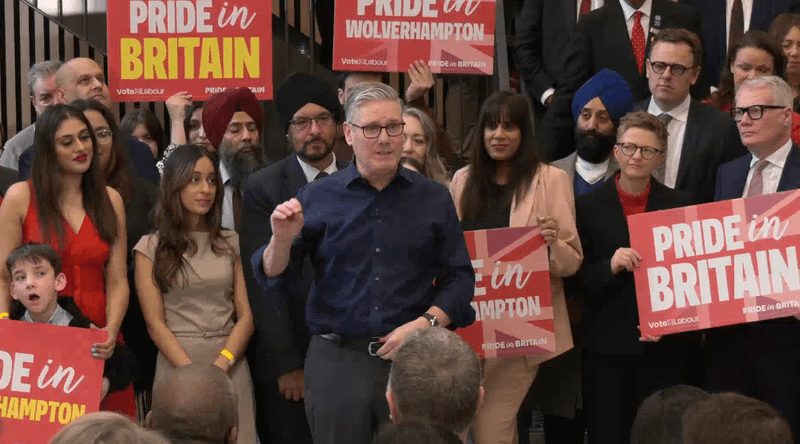
The Prime Minister is hosting a separate meeting at No. 10 Downing Street with energy suppliers, shipping, and insurance experts to discuss the broader implications of the Iranian crisis. With the G7 meeting focusing on the fallout from the closure of the Strait of Hormuz, global markets are on edge, and further tensions—such as threats from Donald Trump to seize Iran’s Kharg Island—are only heightening fears of further disruptions.
As petrol prices skyrocket, some countries, including Australia and Bangladesh, have already introduced measures to mitigate the impact of soaring energy costs. Australia plans to halve its fuel tax, while Bangladesh has instructed civil servants to cut down on energy consumption.
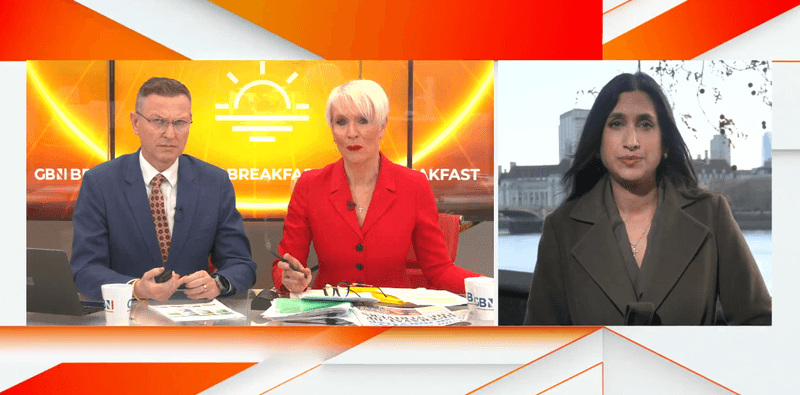
The UK government faces tough decisions ahead, and the ongoing talks at both national and international levels are crucial in determining how to shield households from the devastating economic consequences of this energy crisis.


