
Starmer Under Fire at PMQs as Badenoch Presses on Mandelson Appointment
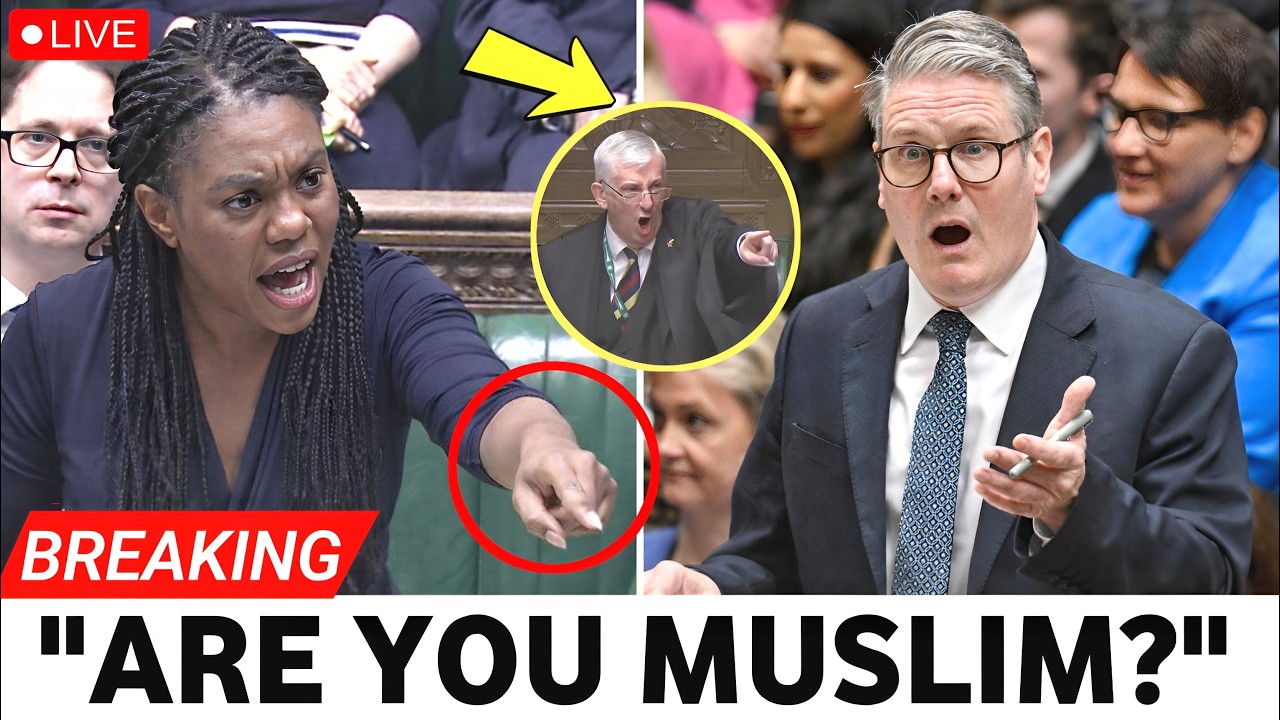
Prime Minister Keir Starmer faced intense questioning in the House of Commons as Conservative leader Kemi Badenoch repeatedly pressed him over the controversial appointment of Peter Mandelson.
The exchange dominated Prime Minister’s Questions, with Badenoch seeking clarity on whether Starmer had personally discussed Mandelson’s past associations with convicted sex offender Jeffrey Epstein before approving the diplomatic appointment.
Prime Minister Accepts Responsibility
Starmer began his response by acknowledging that the decision ultimately rested with him.
He described the appointment as a mistake in judgment and reiterated an apology to Epstein’s victims, while stressing that the Government is complying fully with Parliament’s request for the release of documents relating to the matter.
The Prime Minister also said the appointment process had since been strengthened following recommendations from the independent adviser on ministerial standards.
However, when pressed directly by Badenoch on whether he had personally spoken to Mandelson about the issue before the appointment, Starmer declined to give a straightforward yes-or-no answer.
Instead, he said Mandelson had been questioned during the vetting process and had provided responses that were later found to be inaccurate.
Badenoch Pushes for a Clear Answer
The Conservative leader repeatedly returned to the central question, accusing the Prime Minister of avoiding direct accountability.
Badenoch cited warnings that had been raised during the appointment process and suggested documents indicated Mandelson had provided misleading information.
For the opposition, the issue has become less about Mandelson himself and more about what they describe as a failure of judgment at the highest level of government.
Debate Expands Beyond the Appointment
As the confrontation continued, the discussion broadened into wider political territory.
Starmer defended the principle of religious freedom in public spaces, citing recent multi-faith events held in Trafalgar Square involving Hindu, Jewish, Christian and Muslim communities.
He suggested criticism had disproportionately targeted Muslim events, questioning the opposition’s position on public expressions of faith.
Badenoch rejected the accusation, arguing that Conservative concerns were about protecting British values rather than singling out any religious group.
She accused the Prime Minister of attempting to deflect attention away from the Mandelson appointment.
Scrutiny of Political Appointments
The clash illustrates the intense scrutiny that accompanies high-profile diplomatic appointments in British politics.
While political figures have often been placed in ambassadorial roles, controversial past associations can quickly become flashpoints for parliamentary criticism.
For Starmer, the episode has become a test of leadership and transparency.
By accepting responsibility for the appointment, he sought to close the issue — yet Badenoch’s persistent questioning ensured the matter remained firmly in the spotlight.

The Theatre of PMQs
The session was a textbook example of the adversarial nature of Prime Minister’s Questions, where opposition leaders aim to expose weaknesses while the Prime Minister seeks to defend government decisions and shift the political narrative.
In this case, a single line of inquiry — whether Starmer personally confronted Mandelson about Epstein — came to dominate proceedings.
As further documents are reviewed and scrutiny continues, the Mandelson appointment is likely to remain a political flashpoint in Westminster in the weeks ahead.


