
Lord Mandelson’s Multi-Million Dollar Ties with Chinese Firm Spark Controversy Amid Security Vetting Scandal
In a shocking new revelation that deepens the ongoing security vetting scandal, Lord Peter Mandelson’s financial ties to a Chinese biotechnology firm with alleged military links have raised alarm. WuXi AppTec, a Shanghai-based firm that has been under scrutiny by the US government for its ties to the Chinese Communist Party and the People’s Liberation Army, is revealed to be the largest client of Lord Mandelson’s lobbying company, Global Counsel.

The biotech giant paid a staggering £2.24 million to Global Counsel, cementing its position as the firm’s most lucrative client, a list seen by senior executives at the firm. The timing of the payment has drawn attention, particularly as the UK Security Vetting agency raised concerns over Mandelson’s foreign connections during his nomination to the role of British ambassador to the United States.
Mandelson’s dealings with WuXi AppTec were reportedly flagged as a risk to national security. The company’s connections to China’s military and its controversial actions, including intellectual property theft and involvement in human rights violations in Xinjiang, have prompted US lawmakers to take action, banning federal agencies from purchasing equipment from the company under the Biosecure Act.
Despite these alarming reports, WuXi AppTec’s chairman, Ge Li, denied any wrongdoing, asserting in a letter to stakeholders in 2024 that the company posed no security threat. However, the damage had already been done. The UK government’s vetting process, which raised alarms over Mandelson’s associations, was further complicated by his continued financial involvement with the firm. In 2024, just as Mandelson took up his ambassadorial post, WuXi AppTec paid an additional £1.42 million to Global Counsel, further deepening the controversy surrounding his business dealings.
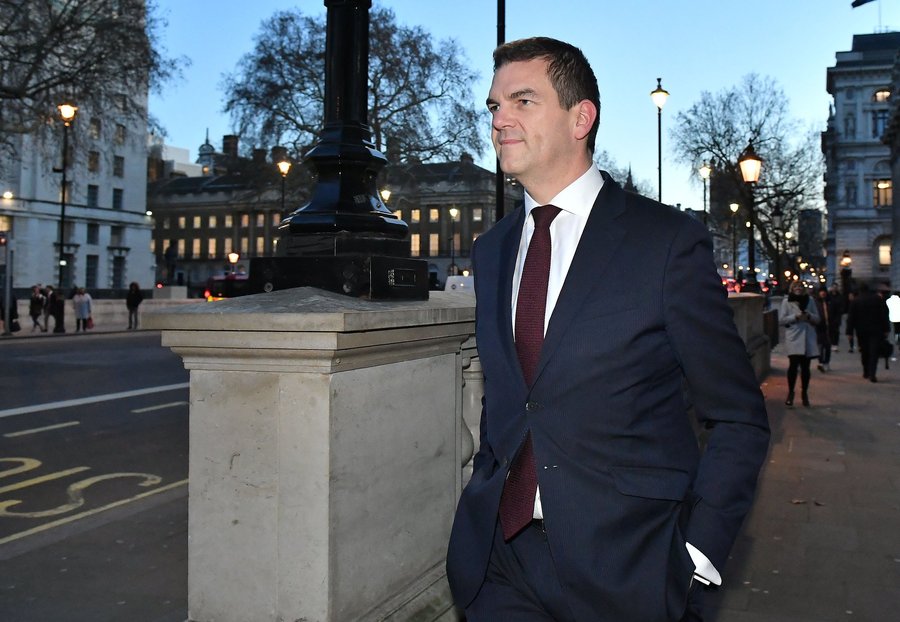
Mandelson’s involvement in Global Counsel, which he resigned from shortly before the 2024 general election, has led to heated debates. While Mandelson stepped down from day-to-day operations, he maintained his stake in the company, raising questions about potential conflicts of interest. Sir Olly Robbins, a key figure in the vetting process, has come under scrutiny for his role in the decision-making, with sources suggesting he did not push hard enough for Mandelson to divest his ownership.
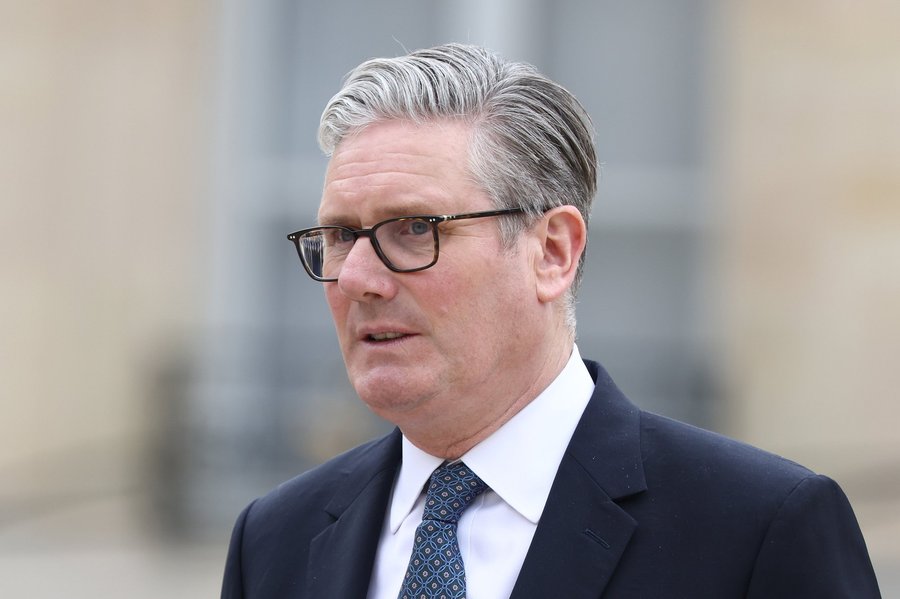
The issue has sparked an outcry across political circles. Opposition leaders have demanded accountability, with Labour leader Sir Keir Starmer facing mounting pressure. Some have called for a full investigation into the vetting process, particularly after revelations that senior officials knew about Mandelson’s failed vetting weeks before the Prime Minister was informed.
The latest scandal adds to an already tumultuous period for the UK’s political landscape. While the government scrambles to clarify its stance, questions remain about the integrity of the vetting process and the broader implications of Lord Mandelson’s continued ties to foreign entities with questionable backgrounds.
As the situation unfolds, all eyes are on Sir Olly Robbins, who will soon testify before the Foreign Affairs Select Committee. Will this be the turning point in a scandal that threatens to engulf more than just Lord Mandelson?


