
Keir Starmer Faces Growing Pressure Over Defence Strategy After Dire Warning from Ex-NATO Chief
Keir Starmer’s handling of the UK’s national defence strategy is under intense scrutiny after a stark warning from Lord Robertson of Port Ellen, the former NATO Secretary General and respected Labour figure. His call for immediate action on Britain’s defence spending comes as a direct challenge to the Labour leadership and highlights what some see as a growing complacency within the government.
Lord Robertson’s intervention, delivered at the Guildhall in Salisbury, calls out the government for its failure to address the pressing threats facing Britain, warning of a “corrosive complacency” at the heart of UK political leadership. Despite his pivotal role in the Labour Party’s past and his involvement in shaping the Strategic Defence Review (SDR) last year, Robertson’s public concerns mark a rare and significant moment of criticism aimed directly at Keir Starmer and his Cabinet.
The SDR’s follow-up, the Defence Investment Plan (DIP), was expected to be released soon after its predecessor but remains delayed due to disagreements between the Ministry of Defence, the Treasury, and 10 Downing Street. These tensions, particularly over funding allocation, are exacerbating the already heightened concerns about the UK’s preparedness in the face of increasing global threats.
Lord Robertson’s blunt statement that “lip service is paid to the risks, the threats, the bright red signals of danger” reflects the growing disillusionment within the party over the lack of action on defence. The former Labour Secretary of State for Defence is calling on the government to take swift and decisive measures to restore the UK’s military capabilities, warning that failure to act will have serious consequences for national security.
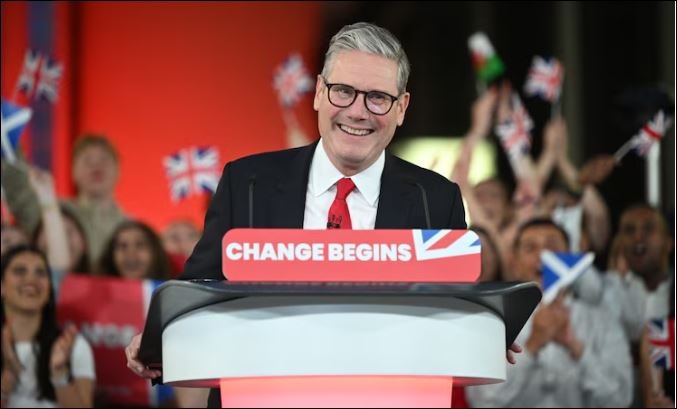
Keir Starmer’s Response:
Thus far, Prime Minister Starmer’s response has been lacklustre. His only public announcement on defence in recent weeks was a planned conference with French President Macron to discuss the blockade of the Strait of Hormuz. Critics argue that this focus on diplomacy and rhetoric, rather than urgent military action, demonstrates the government’s reluctance to address the growing risks.
Dr Fiona Hill, a key figure in the review team alongside General Sir Richard Barrons, has also voiced her concerns, echoing Lord Robertson’s warning. These high-profile interventions from seasoned professionals raise a pressing question: Will Keir Starmer act on the call for increased military funding before the situation deteriorates further?
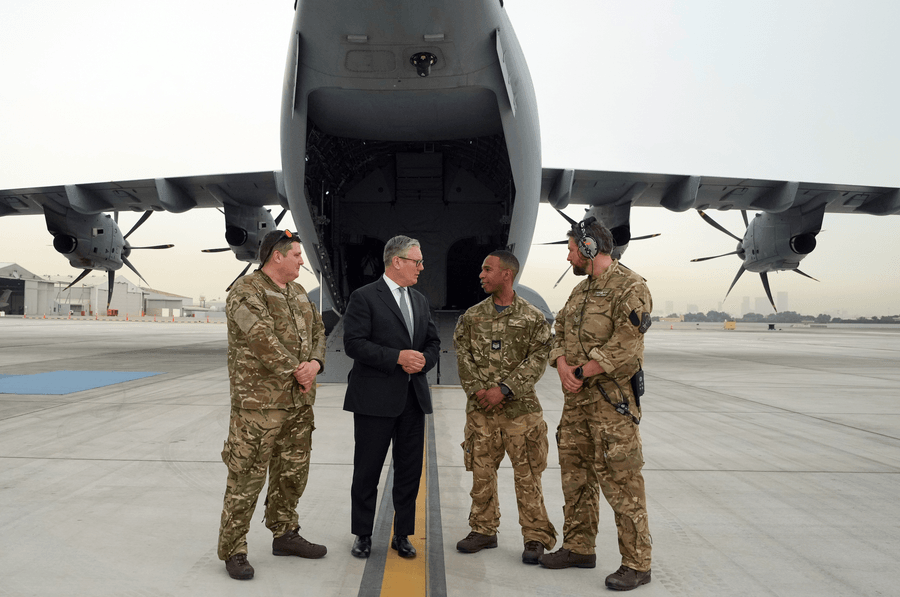
With Britain now spending far more on welfare than on defence — a ratio that is troubling given the current security risks — the need for a serious rethinking of the UK’s defence strategy is more urgent than ever. Yet, the current government response appears to be stalled by internal divisions and indecision.
As tensions rise globally and threats to national security continue to grow, the UK faces a critical juncture. The question remains: Will Keir Starmer heed the warnings and prioritize defence, or will the complacency in Westminster continue, to the detriment of the nation’s security?
#KeirStarmer #UKDefence #NationalSecurity #LordRobertson #DefenceReview #MilitarySpending #PoliticalTension #UKPolitics #LabourParty


