
Jo Bamford Warns Labour’s Inheritance Tax Reforms Could Force JCB to Relocate Abroad
Jo Bamford, heir to the JCB empire, has issued a stark warning that Labour’s proposed inheritance tax reforms could force his family-run company to relocate abroad. The son of JCB chairman Lord Bamford voiced concerns that the government’s changes to inheritance tax could lead to the exodus of family businesses, with JCB potentially moving its headquarters to the United States.
While Bamford emphasized his commitment to the UK and its workforce, he cautioned that the country’s tolerance for such burdens on businesses had its limits. “I want to say to any political party, you can only push so far,” he stated.
JCB, one of the largest family-owned manufacturing companies in the UK, operates 11 factories across the country, employing over 8,000 people. Despite Bamford’s loyalty to the UK, he pointed out that the company is already engaged in numerous international markets, with operations in India, China, and Brazil.
The inheritance tax reforms, introduced by Rachel Reeves, the Labour Party’s shadow chancellor, aim to increase the tax rate on estates over £2.5 million. While the first £2.5 million of a business estate will be exempt, anything beyond this threshold will face a 20% tax. Initially, Labour had proposed a lower threshold of £1 million before raising it following opposition.
Bamford warned that the proposed changes could force businesses like JCB to sell assets or scale back investment to cover their tax liabilities. He emphasized the impact of these changes on family-run businesses, which often operate with tight margins and are highly sensitive to tax burdens.

The reforms are part of a broader pattern of wealthy individuals moving abroad due to changes in UK tax policies. High-profile figures, including Alan Howard, John Fredriksen, and Lakshmi Mittal, have already relocated to other countries in recent years. The proposed inheritance tax changes, along with the removal of tax status for non-residents, are seen as key drivers in this shift.
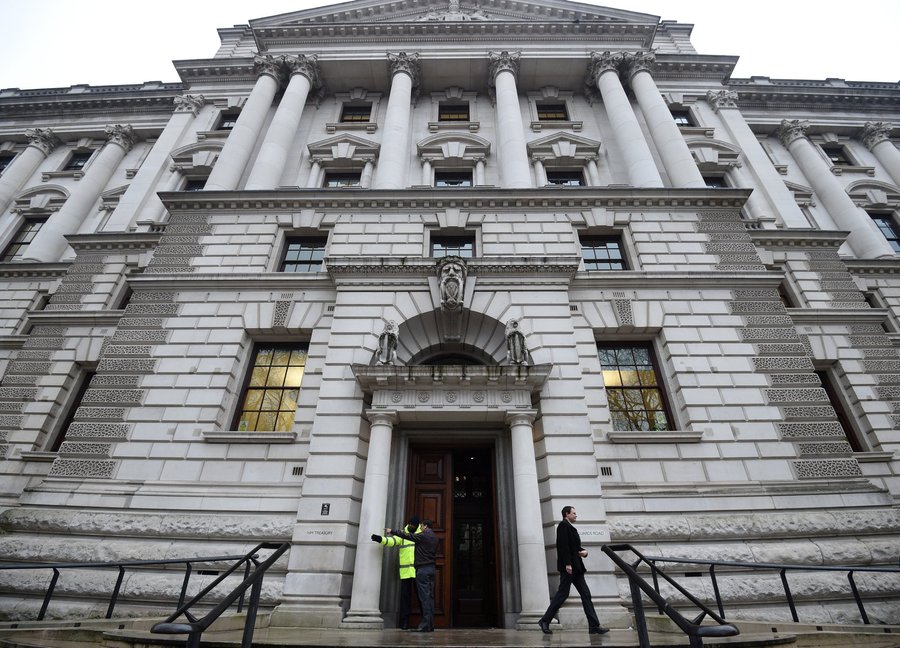
The Treasury has defended the reforms, claiming that they aim to strike a balance between supporting small family businesses and ensuring that the largest enterprises contribute fairly to public finances. The government maintains that the changes will protect smaller family businesses while ensuring that big corporations pay their fair share, thus supporting broader efforts to tackle the cost of living crisis.
As the debate over the future of UK tax policy continues, Bamford’s warning highlights the delicate balance the government must strike between reform and the need to retain key businesses and investments within the UK.


