
Labour Party Introduces Temporary Cap on Student Loan Interest Rates Amid Economic Instability
The Labour Party has confirmed that starting September 1, 2026, interest rates on student loans under Plans 2 and 3 will be capped at a maximum of 6%, replacing the current formula of the Retail Price Index (RPI) plus 3%. This temporary measure is intended to alleviate financial pressures on students and graduates amid rising global economic uncertainties, particularly the ongoing conflict in the Middle East, which has exacerbated inflationary pressures and higher borrowing costs.
This change, affecting students and graduates in England and Wales for the 2026-2027 academic year, comes as part of the Labour Party’s efforts to shield the most vulnerable from economic turbulence beyond the UK’s control. Ministers emphasized that this decision aims to prevent student loan debts from rising excessively due to external shocks, especially the volatility in global oil prices that could drive inflation higher.
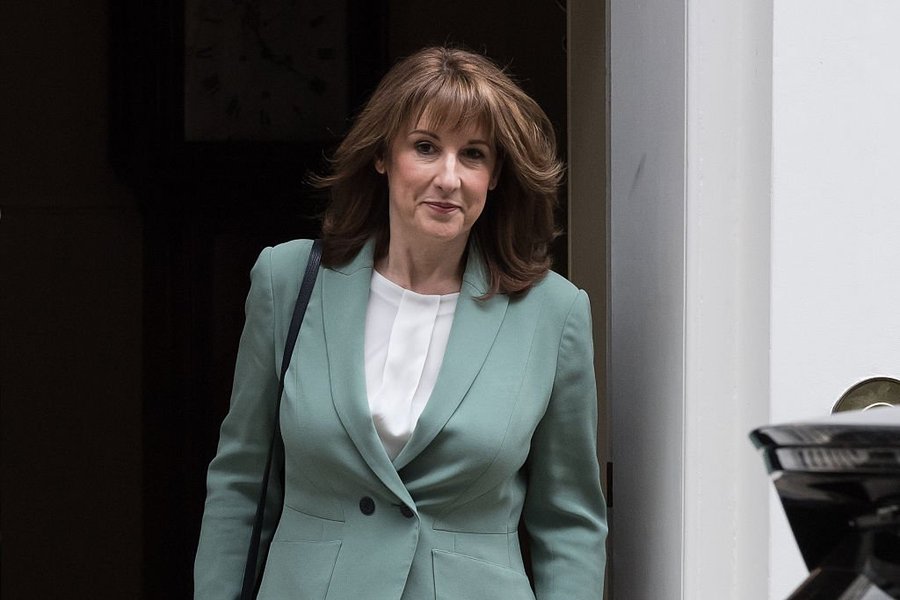
In a statement, Skills Minister Jacqui Smith explained: “We know the Middle East conflict is raising concerns domestically, and while global shocks are beyond our control, protecting the public here is not.” She added that the government was committed to supporting the most vulnerable in what she described as an already unjust system. Smith also referred to the existing structure of Plan 2 as “outdated” and hinted at more comprehensive reforms for student finance in the near future.

Alongside the interest rate cap, the government announced plans to reintroduce income-based living grants for students starting in the 2028-2029 academic year. Under this proposal, students from low-income families would be eligible for non-repayable support of up to £1,000.
This policy change comes in response to mounting criticisms of the current student loan system, particularly concerning the use of RPI to calculate interest rates. The National Union of Students (NUS) has been vocal in its opposition, calling for more significant reforms, including the possibility of student debt cancellation. NUS Vice President for Higher Education Alex Stanley noted that recent adjustments to repayment thresholds could further burden graduates already struggling with weak job markets.
The government’s decision to introduce a cap on student loan interest follows growing public support for more radical reforms. A YouGov poll revealed increasing backing for student loan cancellations and other substantial changes to the current system.
However, despite acknowledging the shortcomings of the student loan system, Chancellor of the Exchequer has stated that reforms are not a top priority at the moment due to the ongoing financial challenges and the government’s focus on child poverty and the NHS backlog.
The Labour Party’s handling of these financial issues, alongside the broader economic management, remains a key concern ahead of the upcoming local elections. With the country’s economic challenges still unresolved, the effectiveness of the Labour Party’s leadership will come under increasing scrutiny.


