
Crowdfunded Inquiry Into Grooming Gangs Reignites Debate Over UK Child Protection Failures
London — A newly launched independent inquiry into allegations involving grooming gangs has reignited debate across the United Kingdom over longstanding failures in safeguarding vulnerable children and the accountability of institutions responsible for investigating exploitation.
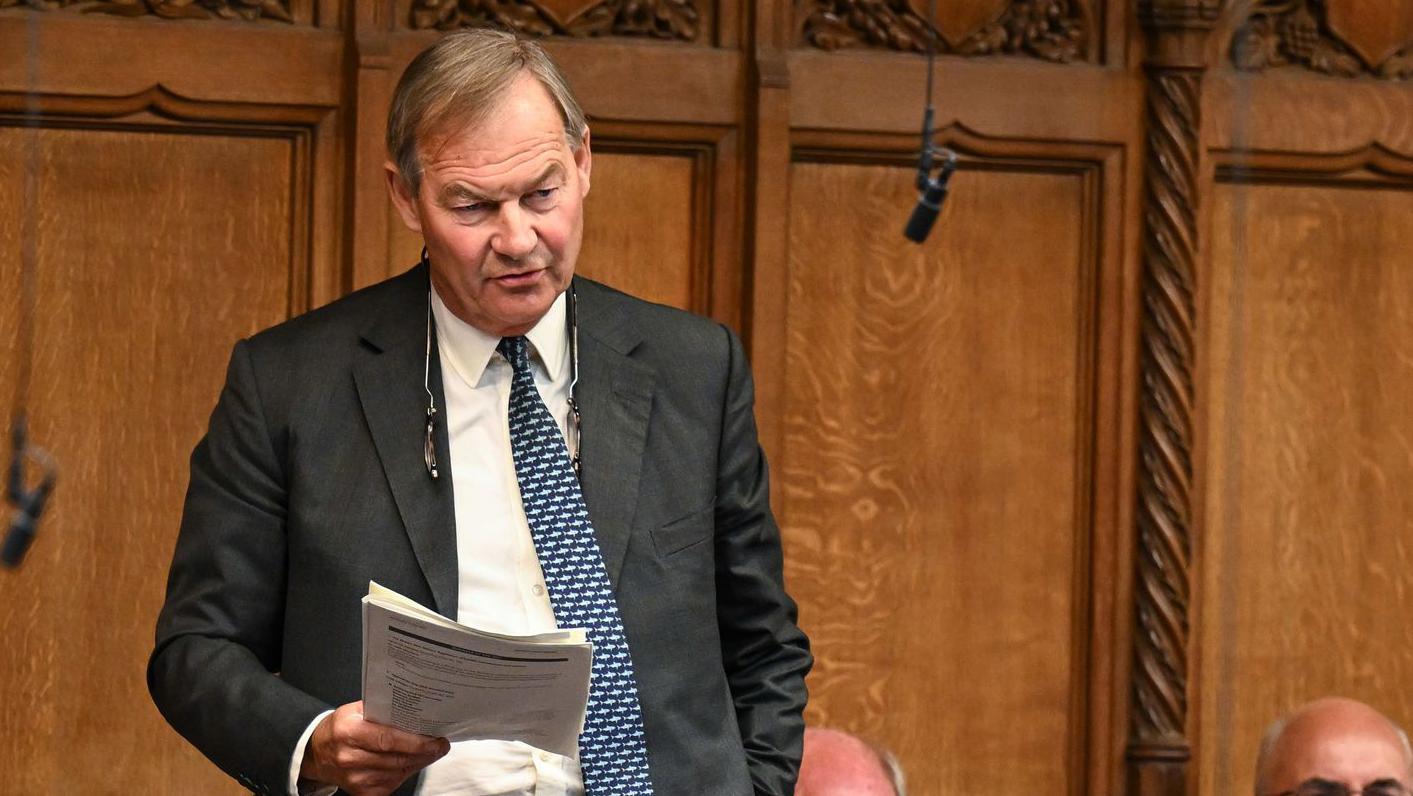
The inquiry, led by Member of Parliament Rupert Lowe and funded through public donations, began hearings this week and is expected to gather testimony over a two-week period. Organisers say the initiative was created in response to growing public frustration over what they describe as delays in investigations, limited accountability, and inconsistent prosecution outcomes across different regions.

Survivor Testimony Draws National Attention
Survivors and advocacy organisations appearing before the inquiry have argued that systemic gaps in policing, social services, and local government oversight allowed exploitation networks to operate for extended periods without effective intervention.
According to several testimonies, victims and their families were often dismissed when attempting to report abuse, while investigative responses from authorities were sometimes fragmented or incomplete. The emotional accounts presented during the hearings have quickly drawn national attention and renewed calls for a broader, state-backed inquiry with stronger legal authority.
One of the most widely circulated testimonies came from survivor Fiona Goddard, who described her experience attempting to report abuse and alleged that the responses from authorities were dismissive. She also suggested that language barriers may have influenced how some incidents were recorded or addressed by officials.
A Long-Running National Issue
Over the past two decades, the United Kingdom has faced several high-profile cases involving organised child sexual exploitation networks. While a number of investigations have resulted in criminal convictions, major reviews have repeatedly criticised institutional shortcomings, including inadequate reporting mechanisms, poor coordination between agencies, and failures to prioritise vulnerable victims.
Government-commissioned reviews have acknowledged that some local authorities and police forces struggled to respond effectively to early warning signs. In recent years, political pressure has intensified for greater transparency regarding how cases were handled and why warning signals were sometimes overlooked.

Independent Inquiry Raises Both Hope and Questions
Unlike previous government-led investigations, the current inquiry is independently organised and supported by approximately £600,000 in crowdfunding donations. Organisers say the goal is to provide a platform for survivors to publicly share their experiences and to identify systemic failures that could inform future safeguarding reforms.
However, analysts note that independent inquiries lack the statutory powers of state-led investigations, such as the authority to compel testimony or require disclosure of confidential government records. As a result, questions remain about whether the inquiry’s findings will ultimately lead to enforceable legal or policy changes.
Growing Pressure for Institutional Reform
Legal experts say the renewed scrutiny could increase pressure on the government to strengthen child protection systems, expand specialist policing units, and provide long-term support services for survivors. In some cases, it could also lead to the reopening of previously unresolved cases or additional prosecutions, depending on the availability of evidence.
As the hearings continue, a central political question remains: whether Parliament will face mounting pressure to establish a formal national inquiry with full statutory powers, capable of accessing official records and compelling testimony from officials involved in past decision-making.
For survivors and advocacy groups, the immediate goal remains accountability and justice for unresolved cases. For policymakers, the broader challenge is ensuring that safeguarding systems can identify risks earlier, coordinate effectively across institutions, and respond decisively when vulnerable children are at risk.
Ultimately, the impact of the inquiry may depend not only on the testimony presented but also on whether its findings translate into meaningful reforms and concrete legal action aimed at preventing similar failures in the future.


