
Labour’s Tax Policies Threaten the Survival of Britain’s Historic Working Men’s Clubs
Britain’s cherished working men’s clubs are facing an existential crisis, as the hospitality sector grapples with the impact of Labour’s tax reforms under Chancellor Rachel Reeves. These clubs, which have played a central role in the working-class community for more than a century, are now under threat due to rising operating costs, including business rates and energy prices, compounded by the end of pandemic-era VAT relief.

Once a staple of post-war Britain, these social hubs—popular in the 1970s with around 4,500 clubs nationwide—are now in sharp decline. Today, fewer than 1,000 clubs remain, with many forced to shut down. The historic closures have sparked anger among community leaders and long-time patrons who feel abandoned by the policies of the party that once championed the working class.
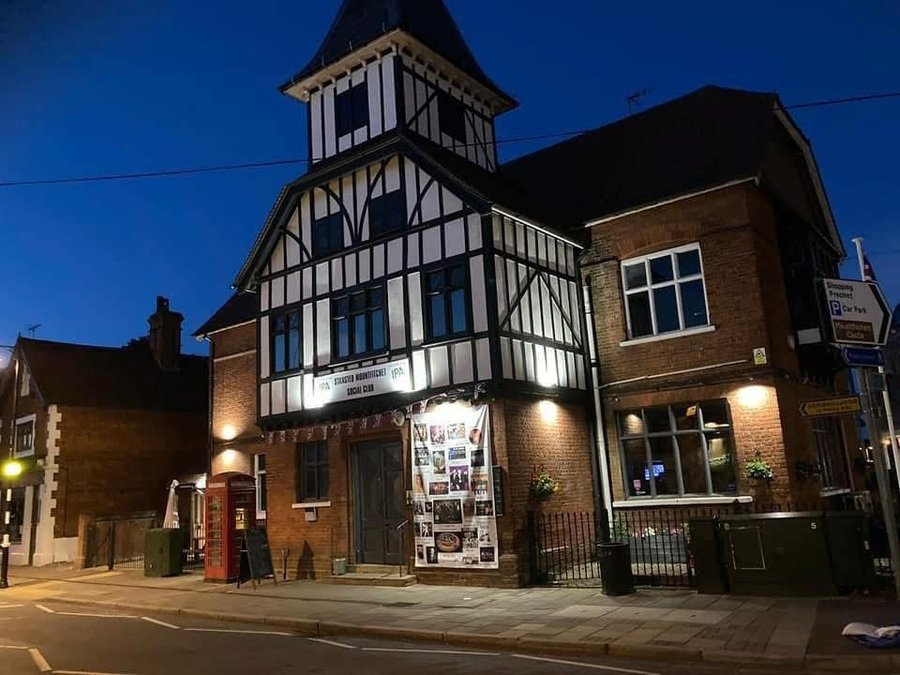
Stansted Mountfitchet Social Club in Essex, established in 1888, serves as a prime example of the difficulties faced by these venues. Club Chairman Alan Snook, who has been a committee member for over a decade, revealed that financial struggles have plagued the club for years, with some trustees even remortgaging their homes to pay off a £120,000 debt. “Business rates are crippling, the cost of alcohol has skyrocketed, and energy bills have doubled—it’s been a constant battle,” said Snook.

Despite these challenges, Snook’s club remains active, with 1,200 members and a reputation for supporting its local community. Yet, many other clubs have not been so fortunate. Last week, a 106-year-old club in Droitwich, Worcestershire, closed its doors, citing rising operational costs and mounting debts.
The government’s tax policies, including higher National Insurance contributions and increased business rates, have sparked criticism from political figures like Conservative MP Mark Francois, who described the closures as a “physical manifestation of Labour destroying its own history.” Francois, along with other critics, argues that Labour’s policies have severely harmed the sector, once a bastion of working-class solidarity.

However, some clubs have found ways to adapt, including rebranding efforts like the Louth Social Club in Lincolnshire, which dropped the term “working men” from its name to attract a broader audience. Despite these efforts, the future remains uncertain for many clubs.
Dr. Sofia Ropek-Hewson, a senior research fellow at the Institute for Public Policy Research, noted that the decline of social clubs is part of a broader trend of disappearing community spaces, which could have long-term social consequences. She advocates for a “community welfare fund,” funded by a levy on online giants, to support venues like working men’s clubs.
As Britain’s traditional social venues face an uncertain future, it’s clear that the battle for their survival is not just a matter of economics but of preserving the social fabric that has long been a cornerstone of British life.


