
Rachel Reeves and Ed Miliband in Direct Confrontation Over North Sea Oil Drilling
The UK’s energy policy is at a crossroads as Chancellor Rachel Reeves has publicly supported two controversial oil drilling projects in the North Sea, directly opposing Energy Minister Ed Miliband’s more cautious stance on new fossil fuel exploration.
Reeves expressed her “strong support” for the Rosebank and Jackdaw oil and gas fields, highlighting the importance of securing the UK’s energy supply in the face of instability in the Middle East, particularly the ongoing blockade of the Strait of Hormuz. “This will create jobs and generate tax revenue, which is why we continue to support the oil and gas industry for the coming decades,” she stated.
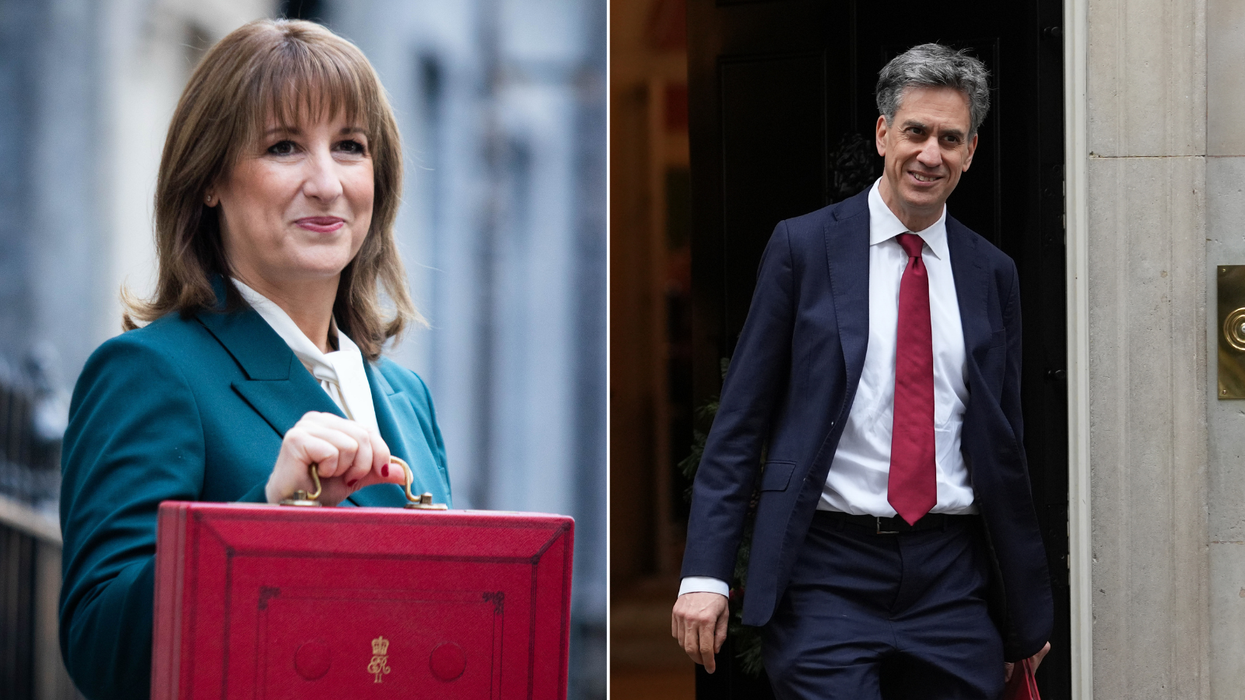
Her position is in stark contrast to that of Miliband, who has expressed reservations about the UK’s continued reliance on fossil fuels. Miliband has previously cautioned against the long-term environmental impacts of expanding fossil fuel extraction, stressing the need for a transition to cleaner energy sources.
The debate intensified following remarks from Prime Minister Keir Starmer, who recently rejected a request from Conservative Party leader Kemi Badenoch to personally intervene in the approval process for the Rosebank and Jackdaw projects, asserting that the matter is within Miliband’s jurisdiction.
Labour’s Scottish leader, Anas Sarwar, has also weighed in, urging approval for the projects, while questioning Miliband’s stance. “Yes, there’s more to be done, but the party is committed to respecting previously granted permits,” Sarwar remarked.

Meanwhile, Scottish First Minister John Swinney, initially opposed to new North Sea drilling, acknowledged the shifting dynamics of global energy security in light of Middle East tensions. “The balance of arguments has changed, and we now must reconsider our position on domestic energy production,” Swinney said.
The UK’s decision on whether to grant drilling licenses for these two projects remains under intense scrutiny, as internal divisions within the Labour Party and shifting global circumstances continue to shape the debate


