
Prince Philip’s Final Years: Secret Cancer Battle and the Quiet Farewell That Marked His Legacy
Prince Philip, Duke of Edinburgh, passed away at Windsor Castle on April 9, 2021, after a life filled with royal duty and personal triumphs. His funeral, held just days later, stood in stark contrast to that of his wife, Queen Elizabeth II, with a more intimate, family-focused atmosphere. However, the image of Queen Elizabeth sitting alone at the service has become one of the most poignant moments in royal history, forever etched in the public’s memory.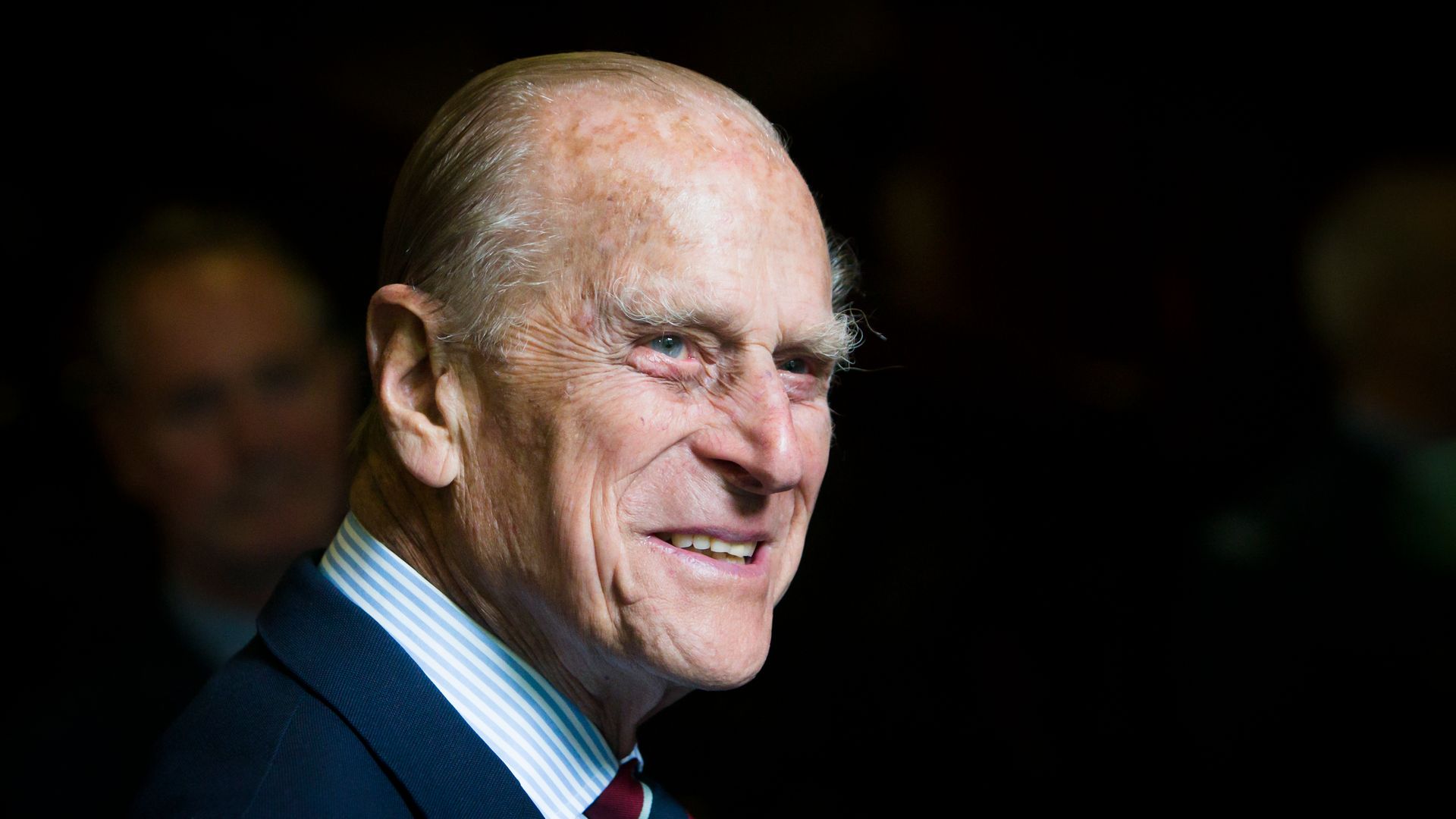
Born in 1921 on the island of Corfu as Prince Philip of Greece and Denmark, Philip Mountbatten’s final years were marked by both quiet dignity and continued involvement in his passions, particularly carriage driving, which he took up after retiring from polo. Having retired from public duties in 2017 at the age of 96, Philip lived nearly to 100, but his final chapter was cloaked in a secret battle that the public had no knowledge of until now.
A new biography by royal biographer Hugo Vickers, titled In Queen Elizabeth II, has revealed an untold aspect of Prince Philip’s final years: he had been battling pancreatic cancer for eight years, a diagnosis he kept hidden. The Duke’s health battle was kept under wraps, and many were unaware of the toll it took on him during those final years.
It was in June 2013, during a hospital stay for an unrelated issue, that doctors discovered a shadow on Prince Philip’s pancreas. Despite surgeries, the verdict was inoperable pancreatic cancer. According to Vickers, the Duke’s diagnosis was so private that even close family members were kept in the dark for some time. His death certificate later listed “old age” as the cause of death.
The Duke’s decision to step back from royal duties was partially tied to his deteriorating health. In 2017, just four years after his diagnosis, he quietly retired from public life. In what would be one of his final royal duties, he stood in the rain at Buckingham Palace during his farewell as Captain General, a symbolic moment for both him and the monarchy. His last public engagement was a fitting tribute to his decades of service.
Rumors about the Duke’s health in 2019 were so intense that the government reportedly had contingency plans to delay the general election, fearing that the election would be disrupted by news of Philip’s declining health. The timing of the election, which was called by then Prime Minister Boris Johnson, had the Queen’s approval, but some believed that Philip held on for as long as he did to avoid further complications.
In this new light, the final months and days of Prince Philip’s life show a man who, despite suffering in silence, continued to display immense strength and commitment to his royal duties and family. His passing, marked by an understated funeral and the unforgettable image of Queen Elizabeth alone, reminds us of the remarkable legacy of the Duke of Edinburgh—a legacy defined by quiet dedication, resilience, and profound love for his family and country.


