
William Hill to Close 200 Stores, 1,500 Jobs at Risk Due to Tax Increases
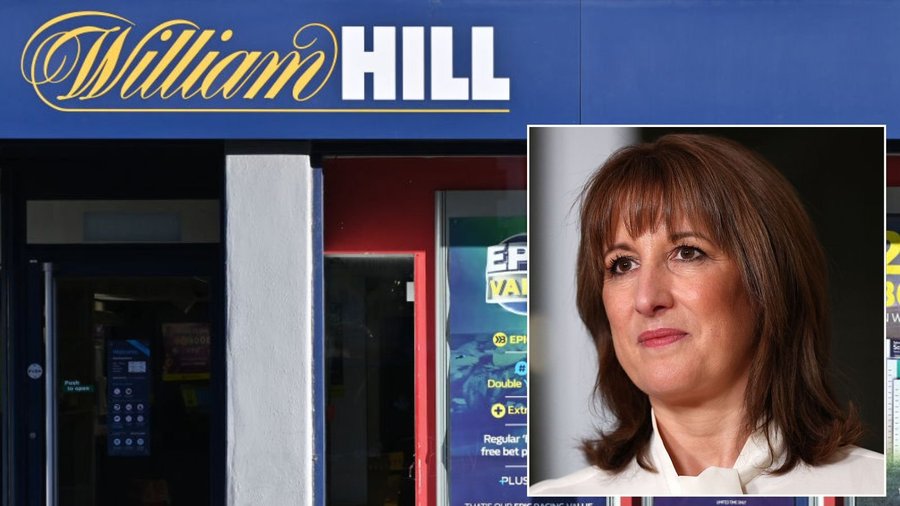
William Hill, one of the UK’s leading bookmakers, has announced the closure of 200 betting shops across the country, placing up to 1,500 jobs at risk. This decision, made by the company’s parent firm, Evoke, comes as the gambling sector grapples with rising operating costs, primarily driven by tax hikes implemented in Labour’s Autumn Budget.
The closures, which are expected to begin in May, represent approximately 15% of William Hill’s 1,300 retail outlets nationwide. The move follows a detailed review of the company’s retail portfolio and its sustainability in light of the significant cost pressures facing the sector.
In her Autumn Budget last year, Chancellor Rachel Reeves introduced fiscal measures that have had a direct impact on the gambling industry. Online gaming duties are set to rise from 21% to 40%, while online sports betting taxes will increase from 15% to 25%. These adjustments have added considerable strain to operators already navigating a competitive and heavily regulated market.

Evoke explained that the closures were necessary due to the increasing financial challenges posed by the new tax structure. “Following a thorough review and in response to the increased cost pressures on the regulated sector, we are closing a number of shops that are no longer sustainable,” a company spokesman stated.
The company has reassured its employees that they will receive full support throughout the closure process. “We are offering our full support to our retail colleagues who are affected by these closures,” the statement continued.
This latest move is part of a wider trend in the gambling industry, which has voiced concerns about the cumulative impact of rising taxes and stricter regulations. The sector is also facing additional challenges, including proposed mandatory financial checks for customers, which many industry representatives fear could drive consumers to unregulated alternatives.
Evoke’s CEO, Per Widerström, has previously criticized the proposed tax changes, describing them as “ill-thought-through” and “highly damaging” to businesses, employees, and customers. As the gambling sector continues to adapt to an evolving regulatory environment, these closures are a stark reminder of the financial pressures weighing on companies in the industry.
The William Hill closures are indicative of the broader challenges faced by the regulated gambling sector as it navigates a rapidly changing market landscape.


