
Rachel Reeves Set to Receive £8 Billion Windfall from Energy Taxes Amid Rising Oil Price
The ongoing conflict between the US and Iran has triggered a significant surge in energy prices, which is expected to generate a substantial windfall for the UK government. Financial projections suggest that the UK Treasury, under Chancellor Rachel Reeves, could receive an estimated £8 billion due to the current taxes on North Sea oil and gas production.
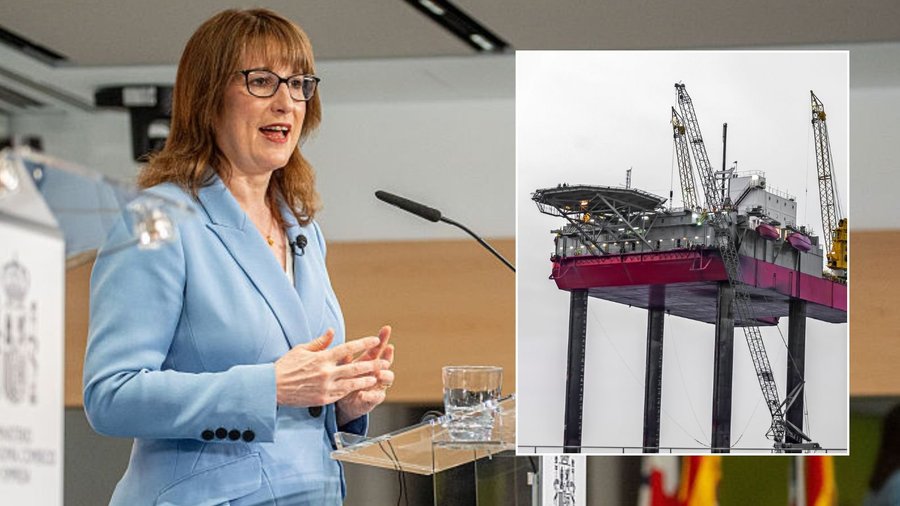
The ongoing crisis has increased energy costs, contributing to a £20 million daily boost in government revenues through taxes on oil and gas. This additional income has raised concerns about how the government plans to utilize these funds, with calls for tax cuts or subsidies to alleviate the growing financial strain on households and drivers, who are facing the highest fuel prices in 28 months.
Government analysis, as reported by The Times, predicts that the windfall will continue for the next year if current energy prices hold. Energy analyst Chris Wheaton from Stifel has estimated that energy profits from North Sea oil extraction will add £3.5 billion to government revenues annually, while revenues from gas sales will contribute an additional £2.4 billion.
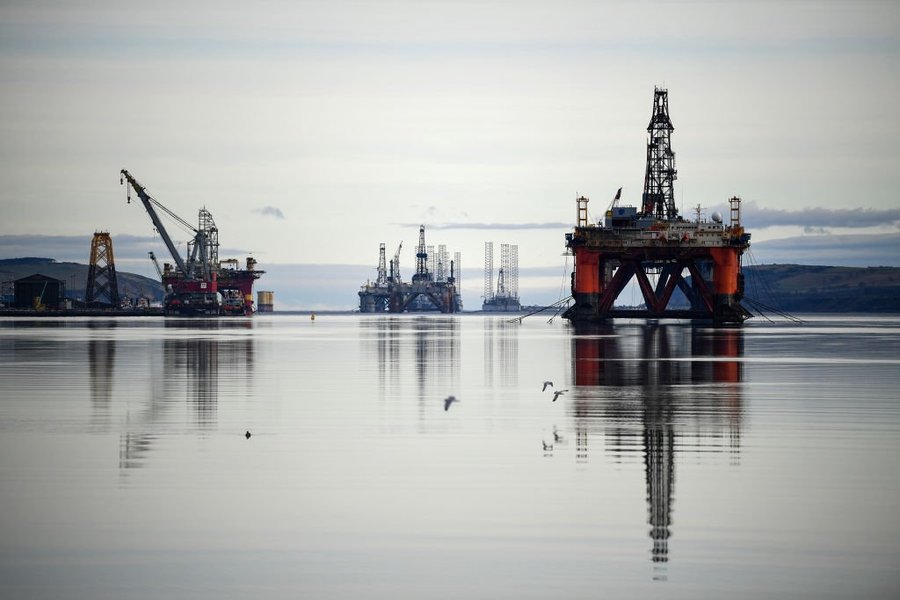
This tax increase, which is pegged at a 78% rate on profits from North Sea oil and gas, is directly tied to the wholesale price of energy, meaning the government’s revenue increases in line with rising energy costs.
In response to the escalating energy crisis, which has hit households the hardest with rising electricity bills, the government is facing mounting pressure to direct some of this unexpected financial boost toward easing the burden on families. Several organizations, including the Taxpayers’ Alliance, have accused the government of profiting from high energy prices while the public continues to shoulder the cost.
The RAC, a motoring association, has estimated that VAT collected from fuel purchases could yield around £2 billion in additional tax revenue. In light of this, industry leaders like Howard Cox from FairFuelUK have called for ministers to reduce fuel taxes to help relieve drivers.
However, government officials warn that any additional fiscal gains from the energy sector might be offset by rising borrowing costs, exacerbated by the ongoing conflict.

Prime Minister Keir Starmer has been engaged in talks with energy sector leaders, banking executives, and transportation officials, emphasizing that while the war is not Britain’s own, the government must protect its citizens from the financial fallout, including rising household costs.

As the government grapples with the fiscal challenges posed by these soaring energy prices, pressure mounts on Reeves to consider how best to use the sudden influx of tax revenues to support struggling families and stabilize the economy.
#EnergyTax #RachelReeves #KeirStarmer #UKGovernment #FuelPrices #NorthSeaOil #EnergyCrisis #CostOfLiving #VAT


