
Keir Starmer Issues 48-Hour Ultimatum to NHS Doctors Amid Strike Threats
In a move set to escalate tensions within the NHS, Prime Minister Keir Starmer has issued a stark 48-hour ultimatum to junior doctors, accusing them of making a “reckless” decision to abandon a previously negotiated pay agreement. This ultimatum comes ahead of planned strikes by junior doctors, set to begin on April 7, 2026, following the Easter holidays.
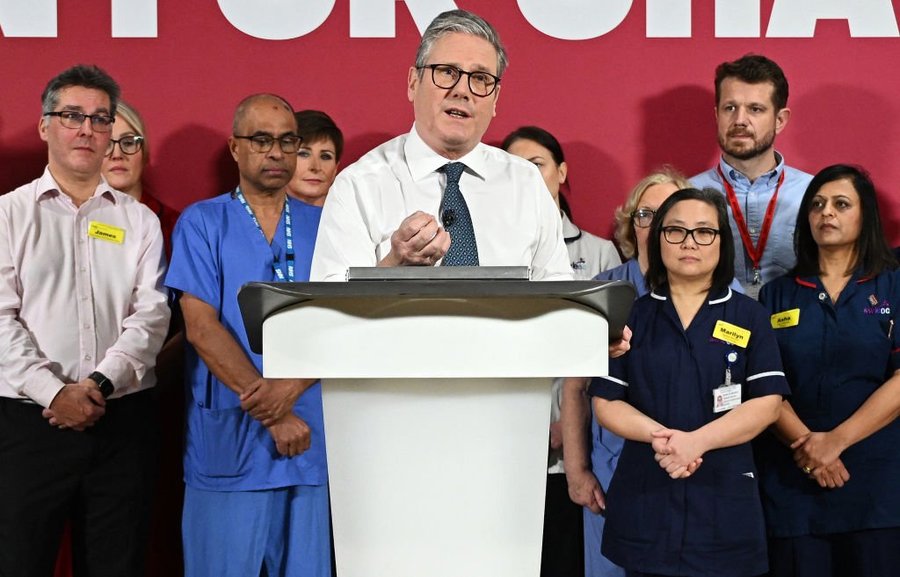
The British Medical Association (BMA) recently announced that its members would stage a six-day strike, citing a breakdown in negotiations and accusing the Labour government of “shifting the goalposts” in their talks. However, Prime Minister Starmer has hit back, insisting that junior doctors have walked away from a deal that, according to him, would see some doctors earning upwards of £100,000 annually.
In an op-ed for The Times, Sir Keir argued that the decision to abandon the talks was a “serious misstep.” He emphasized that both the doctors and the NHS as a whole stand to suffer from the failed negotiations, adding that these strikes would inflict further damage on a system already under pressure.
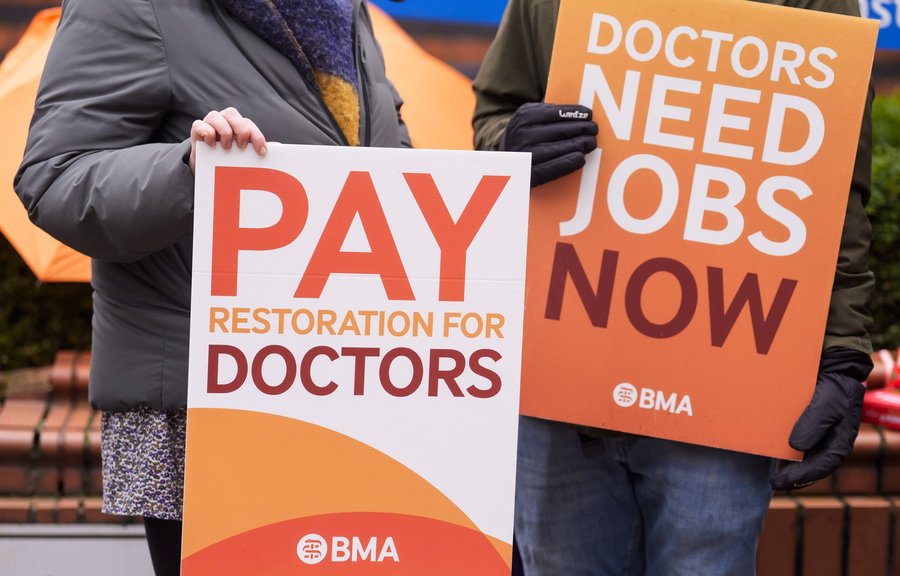
“Refusing this offer will harm junior doctors the most,” Starmer said. “Instead of securing wage increases, promotions, and the support that was promised, they will be left with standard pay this year, without any additional reforms that could improve their working lives.”
Starmer went on to highlight the financial burden of the strike action, noting that each day of industrial action costs the NHS £250 million in replacement staffing. Furthermore, patients are set to face increased delays, with the strikes potentially overwhelming an already stretched health system.
The government’s proposal, developed in collaboration with the BMA, includes a 4.9% pay rise for junior doctors from 2026-2027, which the Health Secretary, Wes Streeting, claims will result in a 35.2% pay increase for doctors compared to four years ago. Streeting also reassured junior doctors that the pay increase would extend to newly qualified doctors, with a starting salary of £41,226 in the first year, a substantial increase from previous levels.
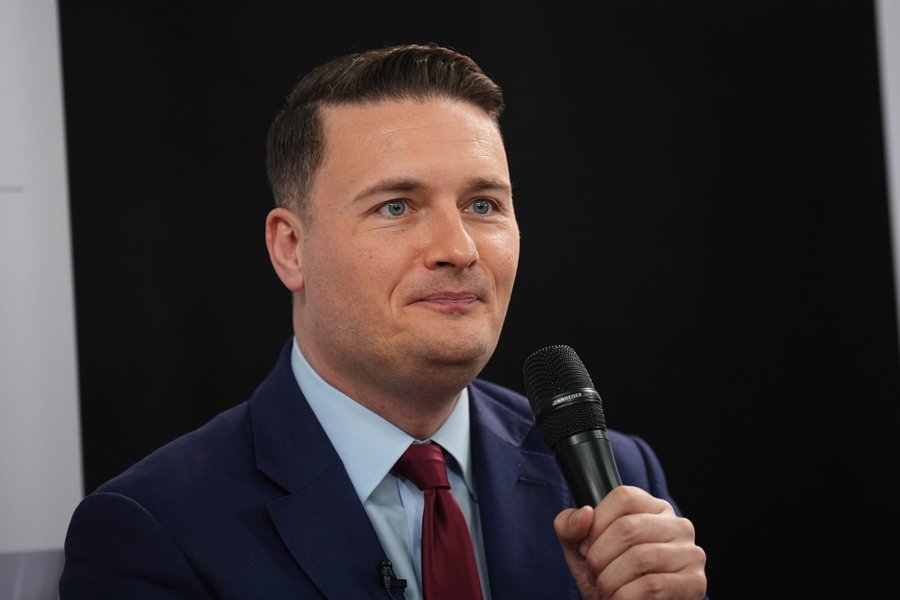
“Many of you feel undervalued, and I understand that,” Streeting stated. “This proposal is the most comprehensive offer I can make, one that acknowledges your concerns and aims to build trust going forward.”
However, if no agreement is reached before the April 2 deadline, Streeting warned that the cost of maintaining strike cover could potentially erode the financial benefits of the proposed deal. NHS leaders, including Mike Prentice, National Director for Emergency Planning, have expressed concerns about the timing of the strikes, which coincide with the Easter holiday and could place added strain on hospital resources.
The ongoing dispute comes amid broader concerns over NHS capacity and the growing number of vacancies within the health service. The proposed contract aims to address some of these issues by introducing 4,500 new training posts for specialists over the next three years, as well as reforms to pay and conditions designed to attract and retain talent within the NHS workforce.
As the clock ticks down, the pressure on both sides continues to mount, with the future of junior doctors’ pay and the stability of the NHS hanging in the balance.


