
In a stunning public break from President Donald Trump’s stance on the Iran conflict, David Sacks, one of Trump’s closest advisers, has raised alarms about the potential for nuclear escalation in the ongoing war.
Sacks, who serves as the President’s czar for artificial intelligence and cryptocurrency, spoke on the All-In Podcast, expressing concern over Israel’s consideration of using nuclear weapons against Iran. His comments were a rare and significant challenge from within Trump’s inner circle, especially considering the gravity of the situation.

In his interview, Sacks cautioned about the dangerous implications of further escalation. “Israel could get seriously destroyed,” he said, adding that the situation could lead to an even more dangerous global scenario. “And then you have to worry about Israel escalating the war by contemplating using a nuclear weapon,” Sacks warned.
His remarks come amid a growing sense of unease within the White House, with many insiders questioning whether the current path in the Middle East is sustainable. Sacks, echoing his concerns, urged the president to consider a quick resolution. “This is a good time to declare victory and get out,” he advised, adding, “I agree that we should try to find the off-ramp.”

The U.S. has played a significant role in neutralizing Iran’s military capabilities, and Sacks emphasized that the original goals of the intervention had largely been met. However, he believes that without a clear strategy for de-escalation, the conflict could spiral into far more destructive consequences.
His comments mark the first time a high-ranking White House official has publicly rebuked Trump on the matter. While Trump has maintained a hardline stance on Iran, with Secretary of State Marco Rubio and Defense Secretary Pete Hegseth leading the public campaign, Sacks’ position aligns more closely with Vice President JD Vance’s private concerns.
Vance, who is said to have been less enthusiastic about the conflict, reportedly advised Trump to take decisive and swift action if military intervention were deemed necessary. However, in recent weeks, Vance has kept a low profile as the U.S.-Israel alliance has escalated the war with airstrikes, including the killing of Ayatollah Ali Khamenei on February 28.
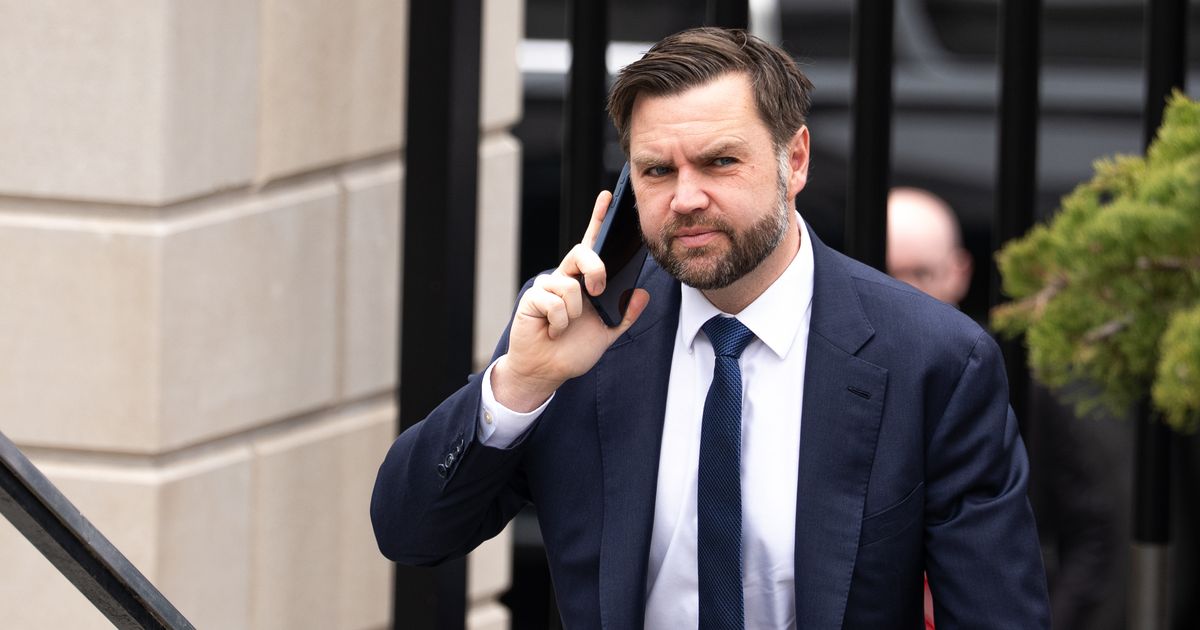
The Vice President’s cautious approach to the war is in contrast to the more aggressive stance taken by many in the administration, and Sacks appears to be supporting Vance’s more measured position. In a stark contrast, Trump publicly acknowledged last week that Vance had been “less enthusiastic” about the conflict, a sentiment which Sacks has seemingly embraced.
The war, which erupted after the U.S. and Israel launched strikes on Iran, has already caused significant casualties and turmoil in the region. Reports from the United Nations indicate over 1,300 deaths in Iran, with 12 Israeli lives lost in retaliatory attacks. Additionally, the U.S. has confirmed the deaths of 13 American service members.
Global markets have also been rattled by the conflict, with oil prices spiking and uncertainty casting a shadow over the global economy. While many in Washington support the actions against Iran, the calls for caution from figures like Sacks and Vance signal a growing divide over how best to handle the crisis.
The situation remains fluid, with tensions continuing to rise between Israel, Iran, and their respective allies. The war’s implications are far-reaching, and it remains to be seen whether a swift resolution will be found or if the situation will escalate further, leading to greater regional instability.
As the conflict drags on, many are urging Trump to take a step back and reassess the broader consequences of continuing to escalate tensions. With support from his closest advisers beginning to waver, it’s clear that the administration is facing increasing pressure to find a diplomatic solution before the situation spirals into a broader conflict.


