
A wave of grief has swept across the British broadcasting world following the death of legendary investigative journalist Roger Cook, who has passed away at the age of 83 after a short illness. For millions of viewers, his name is not just remembered — it is etched into the history of fearless television reporting, a symbol of courage, danger, and unwavering commitment to the truth.
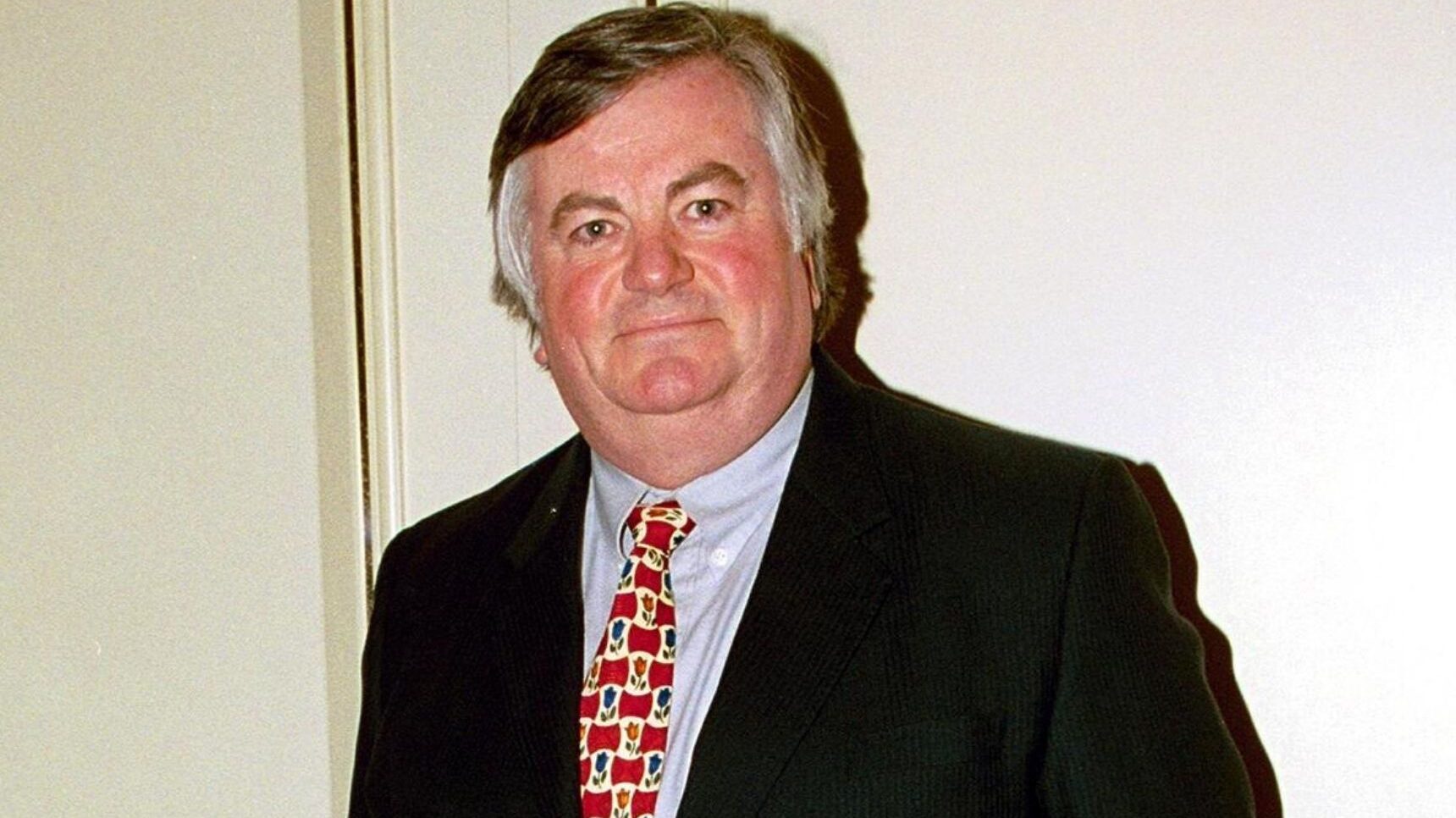
His family confirmed the heartbreaking news, describing a man who was not only a respected journalist but, above all, a devoted husband and father. In their statement, they said he died peacefully on Saturday, surrounded by love, asking for privacy as they navigate an unimaginable loss.
But for the public, Roger Cook was far more than a private family man. He was a figure who stepped directly into the darkest corners of society — and came back with the truth.
The Man Who Walked Into Danger When Others Walked Away
Roger Cook’s name became synonymous with fearless journalism during a career that spanned more than five decades. Born to New Zealand parents and raised in Australia, he began his career at the Australian Broadcasting Corporation before moving to the United Kingdom in 1968, where his reputation as a determined and uncompromising reporter began to take shape.
From early radio work at BBC Radio 4 to hard-hitting investigations on Newsnight and Checkpoint, Cook built a style that was rare even then — direct, confrontational, and often dangerous.
But it was ITV’s The Cook Report that transformed him into a household name.
At its peak, the programme drew audiences of more than 12 million viewers, a staggering figure for current affairs television. But it was not entertainment that kept audiences watching — it was tension. Real tension. The kind that came from watching a journalist willingly step into situations where most would refuse to go.
Undercover, Unprotected, Unafraid
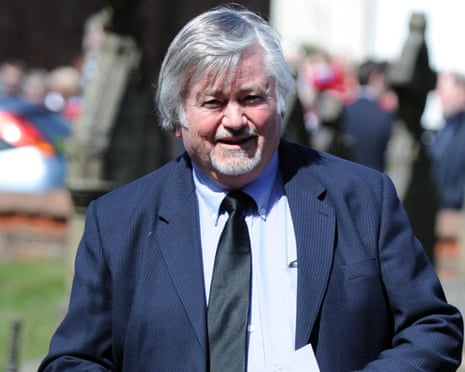
What set Roger Cook apart was not just his reporting — it was his method.
He frequently went undercover to expose criminal networks, fraudsters, and corrupt operations. Unlike many journalists who observe from a distance, Cook often placed himself directly in harm’s way, confronting individuals involved in organised crime and wrongdoing.
There were moments when interviews turned hostile. Moments when threats were made. Moments when the camera captured not just investigation, but genuine danger unfolding in real time.
It earned him a reputation that few in journalism could match — and a nickname that followed him for years: one of Britain’s most fearless investigative reporters.
But bravery always comes at a cost.
Cook was often exposed to hostility, intimidation, and physical risk during his investigations. Yet even in the face of danger, he never appeared to retreat from his mission: to expose what others tried to hide.
The Cook Report: Television That Changed Consequences

Launched in 1987, The Cook Report quickly became one of ITV’s most powerful current affairs programmes. It was not designed to comfort viewers — it was designed to confront them with uncomfortable truths.
Episodes tackled corruption, fraud, organised crime, and failures in public systems. Many investigations went beyond television impact, contributing to legal action and real-world consequences for those exposed.
Roger Cook was not simply reporting stories; in many cases, he was helping to change outcomes.
This blurred line between journalism and justice is part of what made his work so impactful — and controversial. Some admired his determination, while others questioned the risks involved in his approach. But no one denied the influence he had on British investigative broadcasting.
A Career That Shaped Generations
Over time, Cook became a benchmark for investigative journalism in the UK. His style influenced a generation of reporters who followed in his footsteps — journalists like Dermot Murnaghan and Ross Kemp, who later brought their own versions of undercover reporting to television.
But many within the industry have long acknowledged that Roger Cook was one of the originals — a pioneer who helped define what modern investigative television could look like.
He was not polished in the way of studio presenters. He was not distant or detached. Instead, he was present, direct, and often emotionally invested in the stories he pursued.
That authenticity is what made him stand out — and what made him unforgettable.
“The Bravest Reporter on British Television”
Throughout his career, Cook earned widespread respect from colleagues, broadcasters, and viewers alike. ITV itself paid tribute following news of his death, describing him as one of the most trusted and respected figures in broadcasting.
In its statement, the network highlighted how his groundbreaking approach to journalism helped expose criminal wrongdoing and contribute to meaningful legal and social change.
For many viewers, however, his legacy is even simpler: he was the man who refused to be intimidated.
On social media, tributes quickly began pouring in. One fan wrote that they grew up watching The Cook Report and were “always amazed at his courage and fearlessness.” Another described him as “a giant of investigative reporting,” while others reflected on how his work shaped their understanding of justice and accountability.
Television personality Lizzie Cundy also shared her condolences, calling him a “fantastic reporter” and praising his bravery and impact on the industry.
A Legacy Written in Truth and Courage
As news of his passing continues to resonate, what remains most powerful is not just the sadness of loss — but the weight of legacy.
Roger Cook did not simply report stories. He confronted them. He entered environments where truth was hidden, where corruption thrived, and where many preferred silence.
And he did so repeatedly, for decades, without stepping back from the responsibility he had chosen.
His career stands as a reminder of a different era of journalism — one where investigation meant risk, and reporting meant presence, not distance.
The Final Broadcast
Roger Cook’s death marks the end of a remarkable chapter in British television history. But while his voice is now silent, the impact of his work continues to echo through the industry he helped shape.
He leaves behind not only a grieving family, but also a legacy of courage that few will ever match.
For millions who watched him over the years, one truth remains unchanged:
Roger Cook was not just a reporter.
He was a symbol of fearless journalism — and that legacy will never fade.


