
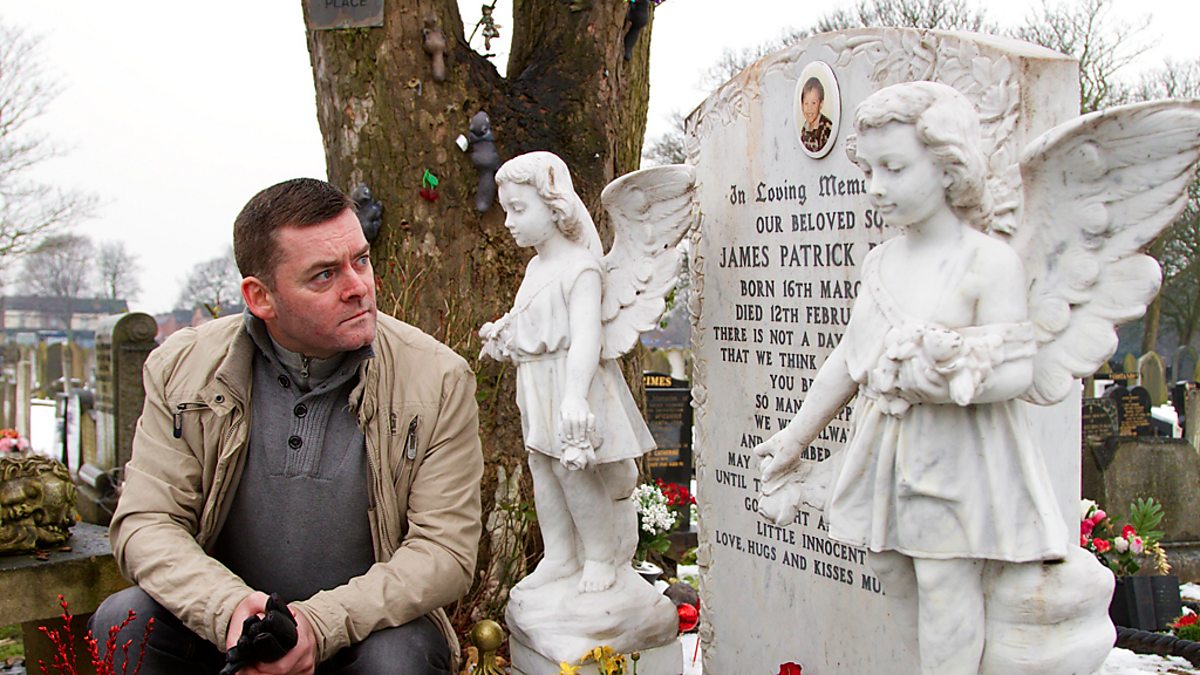
 For more than three decades, Denise Fergus has lived with a grief no parent should ever be forced to endure.
Now the mother of murdered toddler James Bulger is once again confronting the possibility that Jon Venables, one of the two boys convicted of killing her son, could be considered for release.
A fresh parole review has reopened one of Britain’s most painful criminal cases and returned Denise to a battle she has repeatedly described as emotionally exhausting.
The latest publicly confirmed developments indicate that Venables’ case is being considered again by the Parole Board, more than two years after his previous application was refused.
Denise has also been given permission to observe the forthcoming hearing — a significant change after James’s family was unable to attend the closed proceedings in 2023.
At the time of writing, no official public decision from the latest review has been announced.
 A crime that shocked Britain
James was two years old when he was abducted from the Strand shopping centre in Bootle, Merseyside, on February 12, 1993.
Venables and Robert Thompson, who were both ten, led him away before murdering him near a railway line.
The crime horrified the country and prompted lasting debate about youth justice, punishment and rehabilitation.
Venables and Thompson were convicted later that year and detained in secure accommodation.
They were released on licence in 2001 after serving eight years and were given new identities protected by lifelong anonymity orders.
Thompson is not publicly known to have reoffended since his release.
Venables, however, has twice been returned to prison following offences involving indecent images of children.
 Previous release ended in recall
Venables was first recalled to custody in 2010 after illegal images were discovered on his computer and he was found to have breached the conditions of his licence.
He was released again in 2013.
Four years later, he was returned to prison after committing further offences involving child abuse images.
That history has remained central to Denise’s opposition to any further release.
She has argued that repeated breaches demonstrate that previous attempts to manage Venables safely in the community were unsuccessful.
For James’s family, each new review brings back fears that they believed had already been settled.
The 2023 decision
Venables’ previous parole application was rejected following a private two-day hearing in 2023.
The Parole Board concluded that it was not satisfied his release would be safe for the protection of the public.
Its published summary raised concerns about his ability to communicate openly and honestly with professionals responsible for assessing and managing his risk.
The panel concluded that further work was required before his risk could be considered manageable outside prison.
Denise welcomed the decision, describing it through a spokesperson as a moment the family had waited years to experience.
After decades of uncertainty, the rejection offered temporary relief.
But parole decisions are subject to future review, and the process has now begun again.
Denise prepares to fight once more
The new proceedings have forced Denise to return to the public campaign she has maintained in James’s name.
She has said that parole hearings are mentally draining and prevent her from focusing on the quieter family life she values.
When no legal battle is taking place, she wants simply to be a mother and wife.
But when Venables’ future is reconsidered, she feels compelled to stand up again.
Denise has called for changes to the law governing offenders who repeatedly breach licence conditions.
She believes that someone returned to prison multiple times after release should eventually lose the opportunity to seek freedom again.
Her argument is rooted in both personal experience and concern for public protection.
A hearing the family can observe
Reports in January 2026 stated that Denise had been granted permission to observe the latest parole hearing.
That would allow her to follow proceedings more directly than in 2023, when James’s relatives were unable to attend, although their victim statements were considered.
The hearing is still expected to take place under strict privacy protections.
A lifelong legal order prevents the publication of information capable of revealing Venables’ current identity or location.
Those restrictions are intended to protect him from serious threats, but Denise has repeatedly expressed frustration at the imbalance they create.
She has said Venables may have access to information about her public life while his own circumstances remain almost entirely hidden from James’s family.
How parole decisions are made
The Parole Board’s role is not to retry the original murder or determine whether the punishment has been emotionally sufficient.
Its legal task is to decide whether an offender’s risk can be safely managed in the community.
A panel may examine hundreds of pages of reports and hear evidence from prison staff, probation officers, psychologists and psychiatrists.
The original crime, behaviour in custody, evidence of change and the impact on victims may all be considered.
Victim personal statements allow families to explain the continuing consequences of an offence, although the final decision must centre on future risk.
That distinction can be especially painful for victims’ relatives, who are repeatedly required to revisit the past while the system assesses what might happen next.
No confirmed outcome yet
Online reports have included claims about secret legal tactics, dramatic appeals and an imminent release.
Those claims should be approached cautiously unless supported by the Parole Board, the Ministry of Justice or established news organisations.
The confirmed position is that a fresh review was initiated and a further hearing reported.
There has been no reliable public confirmation that Venables has been approved for release.
Nor is there evidence that a final decision has yet been published.
Until that happens, the outcome remains uncertain.
A mother’s enduring fight
For Denise, the review is not an abstract legal procedure.
It is another chapter in a struggle that began when James was taken from her in 1993.
She has spent decades campaigning to preserve his memory, support other victims and argue for changes in the justice system.
Every parole review forces the family to confront the crime again.
Every delay prolongs the uncertainty.
And every possibility of release raises questions they had hoped never to face.
The nation may watch the case as a major legal and public-interest story.
For Denise Fergus, however, it remains painfully personal.
It is the continuing story of a mother seeking protection, accountability and peace — while waiting once again for a decision that could reshape her family’s life.


