
A dramatic story claiming BBC Breakfast presenter Charlie Stayt tearfully announced that he was leaving the corporation to care for his seriously ill wife has begun circulating online.
The posts describe an emotional television moment in which the veteran broadcaster supposedly struggled to hold back tears before declaring: “I need to leave the BBC and be by her side right now.”
However, there is currently no credible evidence that such an announcement took place.
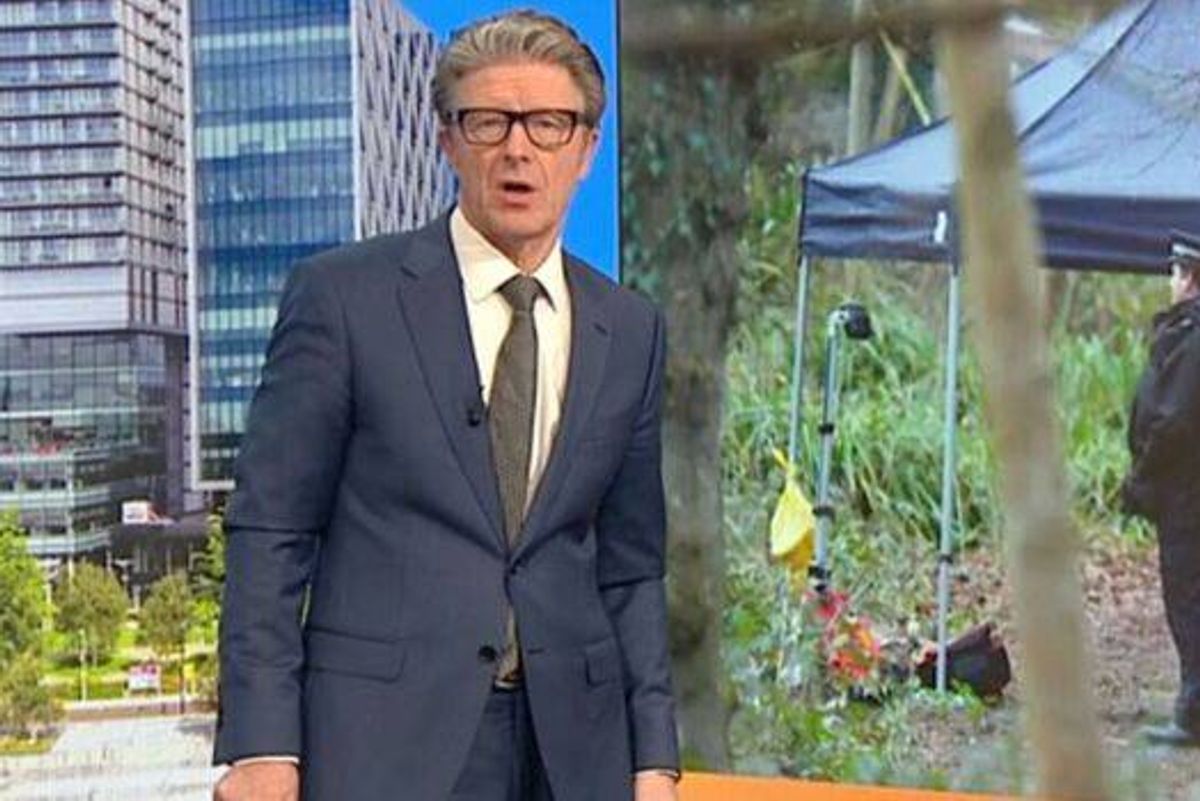
No verified BBC statement, established UK news report or authenticated social-media post from Stayt has confirmed that his wife is suffering from a serious health condition.
There is also no reliable footage showing him making the words attributed to him.
That distinction matters because the story involves private medical information about a person who has largely remained outside public life.
Stayt has been married to Anne Breckell, also known as Annie, for many years. The couple have generally kept their marriage and children away from the spotlight, meaning genuine information about their private lives is limited.
The absence of public detail should not be treated as an invitation to invent it.
Health stories involving famous people often spread quickly because they combine fear, emotion and recognisable names. A headline describing a television presenter breaking down on air can appear believable, particularly when accompanied by generic photographs or unrelated video clips.
But emotional language is not evidence.
The article circulating about Stayt offers no date for the alleged broadcast, no programme clip, no named BBC spokesperson and no direct link to an official statement.
It repeatedly describes reactions from viewers and colleagues without identifying where those comments were published.
Those are warning signs that readers should pause before sharing the claim.
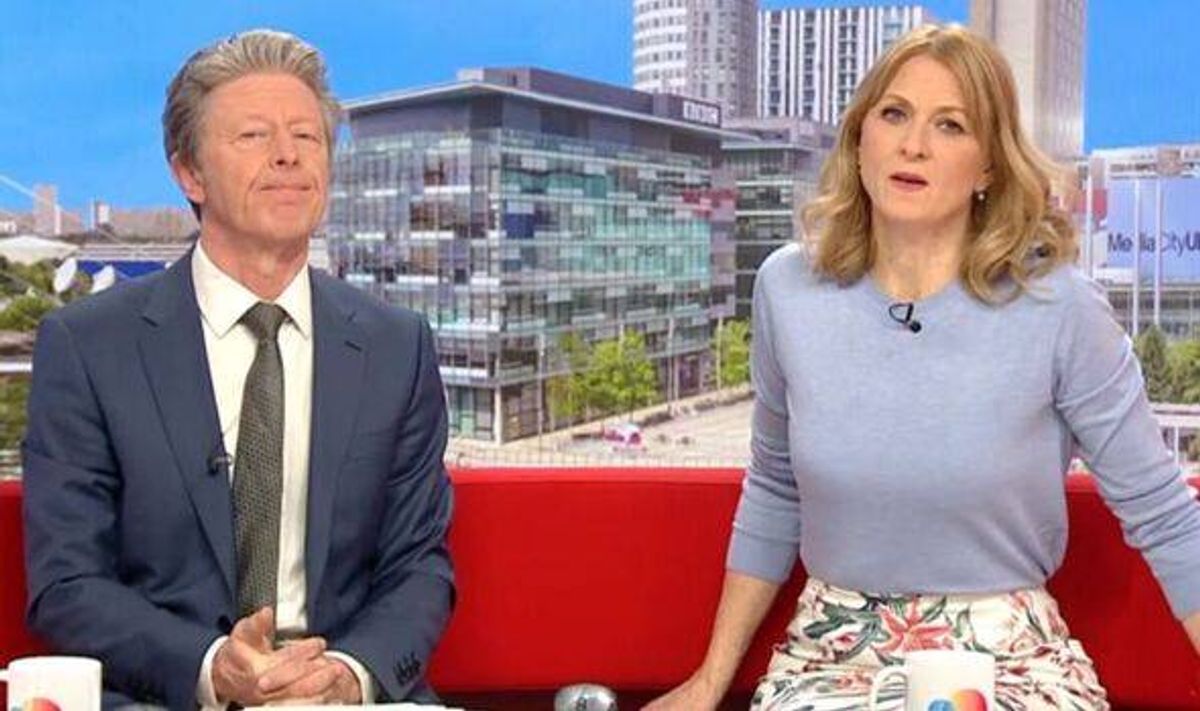
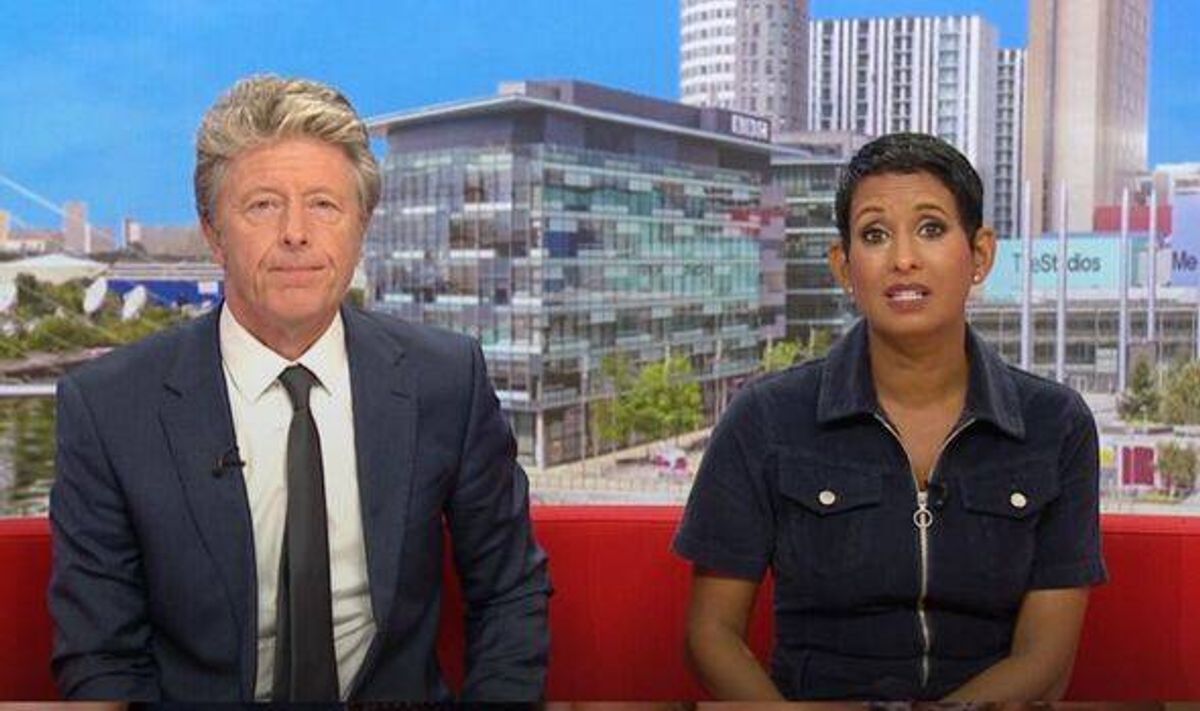
Recent credible coverage has continued to identify Stayt as a BBC Breakfast presenter. He was seen hosting the programme with Naga Munchetty in January 2026 during an interview about actress Cheryl Fergison’s recovery from a stroke.
When viewers later questioned his absence from an emotional BBC Breakfast broadcast in April, reports suggested he was simply taking annual leave. There was no mention of his wife’s health or a decision to leave the BBC.
That does not prove that the family could never face private difficulties. It simply means no responsible publication should state that they have without confirmation.
Medical matters are especially sensitive.
Claiming that someone is seriously ill can cause distress to relatives, create unnecessary public alarm and place pressure on a family to respond to a story they never chose to share.
It can also mislead fans who may believe they are sending support in response to a genuine announcement.
Stayt has spent two decades as a familiar presence on BBC Breakfast, where his measured interviewing style and partnership with fellow presenters have made him recognisable to millions of viewers.
Because audiences feel they know television personalities, fabricated personal stories can spread faster than ordinary rumours.
The emotional premise is easy to understand.
Many people would admire someone who stepped away from a major career to care for a spouse. The themes of love, sacrifice and family naturally resonate.
But a meaningful message does not justify attaching invented circumstances to a real person.
Until Charlie Stayt, his representatives or the BBC make a verified announcement, claims that he cried on air, disclosed his wife’s medical condition and immediately left his job should be treated as unconfirmed.
A safer and more accurate headline would be:
“Unverified Charlie Stayt Health Claim Circulates Online As Fans Urged To Check Sources”

Readers should look for an original broadcast clip, an official BBC report or a statement published through a verified account before accepting such claims.
For now, the responsible conclusion is simple.
There is no reliable public confirmation that Charlie Stayt has left BBC Breakfast because of his wife’s health.
Concern may be understandable.
But privacy, accuracy and evidence must come first.


