
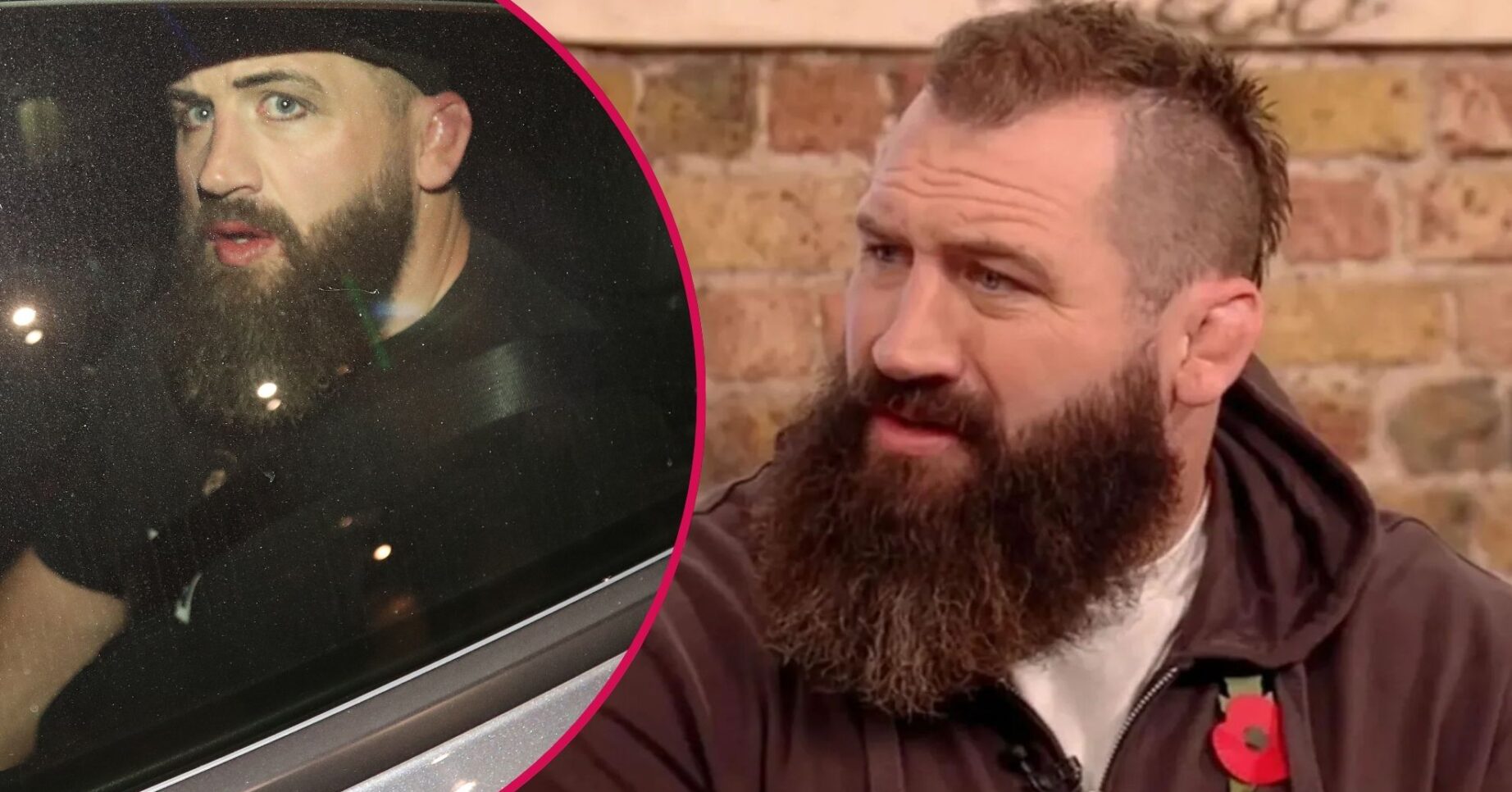
 Joe Marler, the former rugby star turned reality TV personality, has revealed a deeply frightening and personal experience that has haunted him for years — a condition that left him paralysed, terrified, and screaming at the top of his lungs. The 34-year-old, best known for his appearances on Celebrity Traitors and his ongoing podcast Things People Do, shared his harrowing ordeal during a candid conversation with comedian and interviewer Danny Robins last year.
While Marler has faced the pressures of professional rugby, reality television, and public life, it was the supernatural-like experience of sleep paralysis that truly shook him. Speaking openly about the recurring moments, he described a chilling sensation that made him question whether he was alone in his home.
“I am intrigued to know if some of the stuff I have experienced is due to a ghost or if there is an explanation,” Marler admitted. “I always have this recurring moment that there is this figure in my doorway and it is not me or one of the four kids. It is bigger, a figure in the doorway. It is like I can feel him staring at me and I am [bleep]ing myself and I can’t move. I am paralysed and screaming at the top of my voice: ‘[bleep] off get out of here, what do you want?’”
He went on to recount the helplessness he feels in these moments, unable to defend himself physically despite the terror coursing through his body.
“I want to reach for my baseball bat but I can’t. And then that happens so many times, but there is this perverse thing in me that kind of enjoys it,” Marler said.
The former England prop’s account paints a vivid picture of a struggle that is equal parts terrifying and baffling — a battle that takes place in the thin line between sleep and wakefulness.
Sleep Paralysis Explained
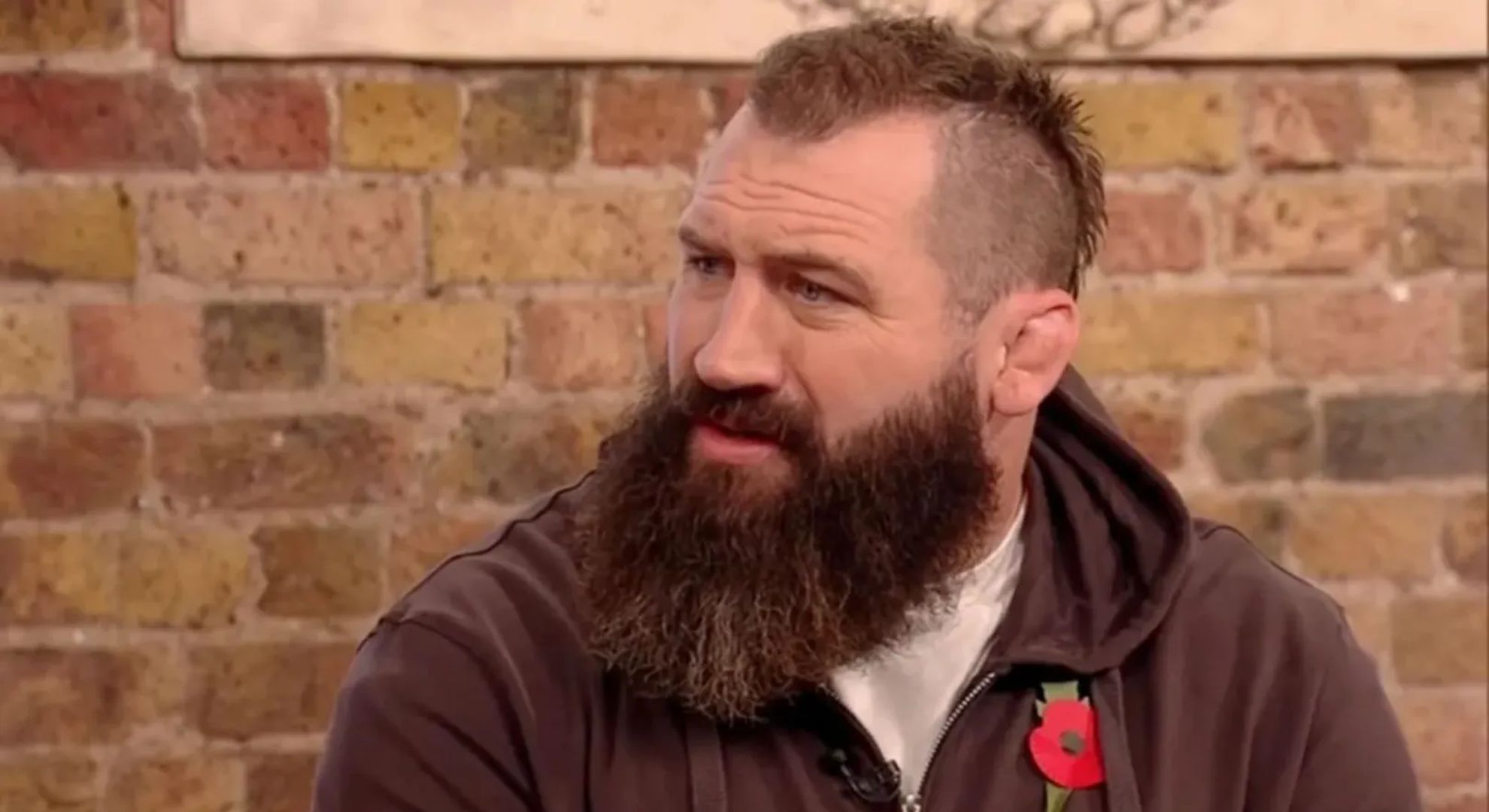 Marler’s fears initially leaned toward the supernatural, prompting concern and curiosity. However, Robins reassured him and provided a medical explanation: Marler was experiencing a common but terrifying phenomenon known as sleep paralysis.
Sleep paralysis occurs when the body temporarily “locks down” during REM (rapid eye movement) sleep, a natural mechanism designed to prevent people from acting out their dreams. While harmless in itself, the experience can feel overwhelmingly real, especially when combined with vivid dream imagery or the sensation of a presence in the room.
“It paralysed you so you don’t get up and jump out of a window,” Robins explained. “But sometimes it goes wrong and you are stuck in a state when you are awake, and your body is locking you down while you are seeing sleep imagery in front of you.”
This condition, while alarming, is surprisingly common. Many people who believe they have been visited by ghosts or supernatural entities during sleep are, in fact, experiencing sleep paralysis.
Personal Struggles and Mental Health
 Marler has been open about his mental health journey in recent years, advocating for awareness and support for those struggling with emotional challenges. As an ambassador for the Campaign Against Living Miserably (CALM), he uses his platform to encourage conversation and reduce stigma around mental health issues.
“I’ve been in places where I didn’t know who to talk to,” Marler said in earlier interviews. “The combination of public scrutiny, physical pain from rugby, and personal pressures can be overwhelming. Sleep paralysis just adds another layer of fear that you can’t explain, and that’s terrifying in its own right.”
Despite the intensity of these episodes, Marler has managed to channel his experiences into advocacy, helping others understand the importance of mental well-being. His transparency has resonated with fans, particularly those who have experienced sleep paralysis themselves.
A Closer Look at the Episodes
 Marler described a recurring visual he encounters: a shadowy figure in the doorway. The figure’s size, combined with the feeling of being intensely watched, triggers a physiological response: the heart races, adrenaline spikes, and the body is trapped in paralysis.
“It’s not just fear,” he said. “It’s helplessness. You can’t move. You can’t scream properly. You’re completely aware, but your body doesn’t respond. It’s the ultimate horror scenario, but it happens while you’re in your own home.”
Marler’s candid description provides one of the clearest celebrity accounts of sleep paralysis, offering insight into the psychological and physical impact of the condition.
Balancing Fame and Vulnerability
For a man accustomed to high-stakes physical competition, from international rugby to reality television, sleep paralysis represents a different kind of challenge — one that cannot be conquered with strength or skill alone. Marler’s openness about the episodes humanizes him, showing that even elite athletes are not immune to mysterious, uncontrollable experiences.
His willingness to discuss these moments publicly also helps dismantle the stigma around sleep-related disorders, mental health, and vulnerability in men.
“People see you on TV or on the field, and they assume you’re untouchable,” Marler said. “But these moments remind you that everyone has something they’re battling, even if it’s invisible.”
Celebrity Response and Fan Support
Fans and media outlets alike have praised Marler’s honesty. By sharing his experience, he provides reassurance to those who might have feared they were alone in experiencing similar episodes. Social media has been flooded with messages from fans who expressed relief and gratitude after hearing his story, with many commenting on how relatable the account felt.
“I’ve had this too, and I thought I was going crazy,” one fan wrote on Instagram. “Thank you for talking about it openly — it helps so much to know I’m not alone.”
This response underscores Marler’s influence beyond sports and entertainment, positioning him as a figure who bridges athletic fame with genuine advocacy.
Moving Forward
As Joe Marler continues his career in media, including his podcast Things People Do and appearances on shows like Celebrity Bridge of Lies, he remains a vocal advocate for mental health awareness. The sleep paralysis story is one example of his broader mission: to normalize conversations about struggles that are often hidden behind closed doors.
Marler’s honesty about both the terrifying and the human side of sleep paralysis adds a layer of depth to his public persona. He demonstrates that courage is not only about physical feats but also about facing and sharing one’s inner fears.
Final Thoughts
Joe Marler’s accounts of being paralysed, screaming at the top of his lungs, and feeling watched by a shadowy figure highlight a condition that can be as psychologically harrowing as it is physically immobilizing. By speaking openly, Marler sheds light on sleep paralysis, helping to educate the public and normalize discussions about mental health and sleep disorders.
“There’s nothing to be ashamed of,” he emphasized. “It’s real, it’s frightening, and it happens to more people than you think. Talking about it is the first step to understanding it — and that’s what I hope to do.”
Whether on the rugby pitch, reality TV set, or podcast microphone, Joe Marler continues to show resilience, authenticity, and a commitment to using his experiences to help others navigate the unexpected challenges that life throws their way.


