
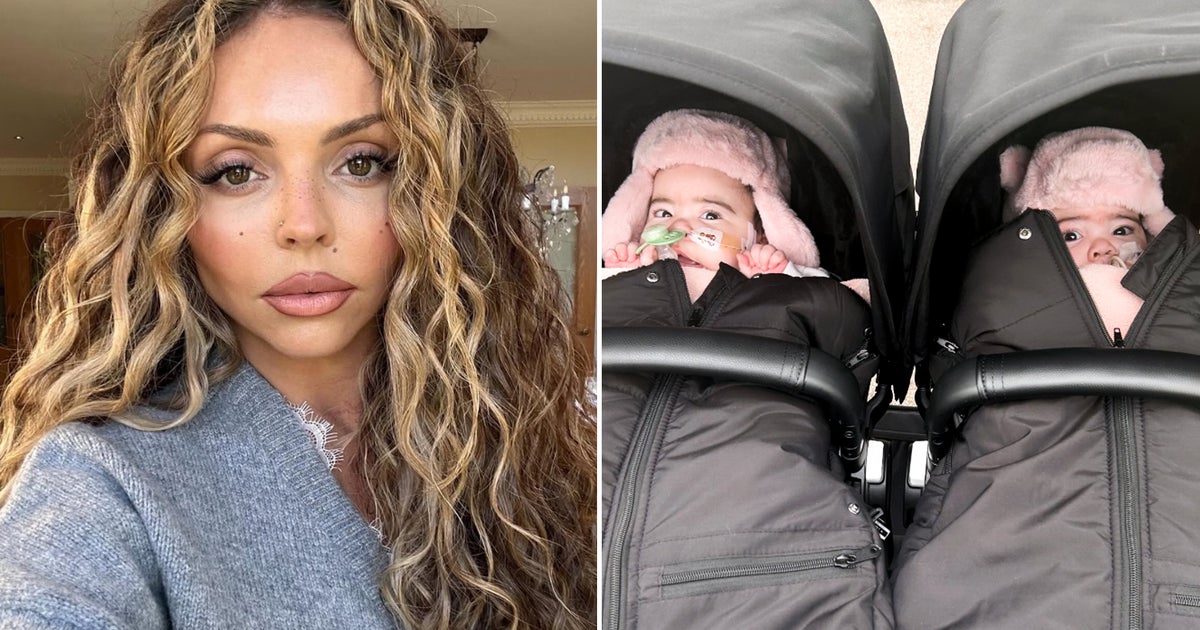
A major breakthrough for children with spinal muscular atrophy (SMA) is set to transform lives across the UK, thanks in part to the tireless campaigning of pop star Jesy Nelson. Following the heartbreaking diagnosis of her twins, Ocean Jade and Story Monroe Nelson, with the rare genetic condition, NHS England has announced that hundreds more children suffering from SMA will now gain access to life-changing therapies.
SMA is a devastating condition that causes progressive muscle weakness, affecting movement, breathing, swallowing, and even basic motor control. For the most severe cases, infants may not survive past the age of two without intervention. Historically, treatment options were limited, often leaving families with heartbreakingly little hope. But with new therapies now approved for widespread use, the landscape of SMA care is changing dramatically.
Among the most groundbreaking therapies is nusinersen, also known as Spinraza, administered through periodic spinal injections, which has shown remarkable efficacy in slowing the progression of SMA. Alongside this, the oral treatment risdiplam, marketed as Evrysdi, offers a daily dose that can be taken in syrup or pill form, providing a non-invasive option for families. Both drugs were initially available under special access schemes while further real-world evidence was gathered.
The National Institute for Health and Care Excellence (NICE) has now endorsed these treatments for routine use on the NHS, providing official guidance that highlights their ability to improve survival rates, slow disease progression, and help children maintain independence. As Helen Knight, director of medicines evaluation at NICE, explained, these therapies “can help people live longer, maintain their independence, communication and participation in everyday life, and reduce the need for hospital care.”
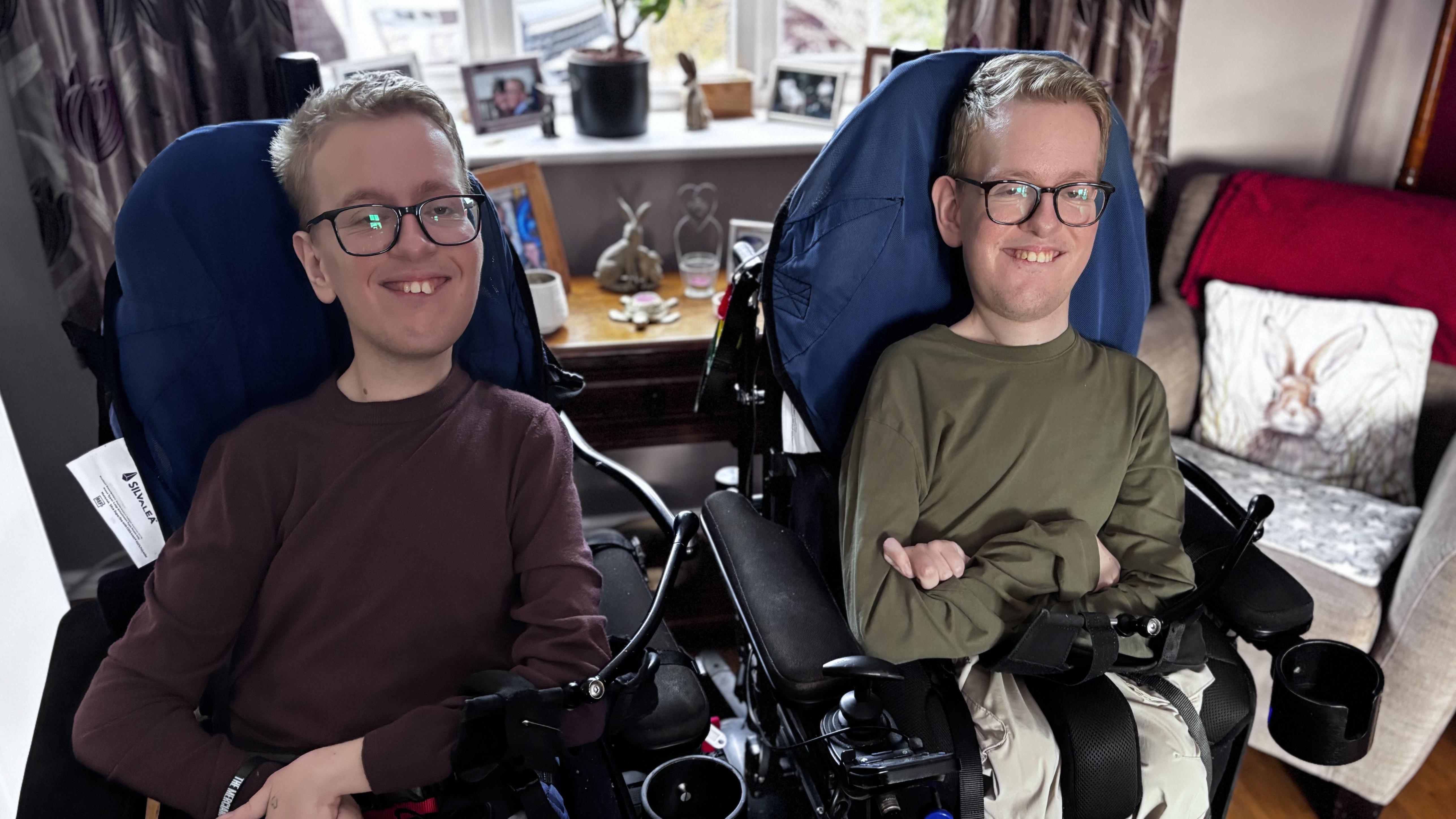
 The first child to benefit under the early access scheme was Ezra Thorman, now nine, who began treatment with nusinersen at just five months old. His mother, Portia Thorman, described the profound impact of the therapy: “Starting mainstream school is a milestone we were once told Ezra would never reach. His SMA Type 1 diagnosis in 2016 came with a life expectancy of under two years. Accessing treatment at just five months fundamentally changed the course of his life.”
Each year, around 70 babies are born in the UK with SMA, and there are approximately 1,150 people currently living with the condition in England. NHS data shows that more than 350 people with SMA aged five and over are already receiving treatment, with a combination of nusinersen, risdiplam, and gene therapy Zolgensma, which has been incorporated into the NHS care pathway.
Professor James Palmer, national medical director for specialised services at NHS England, hailed the approval as “a phenomenal step forward in care for children and families affected by such a debilitating condition.” He emphasized the profound change these therapies represent, giving families a new sense of hope after facing what often seemed like insurmountable odds.
Jesy Nelson has been a prominent advocate for SMA awareness since her twins were diagnosed. The singer, who has experienced firsthand the emotional weight of such a diagnosis, campaigned vigorously for the NHS to roll out both treatment access and expanded newborn screening. Public health minister Sharon Hodgson praised the decision, saying: “Drawing on both clinical evidence and the real-world experiences of patients already receiving treatment, this decision will help ensure more people with SMA can access the care and support they need to live fuller, more independent lives.”
Nelson’s personal story has struck a chord with the public. Her twins’ diagnosis revealed the urgent need for early intervention. SMA can cause progressive muscle wastage, tremors, and bone and joint complications, with serious implications for a child’s mobility and independence. By campaigning for SMA to be added to the routine newborn blood spot screening—already used to detect life-threatening conditions—she has shone a light on a previously under-recognized area of pediatric care.
 In addition to supporting treatment access, Nelson has highlighted the importance of early detection. The University of Oxford is now conducting a study to assess whether SMA screening should be included in post-birth checks for all babies, examining feasibility, acceptability, cost-effectiveness, and clinical benefit. Early diagnosis, coupled with access to effective therapies, has the potential to prevent irreversible damage and dramatically improve quality of life.
Giles Lomax, chief executive of SMA UK, called the announcement “a historic moment for the SMA community,” acknowledging the years of advocacy by families, charities, clinicians, and public figures like Jesy Nelson that helped make this change possible. He added: “After years of uncertainty, people can finally feel confident that nusinersen and risdiplam will remain available on the NHS.”
For families affected by SMA, the emotional impact cannot be overstated. Parents who had been preparing for the heartbreak of losing a child now have hope that their children can enjoy school, play with friends, and grow toward independence. The accessibility of these therapies represents a seismic shift in care standards, giving families something they previously thought impossible: a chance at a fuller life for their children.
Jesy Nelson’s advocacy highlights the crucial role of public figures in healthcare policy and awareness. Her openness about her personal struggles and the challenges her twins face has amplified the voices of thousands of families in similar circumstances. Social media platforms have become a conduit for awareness campaigns, allowing celebrities to drive change and engage with policymakers directly.
The combination of treatment availability, research into newborn screening, and Nelson’s campaigning marks a turning point in the UK’s approach to SMA. From life-threatening to life-changing, these therapies provide children with the tools they need to achieve milestones once thought impossible. Families who had faced unimaginable stress now have optimism, and the NHS has set a precedent for early intervention in rare genetic conditions.
As Tyler Nelson, Jesy’s representative, noted, “This is not just about treatment—it’s about giving families hope, giving children a chance to live independently, and transforming what was once a dire prognosis into a life full of potential and opportunities.”
 With these developments, the UK joins a global effort to ensure children with SMA receive timely and effective interventions. The spotlight on Jesy Nelson’s advocacy has also inspired discussions about other rare genetic conditions, reinforcing the importance of early diagnosis, accessible therapies, and public awareness campaigns.
For now, families, clinicians, and advocates alike are celebrating a historic step forward. The inclusion of nusinersen and risdiplam in routine NHS care is not merely a medical milestone—it is a story of hope, perseverance, and the power of advocacy to drive systemic change.
Source: The Independent


