
Keir Starmer Set to Reverse Position on Chagos Islands Deal Following US Backlash
Sir Keir Starmer is reportedly on the brink of reversing his stance on the Chagos Islands sovereignty transfer to Mauritius, following a significant setback in the ongoing diplomatic negotiations. The UK Prime Minister had previously proposed a bill to cede British control of the Chagos Archipelago to Mauritius, a move that was originally backed by former President Donald Trump. However, the bill has now been removed from the upcoming King’s Speech after Trump sharply criticized the agreement, calling it “an act of great stupidity.”
This policy reversal would mark Starmer’s 16th major U-turn since assuming office, further fueling debate over his leadership and decision-making. Despite Downing Street’s insistence on its commitment to the agreement, officials have quietly acknowledged that moving forward without US support is unfeasible.
Political Fallout and Diplomatic Strain
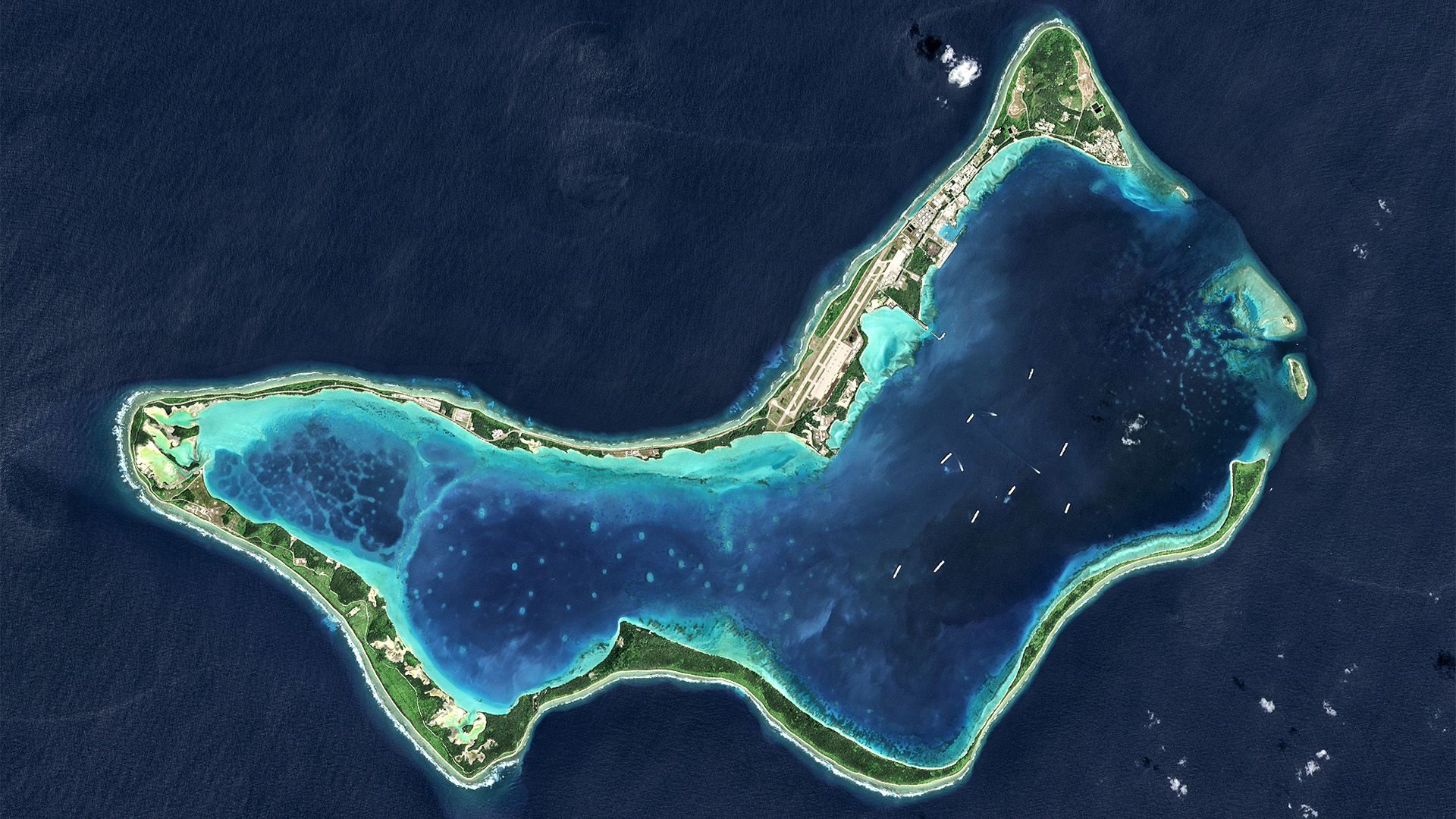
The Chagos Islands deal was initially seen as a diplomatic breakthrough, with the UK agreeing to cede sovereignty over the islands while retaining control over the Diego Garcia base under a 99-year lease. This base has been crucial for military operations, particularly during the Iran conflict. However, the deal has faced fierce opposition, both domestically and from the US, especially after tensions over NATO and Trump’s shifting foreign policy priorities.
Critics of the agreement, including members of the Conservative Party and Reform UK, have voiced strong opposition, arguing that it would violate a 1966 Anglo-American treaty that affirms British sovereignty over the islands. Critics have also raised concerns about the financial cost of the deal, which they estimate could rise to £35 billion over its lifespan, a figure starkly higher than the £3.5 billion initially projected.
Strategic Importance vs. Public Opposition
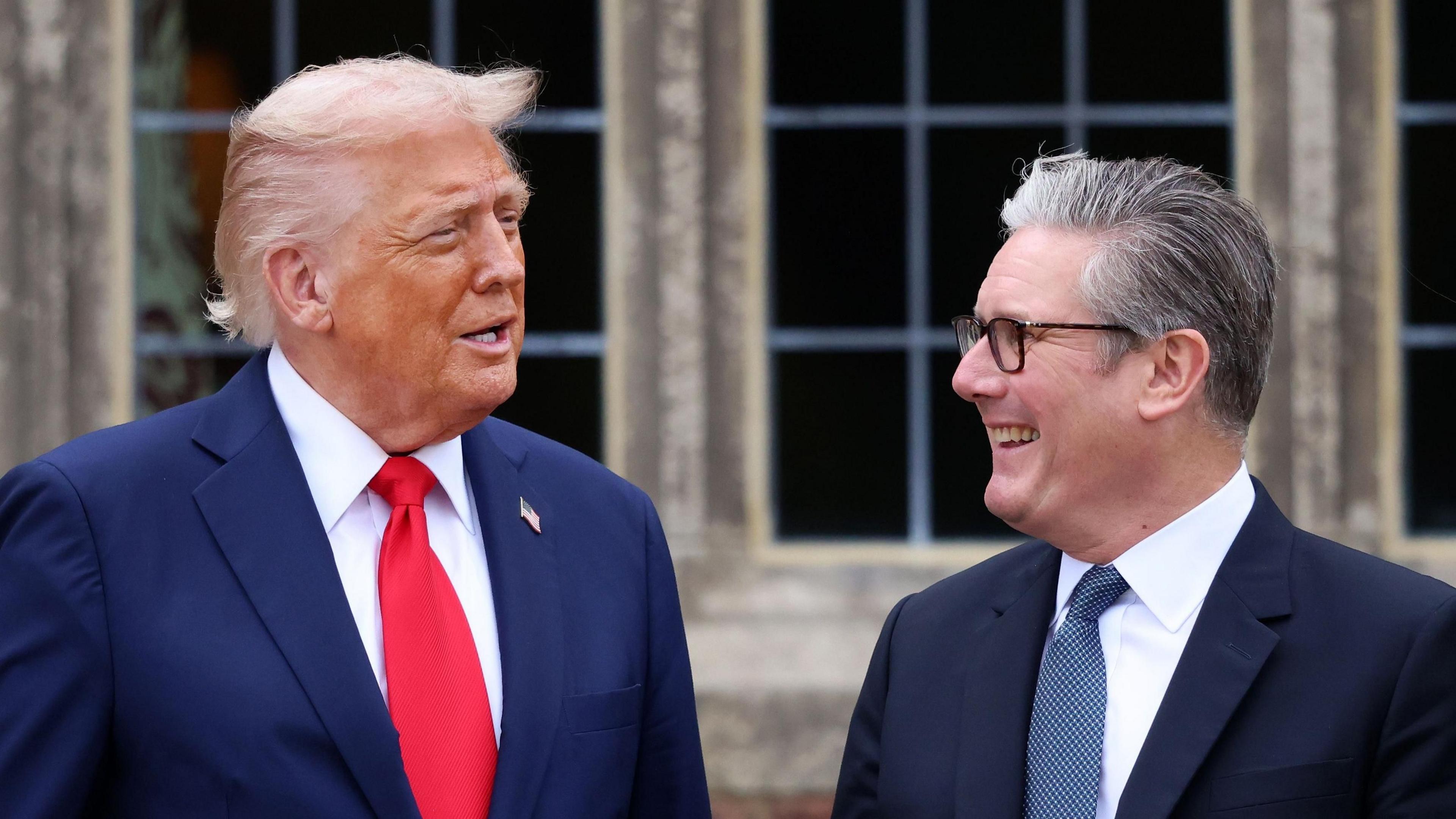
Despite the growing backlash, government sources have defended the deal, emphasizing the strategic importance of the Diego Garcia base. “Diego Garcia is a critical asset for both the UK and the US, and the deal was designed to secure its long-term operational future,” one official told The Times. However, the UK government has made it clear that any agreement would only proceed with the support of the US.
Diplomatic Delays and Legal Risks
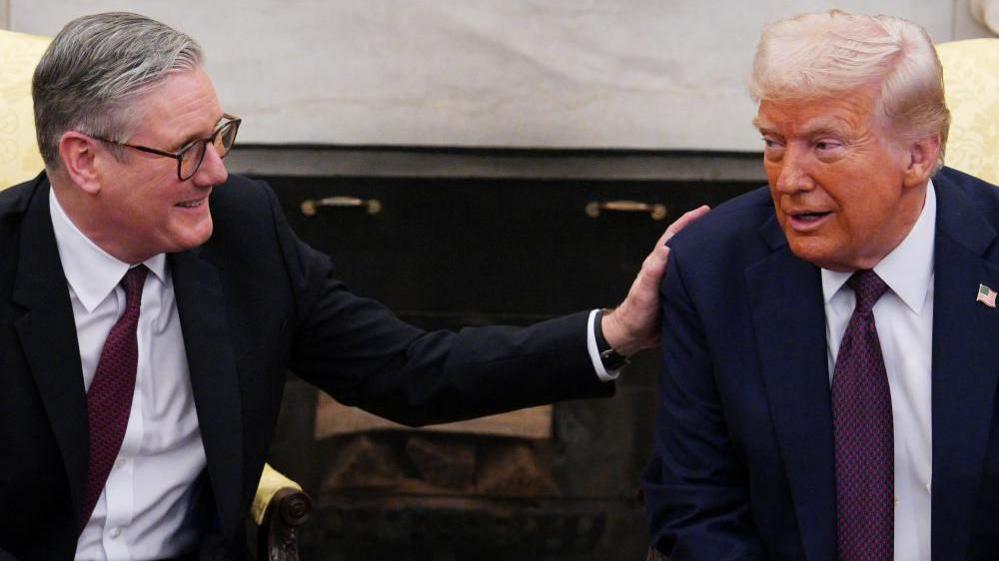
The UK government’s efforts to secure a deal have been hindered by delays in the American political system, leaving insufficient time for parliamentary approval. Meanwhile, relations between Starmer and Trump have soured significantly, particularly over the UK’s refusal to allow US forces to use British bases for strikes during the Iran conflict, a move that was met with harsh criticism from the US President.
As the diplomatic fallout continues, Conservative leader Kemi Badenoch has criticized Starmer’s handling of the situation, accusing the Prime Minister of mishandling the agreement from the outset. She described the potential collapse of the deal as a “great victory” for the UK.
Meanwhile, Mauritius may now pursue legal action against the UK through the International Tribunal on the Law of the Sea. If successful, this could allow Mauritius temporary access to the waters around Diego Garcia, which could disrupt key military operations, including nuclear submarine activities and naval patrols.


