
Mark Rutte Criticizes Keir Starmer’s Slow Response Amid Rising Tensions Over Iran
NATO Secretary General Mark Rutte has indirectly criticized UK Prime Minister Keir Starmer for the country’s delayed response to the ongoing conflict in Iran. Rutte’s comments followed tense discussions with US President Donald Trump about the military alliance’s support in the Middle East.
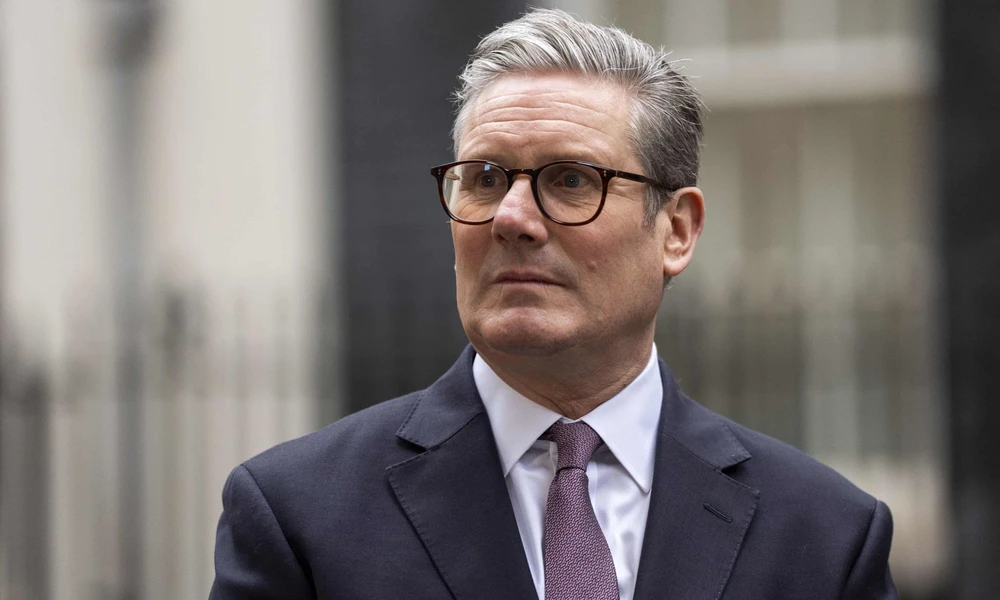
Speaking after a meeting with President Trump, Rutte said that some NATO allies, including the UK, were “slow to say the least” in reacting to the war with Iran. The comment pointed to the UK’s reluctance, particularly in allowing American warplanes access to British bases, which had strained the relationship between Starmer and Trump.
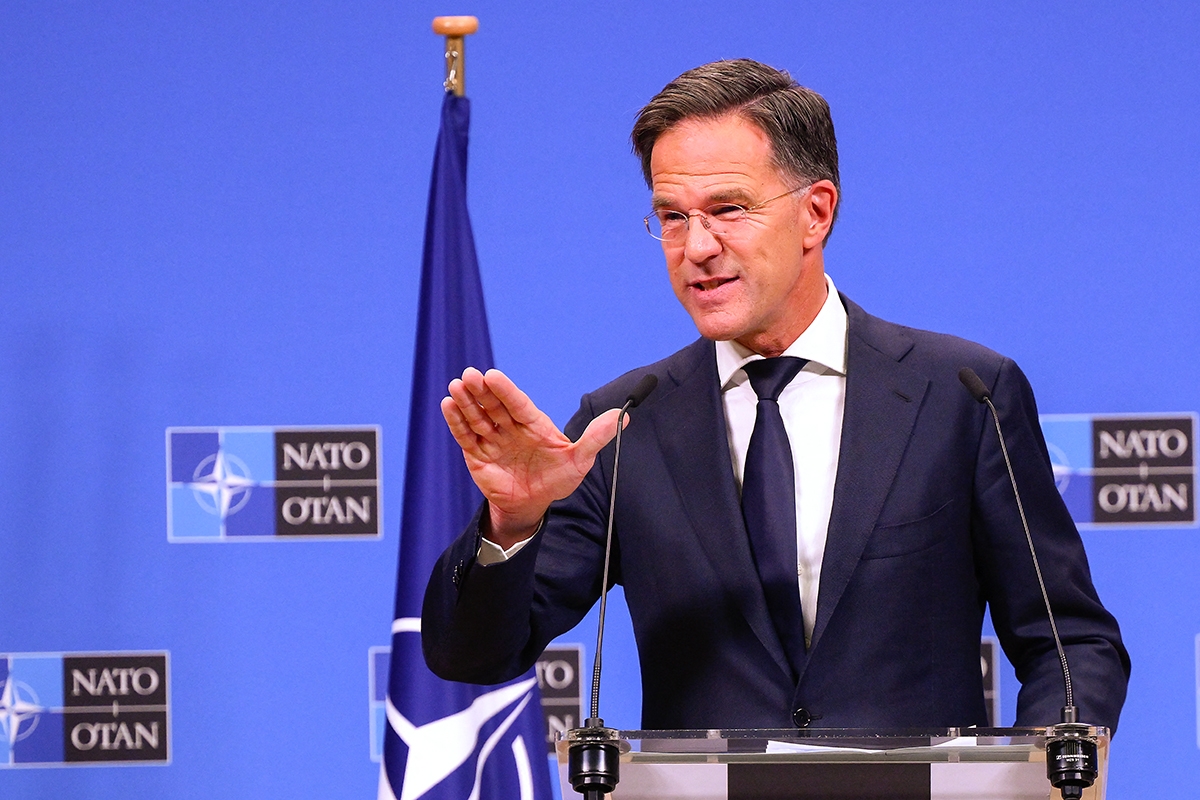
“There were delays in providing the logistical and other support that the United States needed in Iran,” Rutte stated, adding that the surprise nature of the initial US strikes had caught some allies off guard. “In fairness, they were also a bit surprised,” he said, acknowledging the complexities of the situation.
Despite the criticism, Rutte did praise the UK for its leadership in efforts to secure safe passage through the Strait of Hormuz. “The United Kingdom is leading a coalition of countries to align military, political, and economic efforts to ensure free passage through the Strait,” Rutte said, highlighting the UK’s key role in regional stability.
The disagreement between Starmer and Trump over the UK’s initial hesitation to join the US-led military action is part of a broader diplomatic struggle. Trump has publicly expressed frustration with NATO allies, accusing them of not providing adequate support during the early stages of the conflict.
Rutte’s remarks come as NATO works to strengthen its internal cohesion in response to US leadership on the global stage. He emphasized that NATO is not a “one-way” pact with the United States and that European allies must contribute more significantly to international security. “I see a true partnership on the transatlantic horizon,” Rutte remarked, expressing confidence that the alliance is evolving.
Following his meeting with Rutte, President Trump expressed his dissatisfaction on social media, declaring, “NATO wasn’t there when we needed them, and they won’t be there if we need them again.”
Despite these tensions, Rutte remained optimistic about the future of NATO, acknowledging the challenges but stressing the importance of collective commitment. “NATO is changing thanks to American leadership and a collective commitment to ensuring continued freedom and security,” Rutte concluded.


