
Rachel Reeves’ Tax Proposals Under Scrutiny: OECD Warns of Economic Setbacks
By Joe Sledge
Published: 10/04/2026 – 08:02
A new report has raised concerns about the tax policies proposed by Chancellor of the Exchequer Rachel Reeves, warning that they could negatively impact workers’ income and economic growth in the UK. According to the Organisation for Economic Co-operation and Development (OECD), Reeves’ approach could discourage economic activity by imposing high marginal tax rates on certain income groups, with some workers facing an effective tax rate of 60%.

The report highlights that approximately 700,000 individuals with incomes between £100,000 and £125,140 are particularly affected by the current tax structure. While the official income tax rate for this group is set at 40%, the removal of the personal tax allowance for earnings above £100,000 effectively pushes their marginal tax rate up to 60%. The OECD has called for a thorough review of the tax system to make it more effective and growth-friendly.

In addition to concerns over income tax, the OECD noted that families with incomes just above £100,000 could lose child care benefits entirely, a measure that could lead to significant financial strain for many households. This has led some high-income earners, including pilots and scientists, to reduce their working hours or purchase additional vacation days to remain below the £100,000 threshold.
Reeves’ tax proposals have also faced criticism for their impact on the UK’s economic output. According to experts, many workers are prioritizing financial stability over earning additional income due to the tax system, thus reducing overall productivity. The gradual withdrawal of child care benefits, which decrease once a household’s income exceeds £60,000 and are completely phased out at £80,000, has further fueled concerns about the fairness of the tax system.
The OECD has called for broader tax reforms, noting that the UK’s system has structural flaws, including outdated property valuations for local taxes and inefficiencies in VAT exemptions for items like food and children’s clothing. The report suggests that these elements contribute to inequality and inefficiency, urging the government to implement a more progressive approach, including increasing support for low-income households.
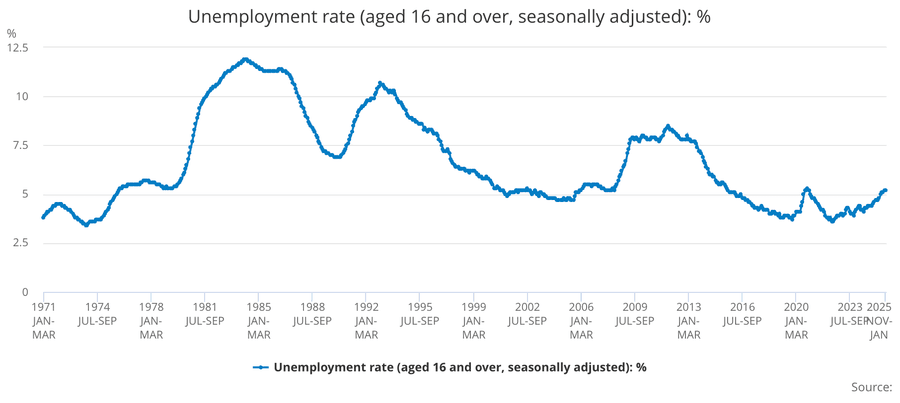
The OECD’s report also pointed to rising unemployment as a major factor undermining the UK’s economic growth in recent years. It noted that women, particularly those with caregiving responsibilities, are disproportionately affected by unemployment and limited access to affordable child care, which in turn hampers workforce participation.
While the report acknowledges ongoing efforts to reform child care services, it cautions that a lack of workforce planning and inadequate contingency measures could delay progress. Additionally, the OECD recommends stronger support for graduates to help them transition into the workforce, emphasizing the importance of addressing youth unemployment.


