
Martha MacCallum has long been known to millions of viewers as one of Fox News’ calmest and most composed anchors — a polished presence who can sit across from presidents, senators and political power players without flinching. But behind the steady voice and sharp questioning lies a career shaped by intense pressure, public criticism and deeply personal heartbreak. ✨
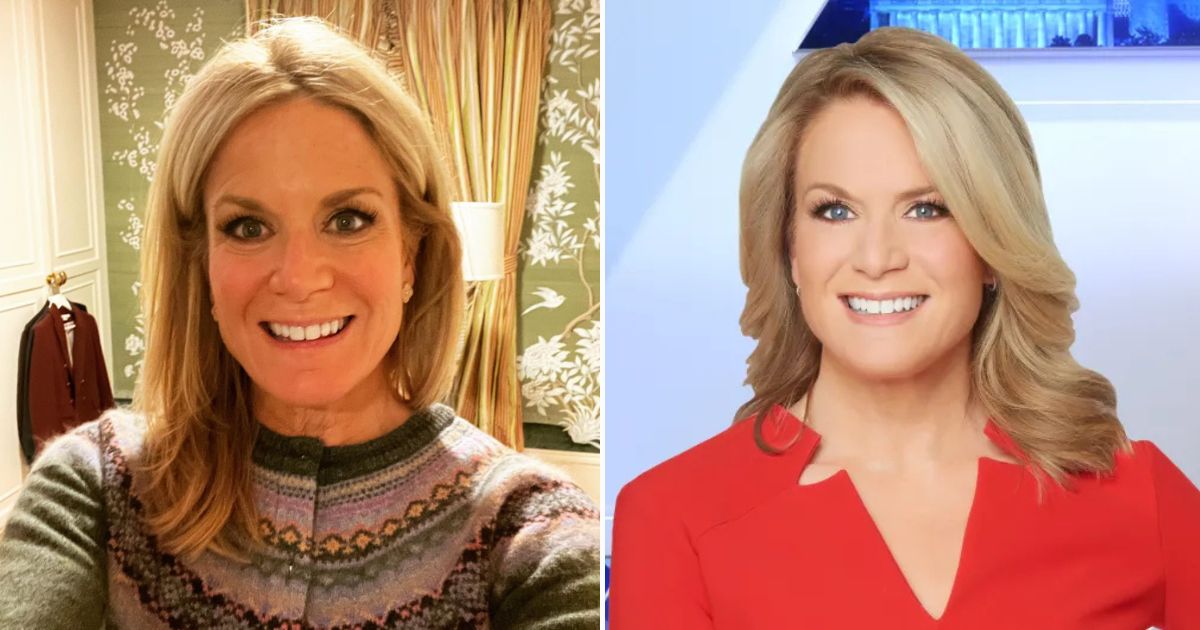
To viewers, MacCallum may seem unshakable. Since joining Fox News in 2004, she has become one of the network’s most recognisable journalists, building a reputation for tough political interviews and measured analysis. Over the years, she has spoken with major figures including Mitt Romney, John McCain and Chris Christie, while her profile rose even further during the early months of Donald Trump’s presidency.
Her programme The First Hundred Days followed the opening chapter of the Trump administration and helped cement her place as a major voice in political broadcasting. She later interviewed Trump on his 100th day in office, putting herself at the centre of one of the most closely watched political periods in modern American media. But that success did not come easily.
MacCallum’s path into television was not instant glamour. After graduating from St. Lawrence University in 1986, she began as a fact-checker for a financial magazine before moving through production roles and later working at CNBC. Those early years were demanding, stressful and far removed from the confidence viewers see today. 💪

In a 2024 interview with Woman’s World, MacCallum reflected on how overwhelming the pressure could feel when she was trying to prove herself. She admitted there were moments when the importance of an interview or a segment felt so heavy that she wanted to cry. Her advice to her younger self was simple but powerful: do the homework, work hard, and stop sweating the small stuff.
That quiet determination became part of her foundation. Every stressful segment, every difficult deadline and every early-career setback helped shape the anchor who now appears unruffled in some of television’s most tense political moments.

But MacCallum has not only had to fight professional pressure. She has also pushed back against criticism aimed at women in television news — criticism that often focuses more on appearance than experience. In 2017, after a Los Angeles Times columnist dismissed women at Fox News as “blond Barbie dolls,” MacCallum responded forcefully in Time, defending her colleagues as experienced, serious journalists.
Her response was personal as well as professional. MacCallum revealed that earlier in her own career, she had experienced harassment in the form of unwanted comments and advances. She described that period as ugly and said that if she had ever felt reduced to a “Barbie Doll,” it was then. Her words carried the frustration of a woman who had worked too hard, for too long, to have her professionalism casually dismissed. ⚡
Even as a veteran anchor, MacCallum has faced difficult live television moments. In 2018, she conducted a major interview with Brett Kavanaugh and his wife after allegations of sexual misconduct surfaced against him — an interview that drew national attention and placed her directly in the middle of a fierce political storm.

More recently, she has also dealt with on-air criticism and heated exchanges. After the first presidential debate in 2024, Trump said he would not want MacCallum involved in moderating another debate alongside Bret Baier. In 2025, an interview with Democratic Senator Chris Coons turned tense when he accused her of yelling, prompting MacCallum to fire back that she was simply trying to ask a question — because that was her job.
Those moments reveal the brutal reality of political journalism. Anchors are expected to remain composed while guests interrupt, critics attack and millions of viewers judge every word. For MacCallum, maintaining calm under that pressure has become part of her public identity. 🌟

But her toughest battles have not all happened under studio lights.
Away from the cameras, MacCallum has endured profound personal loss. Her mother, Elizabeth, died in April 2013 after a 13-year battle with breast cancer. MacCallum later said the disease never truly kept her mother down, explaining that it gave her a renewed glow for life. That experience shaped MacCallum’s own view of health, gratitude and resilience.
Then, in March 2025, she suffered another heartbreaking loss when her father, Douglas Clark MacCallum, died at the age of 92. In an emotional tribute, she described him as a wonderful father and a great friend, remembering his wisdom, charm and humour. She also noted his service as a lieutenant in the U.S. Navy during the Korean War.
Her consolation, she said, was believing that he was now reunited with her mother. 💔
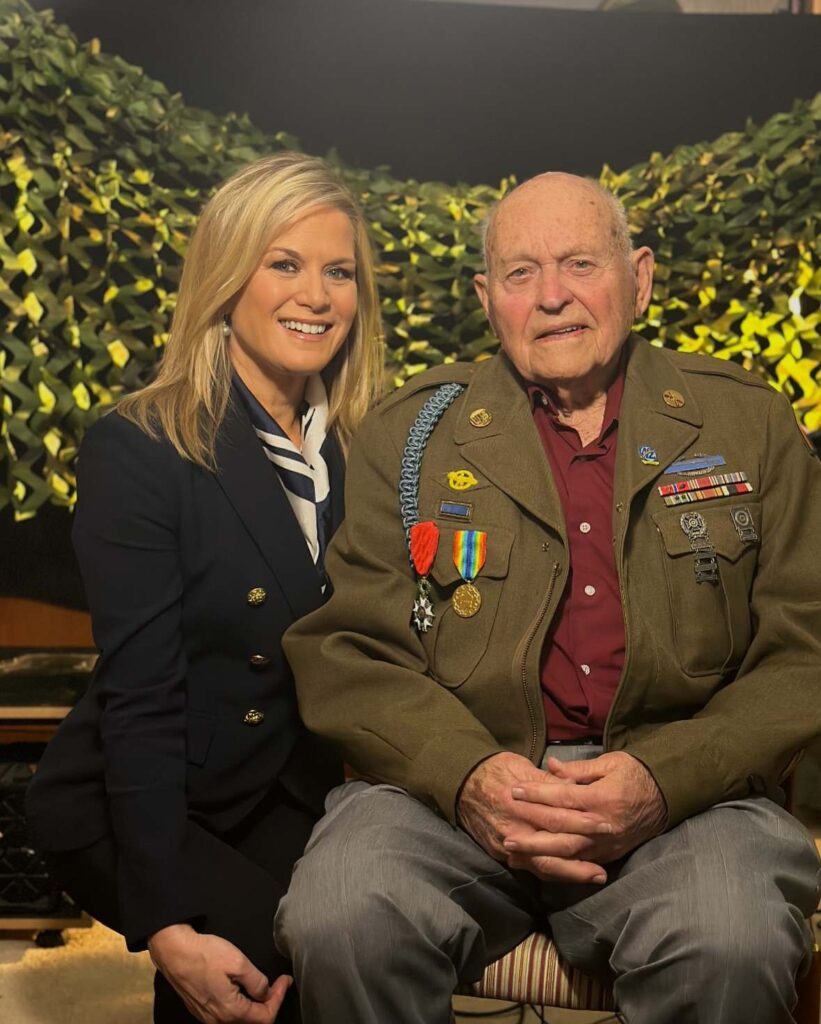
That private grief adds a deeper layer to the woman viewers see on screen. Behind the polished anchor desk is someone who has carried family loss, workplace pressure, criticism and personal pain — yet still shows up with discipline and grace.
Martha MacCallum’s story is not only about a successful television career. It is about persistence. It is about refusing to be diminished. It is about surviving stress, grief and scrutiny while continuing to do the work.
And that may be why her steady presence resonates. Because behind the calm exterior is a woman who has been tested — and who keeps moving forward. 🌹


