
 The Kansas City Chiefs’ 2026 offseason was not just about improving the offensive line to protect quarterback Patrick Mahomes, as many had anticipated—it was about providing a more holistic approach to keeping Mahomes in a position to succeed. While no offensive linemen were drafted, Brett Veach and the front office made strategic moves to insulate Mahomes by addressing key areas that would help lighten his workload and enhance the overall team balance.
A Nontraditional Approach to Protecting Mahomes
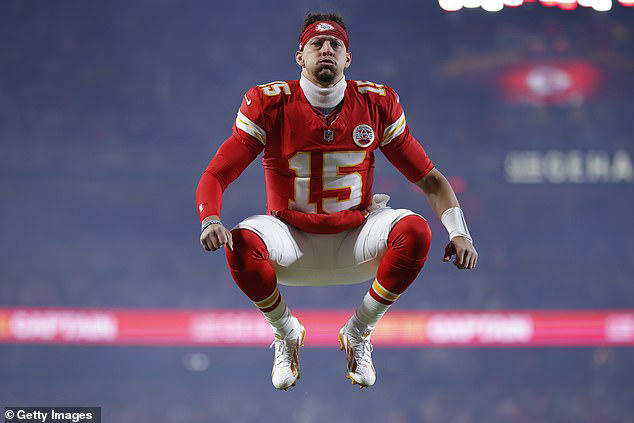
The Chiefs have worked on improving Mahomes’ environment, not just by giving him more protection up front but by providing a better supporting cast around him. Kansas City added running back Kenneth Walker III to bolster their rushing attack and brought in Chad O’Shea as a new wide receivers coach to fine-tune the route running and overall pass-catching efficiency. These adjustments are designed to ensure that Mahomes doesn’t need to carry the entire offense on his shoulders as often as he did in the previous season.
A More Balanced Offense and Improved Defense
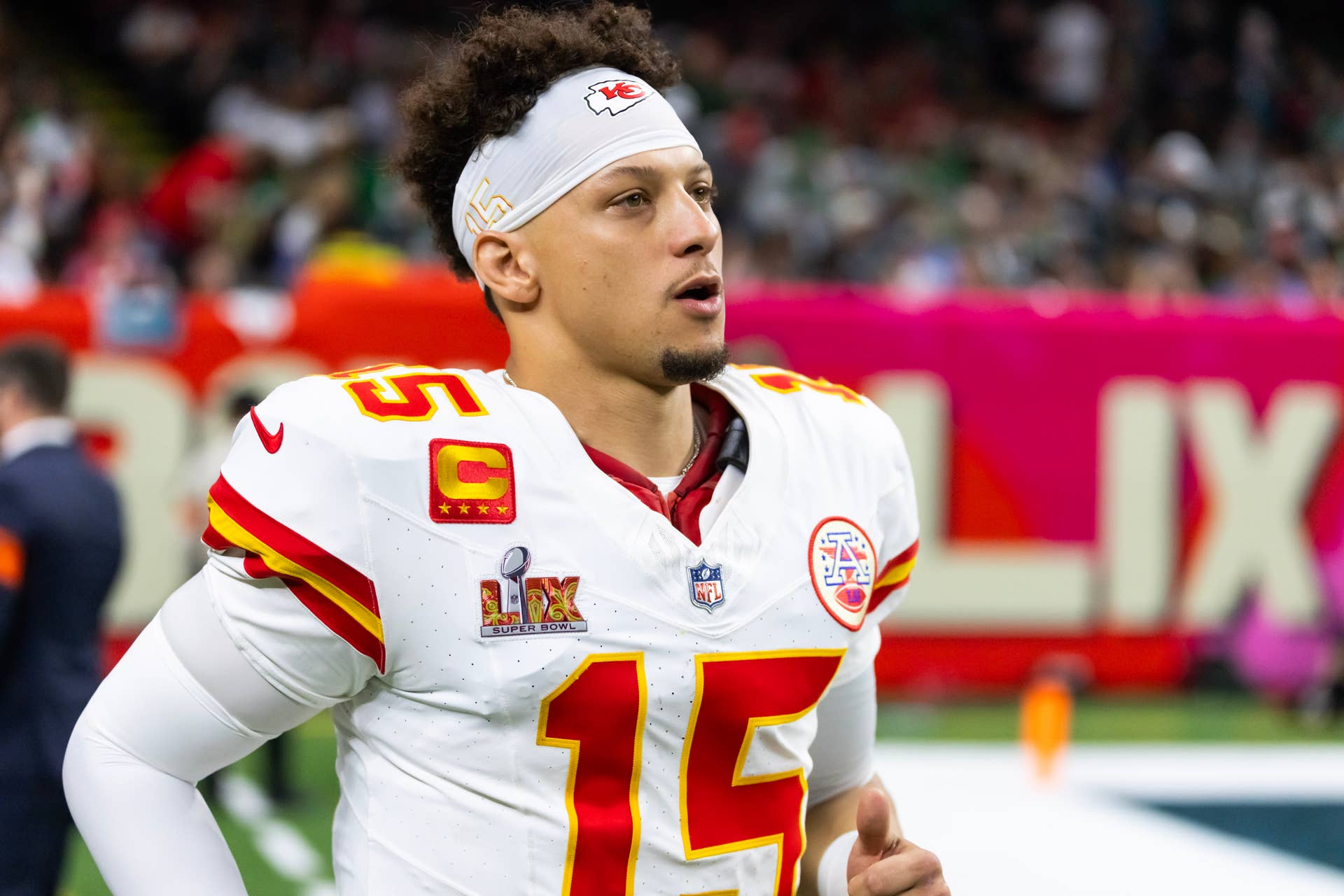 In 2025, Mahomes was often in situations where he had to take on too much of the offense, leading to more risky plays and added pressure on the offensive line. To mitigate this, the Chiefs have placed a stronger emphasis on a more balanced offense that can keep defenses honest and help sustain drives. Improved play calling, better execution from the wide receivers, and a more dynamic rushing game will reduce the chances Mahomes has to go it alone.
Beyond the offense, the Chiefs also invested in their defense to make Mahomes’ life easier. A dominant defense can keep the opposing team off the field, giving Mahomes and the offense more opportunities to score and lessening the need for him to perform under pressure. This shift in philosophy mirrors a broader understanding: The best way to protect a quarterback is not just with a solid offensive line, but by giving him a lead and asking the defense to do its part in maintaining it.
Addressing the Chiefs’ Defensive Pass Rush
The Chiefs’ defense, particularly their pass rush, became a major concern in 2025. As shown by their declining stats in key areas like sacks and pressure rate, Kansas City’s pass rush failed to generate consistent pressure on opposing quarterbacks, leading to defensive inefficiency and imbalanced time of possession. The front office responded by drafting defensive tackle Peter Woods and edge rusher R Mason Thomas in the first round.
The addition of Woods, alongside Chris Jones, aims to give the Chiefs a formidable duo up front while allowing Jones to play fewer snaps—something that could be critical as he enters his age-32 season. For Jones, who played over 80% of the defensive snaps in the first 13 games of 2025, the presence of Woods should ease his workload, ensuring that he stays fresh for the most important games of the season.
Meanwhile, Thomas offers a unique skill set that could shake up the Chiefs’ pass rush. Unlike traditional Steve Spagnuolo defensive ends, Thomas is smaller and quicker—traits that could help him become an explosive edge rusher. The Chiefs have been looking for a consistent player who can win one-on-one pass-rush opportunities, and Thomas may be the player who finally gives them that.
Changing the Pass Rush Game for Spags’ Defense
Historically, Spagnuolo’s defenses have relied on creating havoc from all areas of the field, but rarely has there been a consistent edge rusher who can dominate. The last defensive end to record double-digit sacks for the Chiefs under Spagnuolo was George Karlaftis (2023). With Thomas in the fold, the Chiefs are betting on a more specialized approach to pass rushing, one that could result in more consistent pressure on opposing quarterbacks.
The key benefit of this strategy is simple: Sacks disrupt drives and end possessions. The more the Chiefs’ defense can disrupt an offense, the more Mahomes and the offense get the ball in their hands. This in turn gives Mahomes more opportunities to make plays, and with a stronger supporting cast on offense and defense, the Chiefs can avoid putting all the pressure on their star quarterback.
Mahomes’ Protection Comes in Many Forms
Rather than doubling down on offensive line reinforcements, the Chiefs have chosen to protect Mahomes in a more strategic and comprehensive way. By balancing the offense, improving the running game, enhancing the defensive pass rush, and providing Mahomes with a strong supporting cast, the Chiefs have built a team that gives their quarterback the tools to succeed without needing to shoulder the entire load on his own.
As Kansas City’s offseason moves suggest, Mahomes’ protection comes in many forms, and this year’s strategy is designed to create a more well-rounded team capable of competing for championships. With improved defense, a better offensive supporting cast, and a more balanced approach, Mahomes will have the support he needs to thrive without having to take the weight of the game on his shoulders every single time.
The 2026 Chiefs are designed not just to protect Mahomes physically but to support him in all aspects of the game—giving him the best chance to lead the team back to the Super Bowl.


